 01
01Grain and Oilseeds
Vertical transport of grain and soybeans between intake, silos and process points. Bucket type and belt speed are chosen to limit product breakage.
Storage and Feeding SystemsIndustrial Plant Solutions
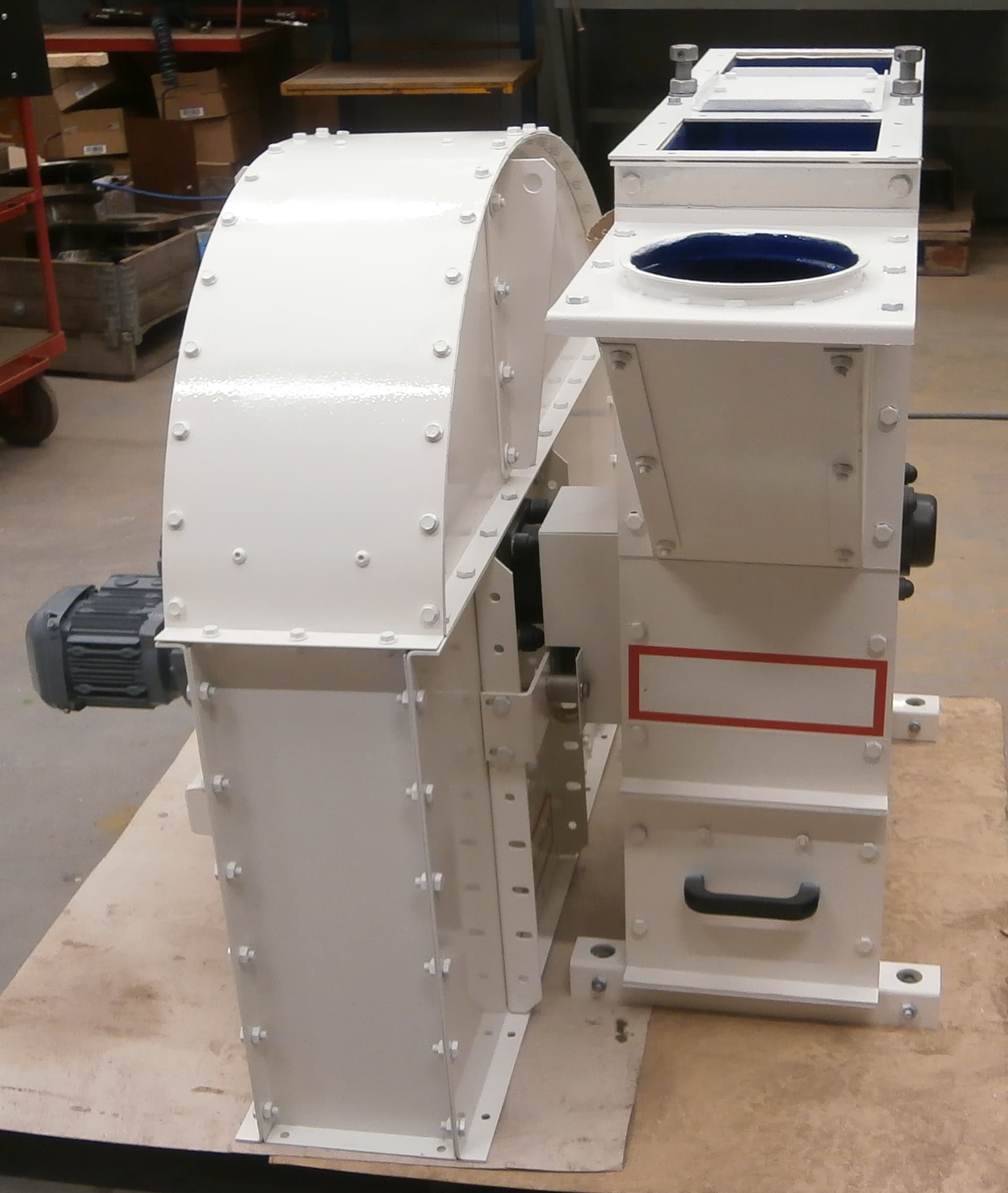
PRO MAKINA · Belt Bucket Elevator
Overview
A belt bucket elevator is vertical conveying equipment in which buckets are bolted to a belt that runs between the head drive pulley at the top and the boot pulley at the bottom. The buckets fill at the boot, carry material upwards inside an enclosed casing and discharge it at the head.
Unlike a chain elevator, motion is transmitted by friction between pulley and belt. Belt tensioning and belt tracking are therefore decisive for smooth operation; speed sensors are used to monitor slip.
Belt type, bucket material, bucket width and spacing are selected according to particle size, flowability, temperature and fragility of the product. Powders and granules such as grain, feed ingredients, granules and plastics are typical applications.
01Process Flow
The diagram shows the typical flow in which the belt bucket elevator takes product at the boot inlet and carries it to the head discharge.
Scroll horizontally to view the full diagram.
Boot feeding: Product enters the elevator through the inlet at the boot.
Bucket filling: Buckets bolted to the belt fill with product at the boot.
Lifting with the belt: The belt carries the loaded buckets upwards in the enclosed casing.
Head discharge: As the buckets turn over the head pulley, product falls into the discharge spout.
The elevator only conveys vertically; equipment before feeding and after discharge depends on the plant concept.
02Applications
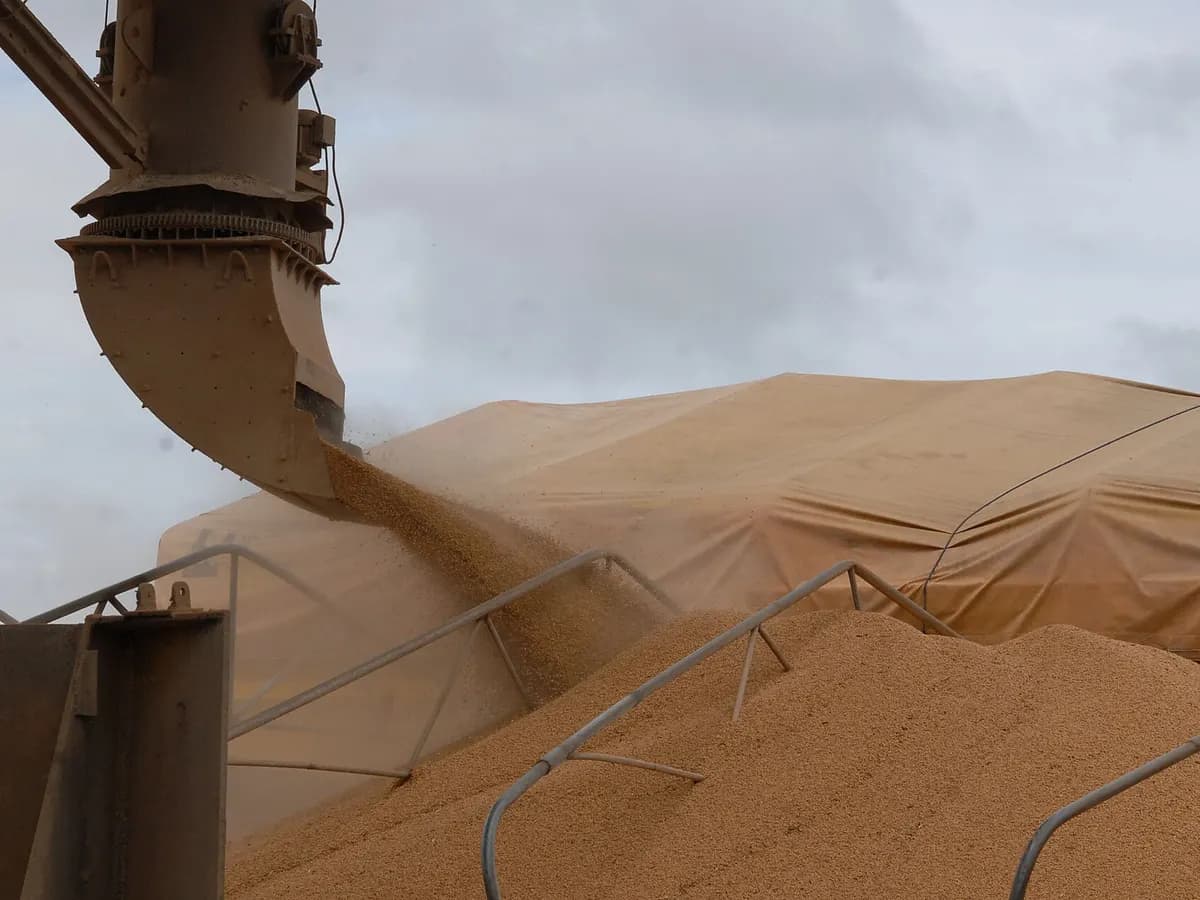
01Vertical transport of grain and soybeans between intake, silos and process points. Bucket type and belt speed are chosen to limit product breakage.
Storage and Feeding Systems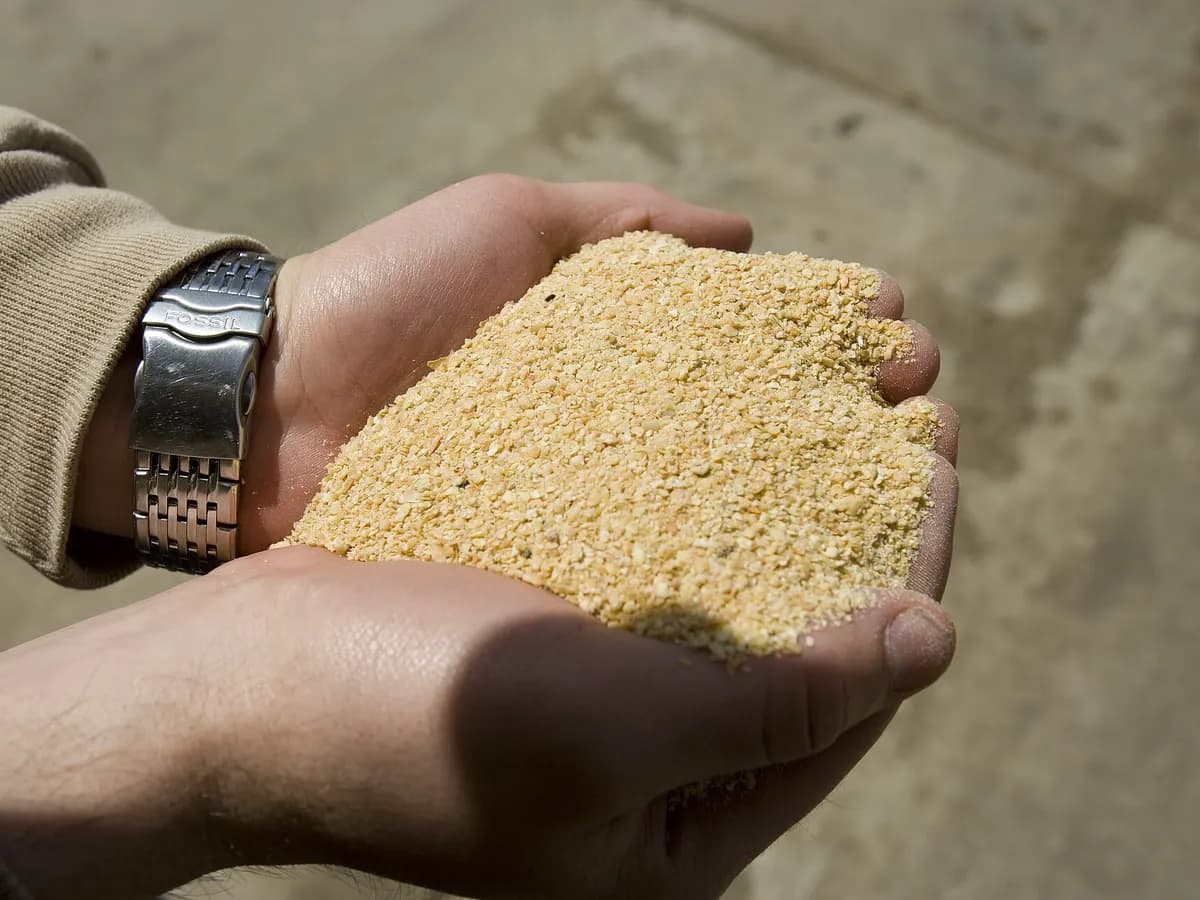 02
02Lifting meal and similar feed ingredients ahead of dosing and mixing. For dusty or moist products, inlets and discharge spouts are designed accordingly.
Dosing Systems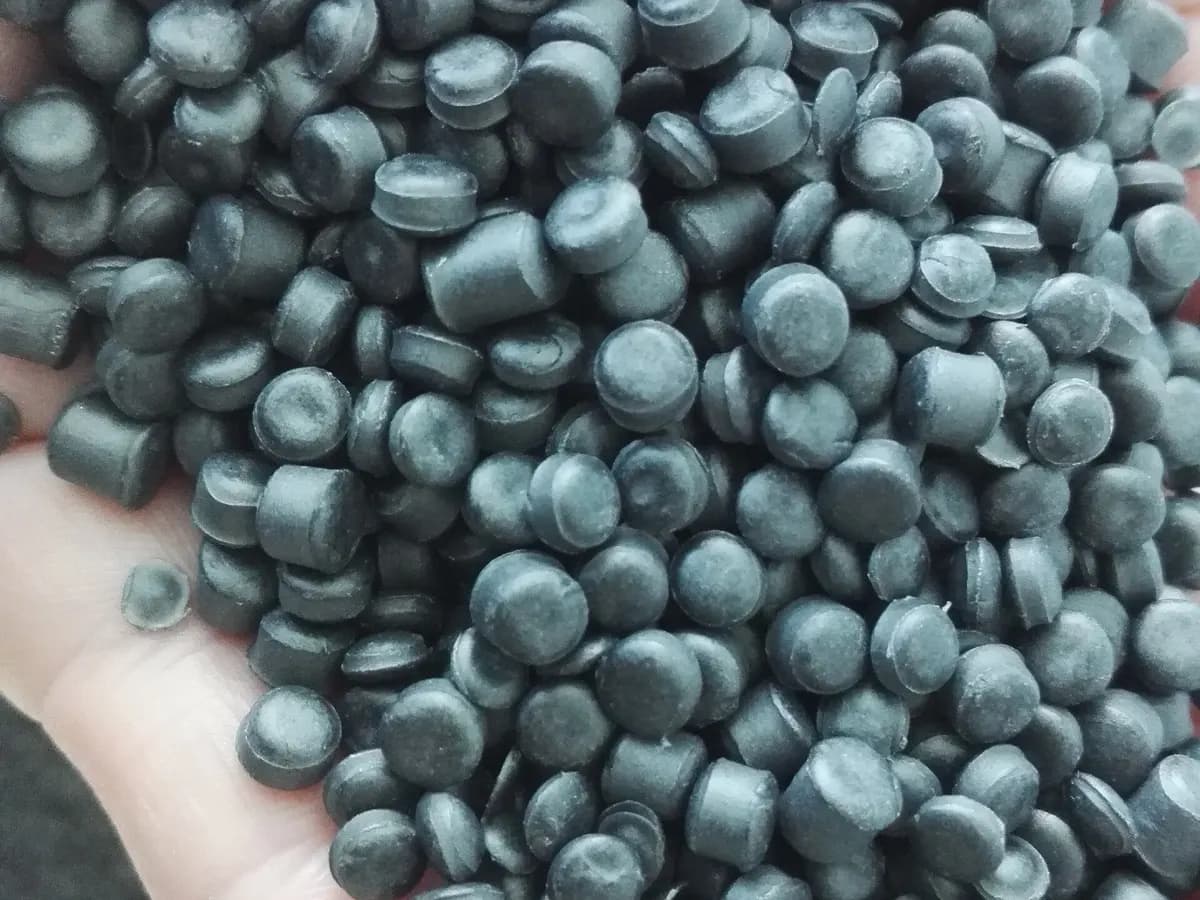 03
03Vertical transport of plastic pellets and similar free-flowing granules to silos and process inlets. Bucket and belt materials are selected for the product.
Chemical Process Industry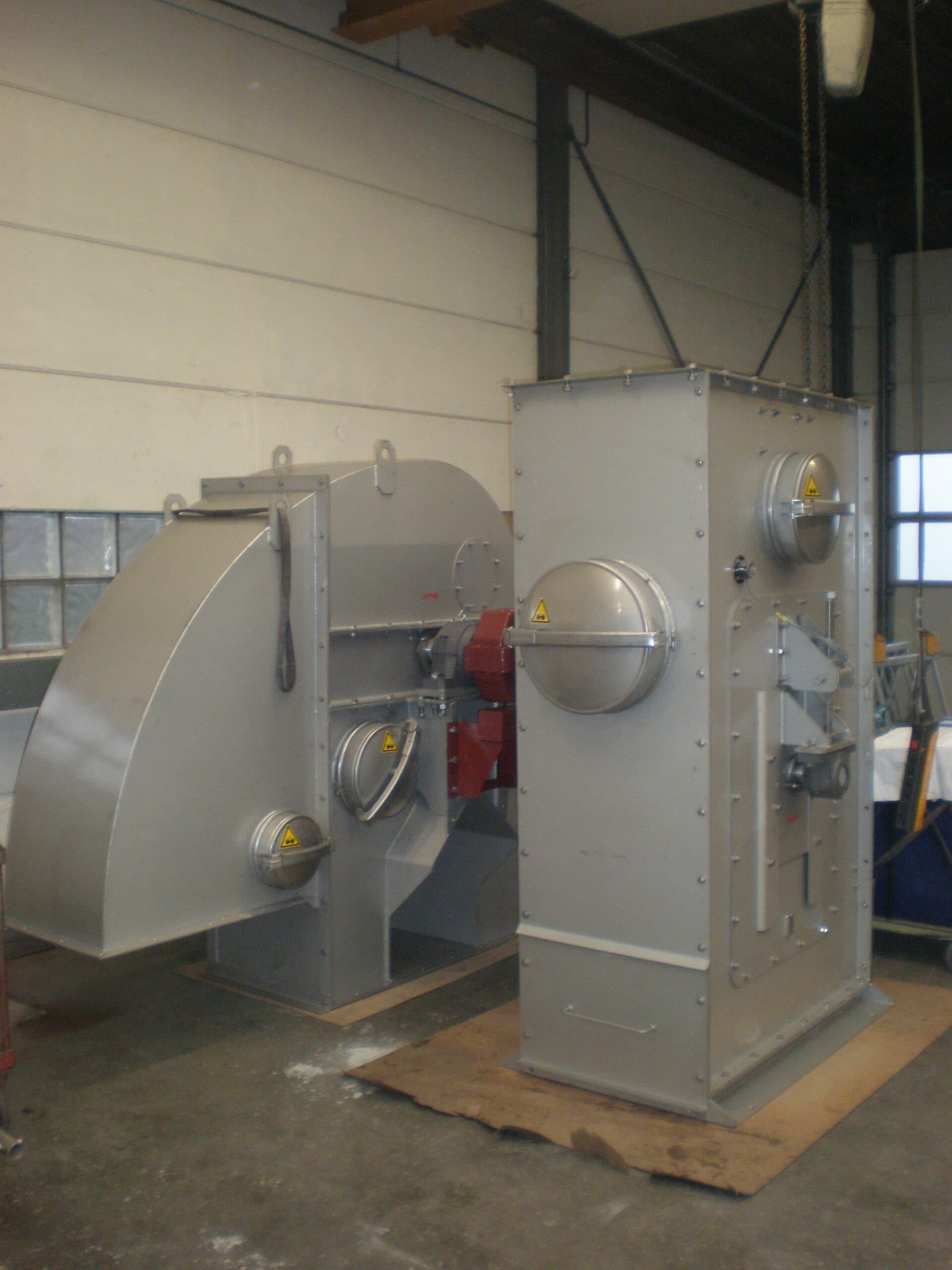
03Design & Manufacturing
PRO MAKINA engineers belt bucket elevators around capacity, lift height and product properties. Belt and buckets, head and boot pulleys, take-up and tracking, casing, inspection doors and monitoring devices are designed together.
Product
Product type, particle size, bulk density, temperature and fragility.
Capacity and Height
Hourly capacity and lift height between inlet and discharge.
Belt and Bucket
Belt type, bucket material, bucket width and spacing.
Pulleys and Take-up
Head and boot pulleys, take-up and tracking arrangement.
Monitoring and Maintenance
Speed and misalignment sensors, inspection doors and access.
Belt speed, bucket size and drive power are calculated from project data; no generic values are stated on this page.
04Gallery
05FAQ
On a belt elevator the buckets are bolted to a belt and motion is transmitted by friction between pulley and belt. On a chain elevator the buckets are fixed to a chain driven by a sprocket. The belt design is widely used for powders and granules.
Correct belt tension, a suitable pulley surface and keeping the feed rate in line with capacity help prevent slip. A speed sensor is used to monitor it.
Bucket type, material and spacing are selected according to particle size, flowability, temperature, capacity and the discharge arrangement.
For fragile products, belt speed, bucket type and feeding and discharge arrangement are chosen to limit damage; suitability is assessed per product.
Product type, particle size, bulk density, product temperature, hourly capacity and the lift height between inlet and discharge.
06Resources
Technical Quotation
Share your product, capacity and lift height, and we will define the belt bucket elevator and its connections together with you.
This site uses cookies required to run the website securely and correctly. With your consent, additional cookies may be used for performance measurement, user experience and marketing. For details see the Cookie Policy and Privacy Policy pages.