 01
Urea and Nitrogen Fertilizer Coating
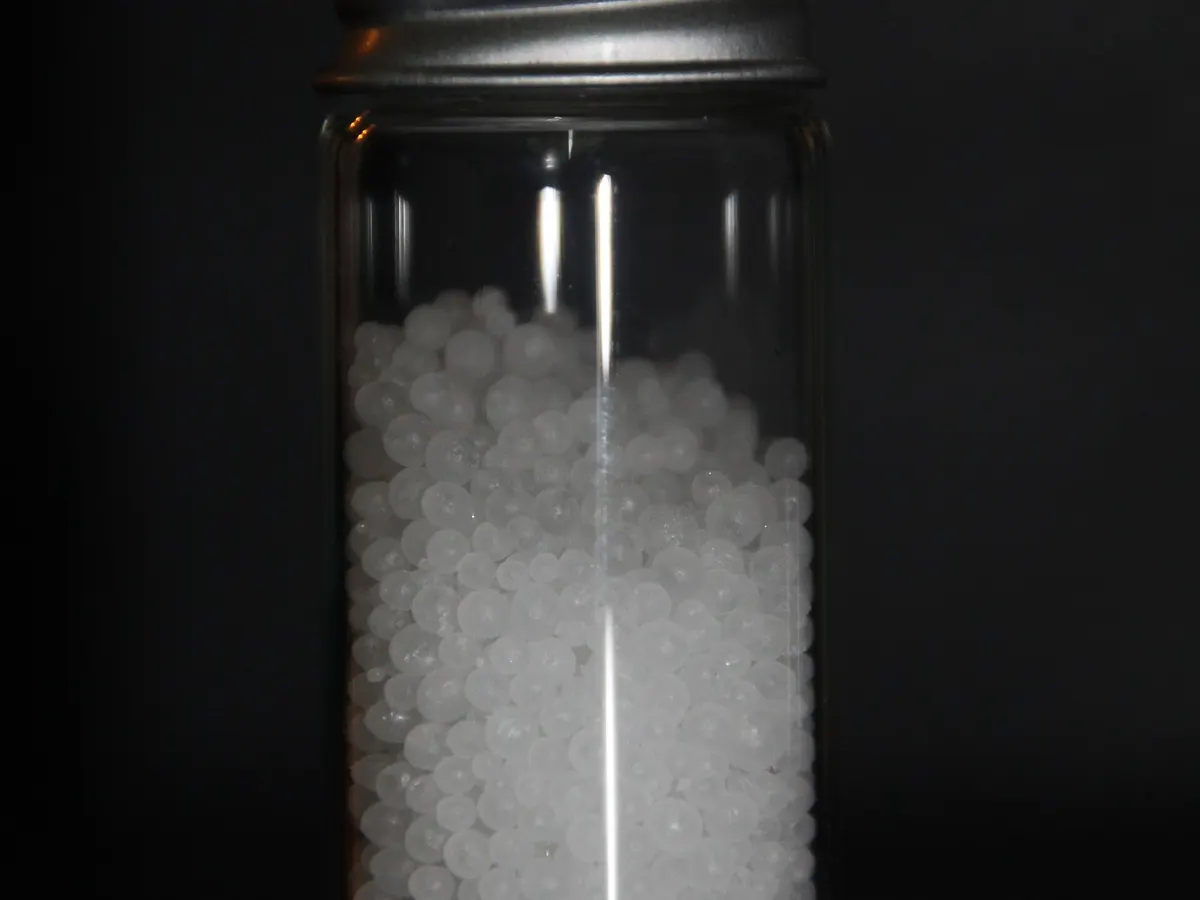
Surface coating of urea and nitrogen granules to reduce dust and caking during storage. The additive rate is set according to the product and climate conditions.
Fertilizer PlantsIndustrial Plant Solutions
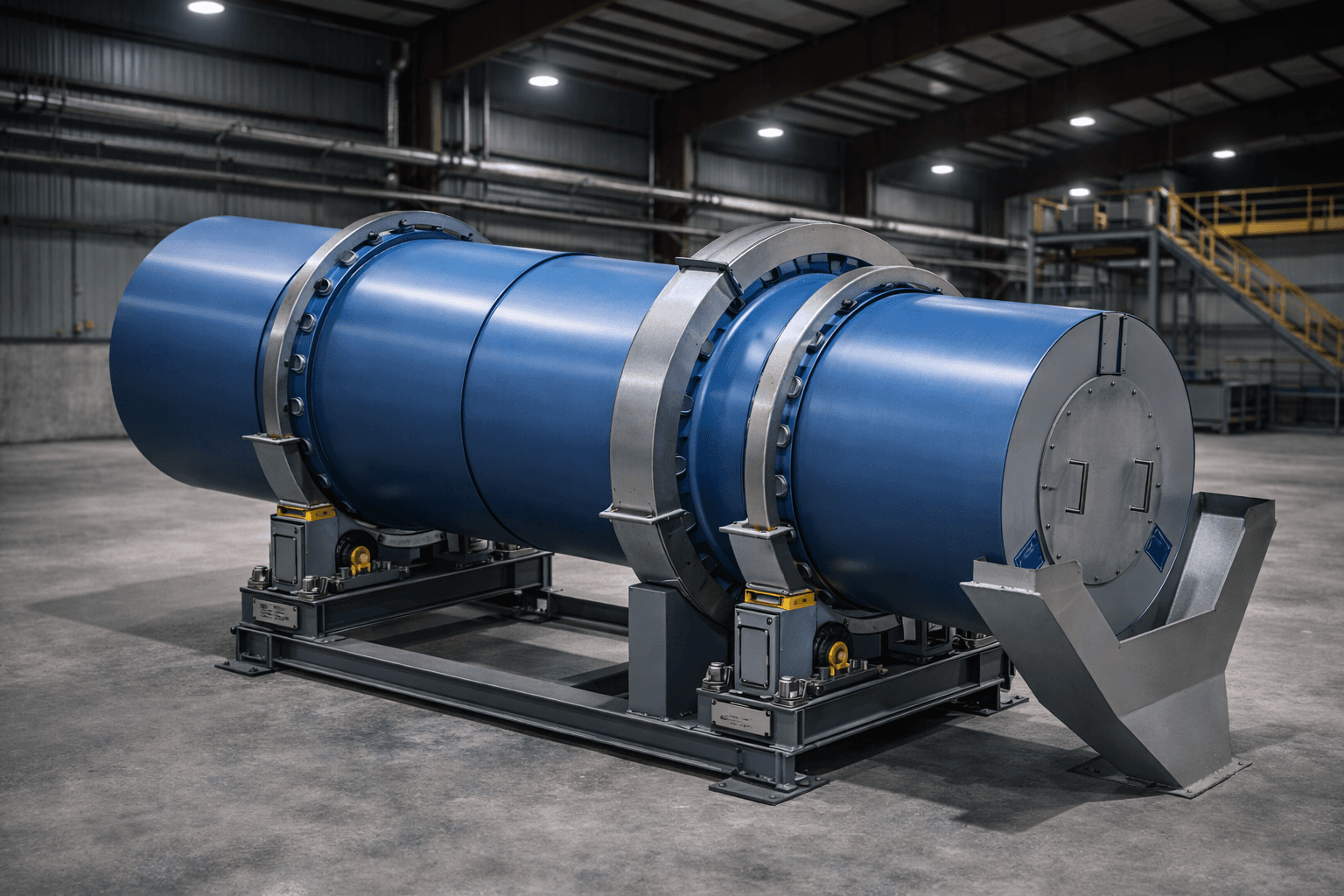
PRO MAKINA · Rotary Coating Drum
Overview
A coating drum is rotary process equipment in which granular product is turned continuously while a liquid coating agent or powder additive is applied to its surface. The aim is not to change granule size but to cover the surface as evenly as possible.
Coating distribution is determined by the number and position of nozzles, spray angle, metering of the additive in proportion to product rate, drum speed and the rolling behaviour of the product. Viscosity and temperature of liquids, and flowability of powders, are part of the design.
Coating is usually carried out after cooling and screening and before packing. The drum is engineered together with the additive preparation and metering unit, product feeding and the packing line.
01Process Flow
The diagram shows the typical position of the coating drum after cooling and screening, and the additive metering line.
Scroll horizontally to view the full diagram.
Screened product inlet: Cooled and screened granules are fed steadily to the drum.
Additive application: Nozzles apply liquid additive, or a feeder applies powder, onto the bed.
Even distribution: Granules rolling with the drum spread the additive over their surface.
Coated product discharge: Product is sent to packing or storage.
Additive preparation: Liquid additive is kept at the required temperature in a tank; powder waits in a hopper.
Ratio metering: A pump or feeder delivers the additive in proportion to the product rate.
Screening before coating reduces the amount of coating agent consumed by fines and limits lump formation.
02Applications
01Surface coating of urea and nitrogen granules to reduce dust and caking during storage. The additive rate is set according to the product and climate conditions.
Fertilizer Plants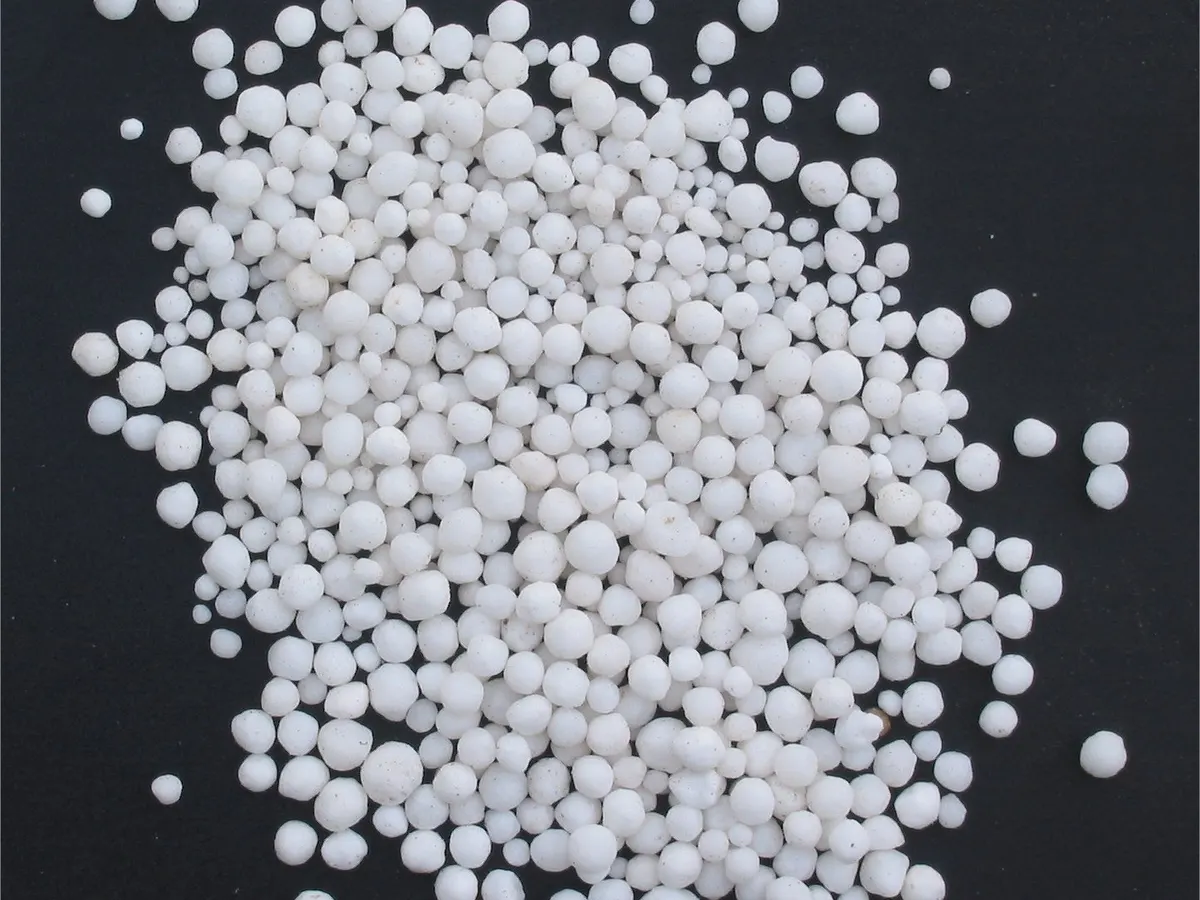 02
Coating nitrate and compound granules after cooling. Since product temperature affects how well the coating agent adheres, the coater is assessed together with the cooler.
Rotary Cooler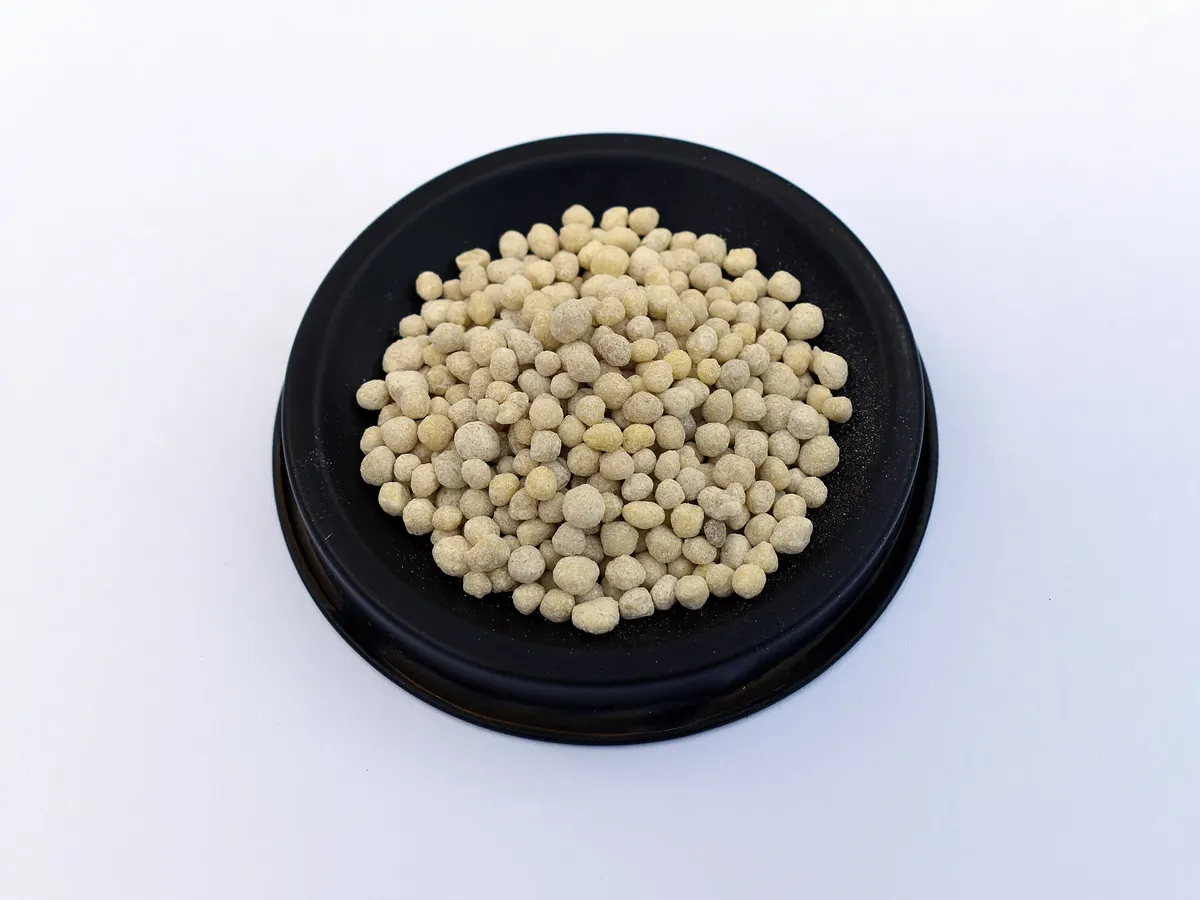 03
Applying powder or liquid additives to DAP and similar phosphate granules and to chemical granules. Internal surface and cleaning access suited to the additive are part of the design.
Chemical Process Industry03Design & Manufacturing
PRO MAKINA engineers coating drums around product rate, granule size, additive type and application rate. The drum shell, internal surface, nozzle line, additive preparation and metering unit are designed together so that they match the product flow in the line.
Product Data
Granule type, size range, bulk density and product temperature.
Additive Data
Liquid or powder, viscosity, preparation temperature and application rate.
Capacity
Hourly product rate and operating regime.
Line Integration
Connections to cooling, screening, packing and the additive tank.
The application temperature and rate recommended by the additive supplier are the basis for selecting the metering unit and nozzles.
04FAQ
Liquid coating agents (e.g. coating oils) are applied through nozzles and powder additives through a feeder. The additive type determines the metering unit and internal surface.
The purpose of a coating drum is not to grow granules but to apply an additive to the existing granule surface. Granule formation takes place in the drum granulator.
Nozzle layout, spray angle, metering in proportion to product rate, drum speed, filling level and the rolling behaviour of the product all act together.
Product temperature affects how the coating agent adheres and behaves. Coating is therefore usually carried out after the product has been cooled and screened.
Product type and rate, granule size, additive type and the application rate recommended by its supplier, product temperature and the existing line connections.
05Resources
Technical Quotation
Share your product, additive type and application rate, and we will define the coating drum, nozzle line and metering unit together with you.
This site uses cookies required to run the website securely and correctly. With your consent, additional cookies may be used for performance measurement, user experience and marketing. For details see the Cookie Policy and Privacy Policy pages.