 01
01Bulk-Blend Fertilizer
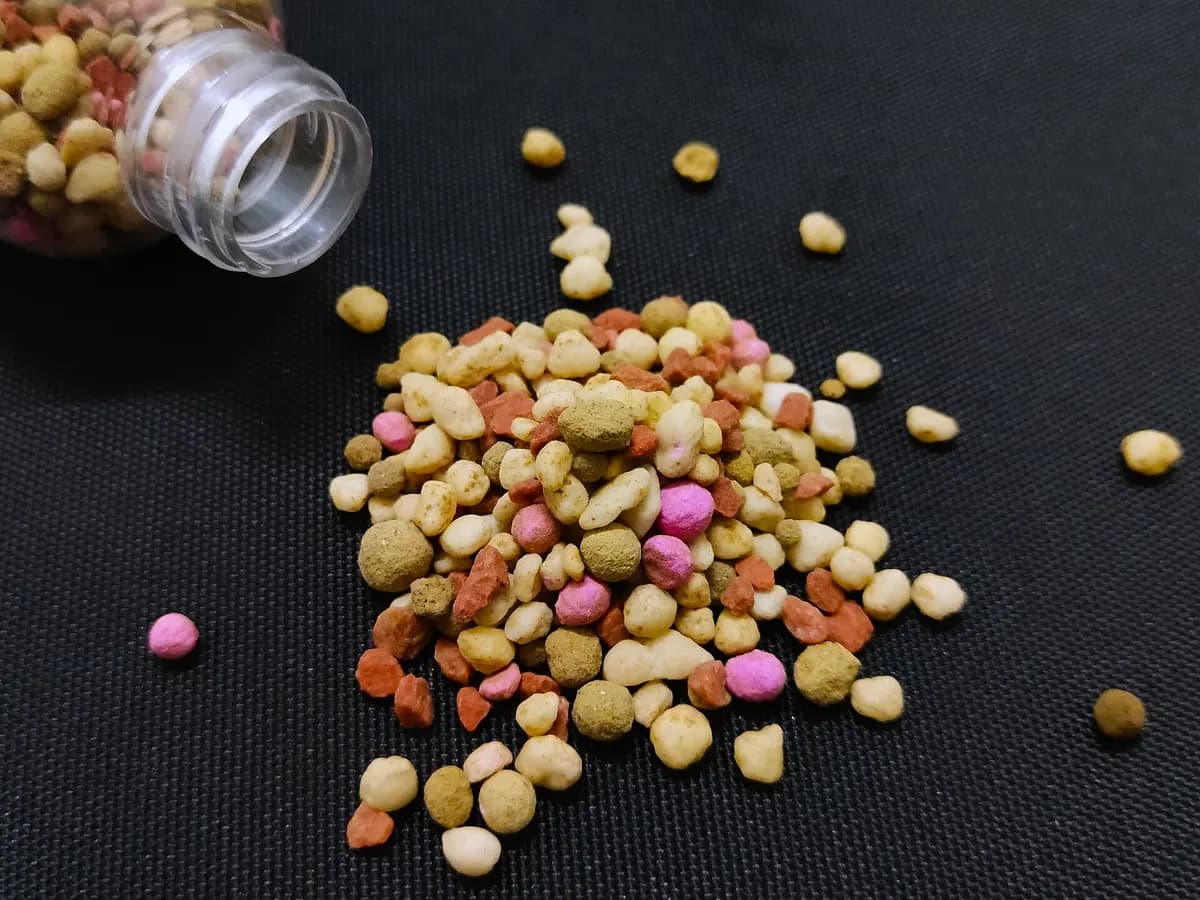
Producing bulk-blend fertilizer by mixing straight granules such as urea, phosphate and potash according to the recipe. Matching particle sizes is important to limit segregation.
Fertilizer PlantsIndustrial Plant Solutions
PRO MAKINA · Rotary Drum Mixer
Overview
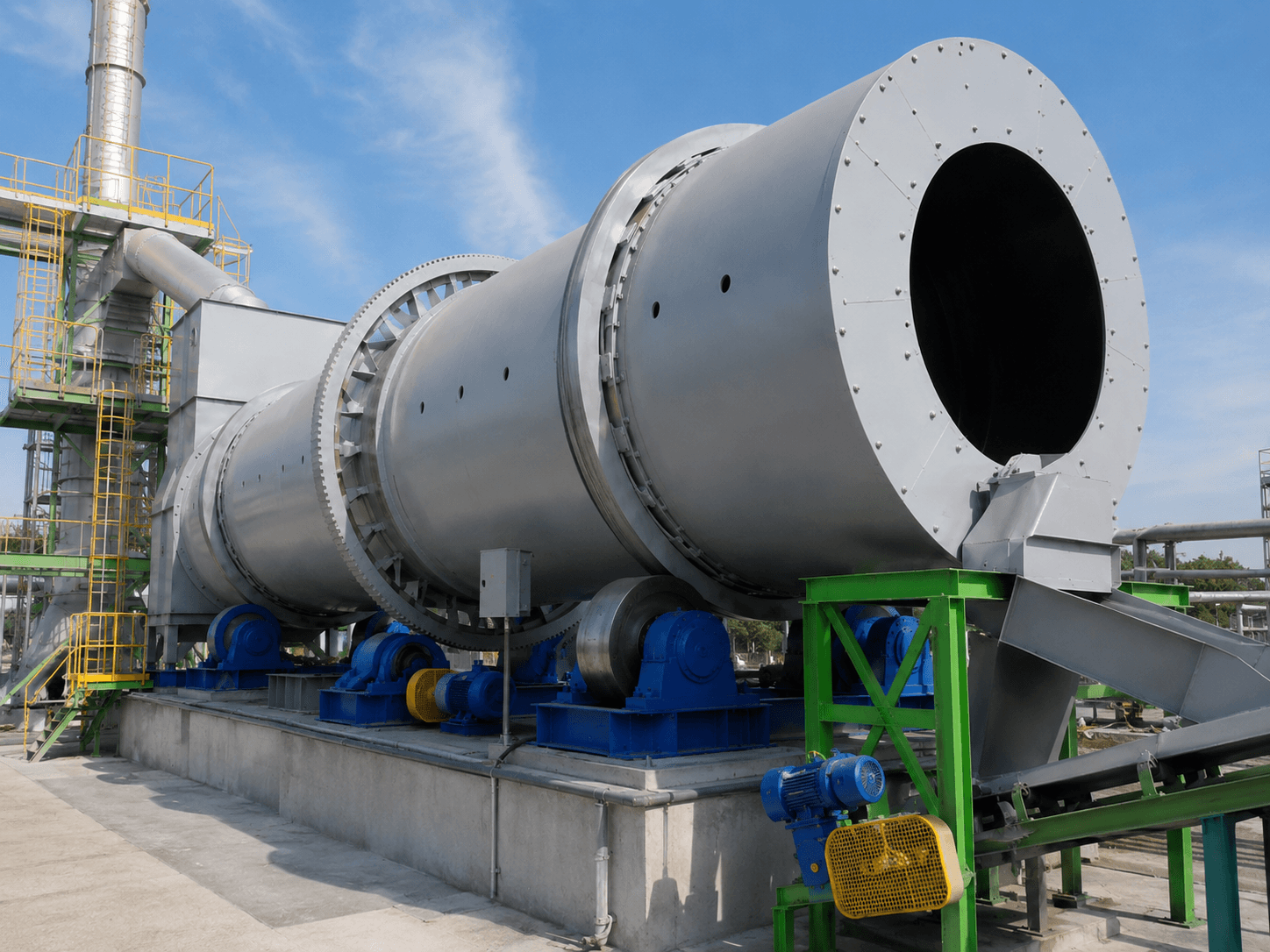
A mixing drum is rotary process equipment in which different components are tumbled and guided by internal elements until a homogeneous mix is obtained. The slow, even motion of the drum blends the material while preserving the grain structure of granular products.
Mix quality depends on the particle size and density differences of the components, accuracy of feed ratios, drum filling, speed and residence time. For components of very different particle sizes, the risk of segregation is assessed separately in the design.
A mixing drum does not form granules, dry or coat the product; it only produces a blend. The drum is therefore engineered together with the dosing system that feeds the components in the correct ratio and the downstream equipment that conveys the blend without separating it.
01Process Flow
The diagram shows the position of the mixing drum in a typical blending line. The drum only mixes; it has no granulation, drying or coating function.
Scroll horizontally to view the full diagram.
Component dosing: Each component is weighed and fed to the drum in the recipe ratio.
Tumbling and mixing: Drum rotation and internals distribute the components into one another.
Residence time control: Speed, slope or batch time is set for the target homogeneity.
Blend discharge: The blend goes to packing or process via transfer that limits segregation.
In batch operation each weighed batch is loaded, mixed for a set time and discharged; in continuous operation components are fed in proportion to the flow rate.
02Applications
01Producing bulk-blend fertilizer by mixing straight granules such as urea, phosphate and potash according to the recipe. Matching particle sizes is important to limit segregation.
Fertilizer Plants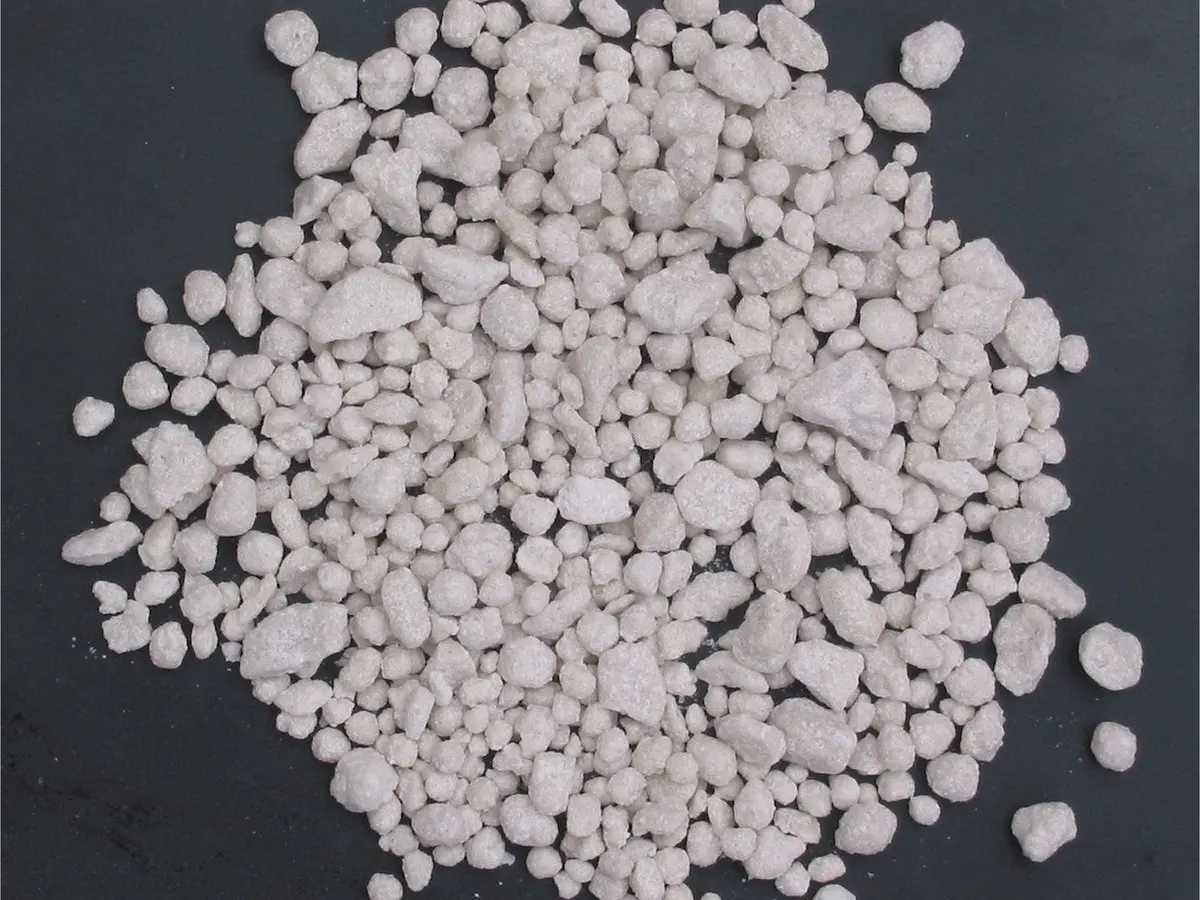 02
02Mixing mineral salts, additives and chemical powders in defined ratios. For components with large density differences, filling and speed are assessed separately.
Chemical Process Industry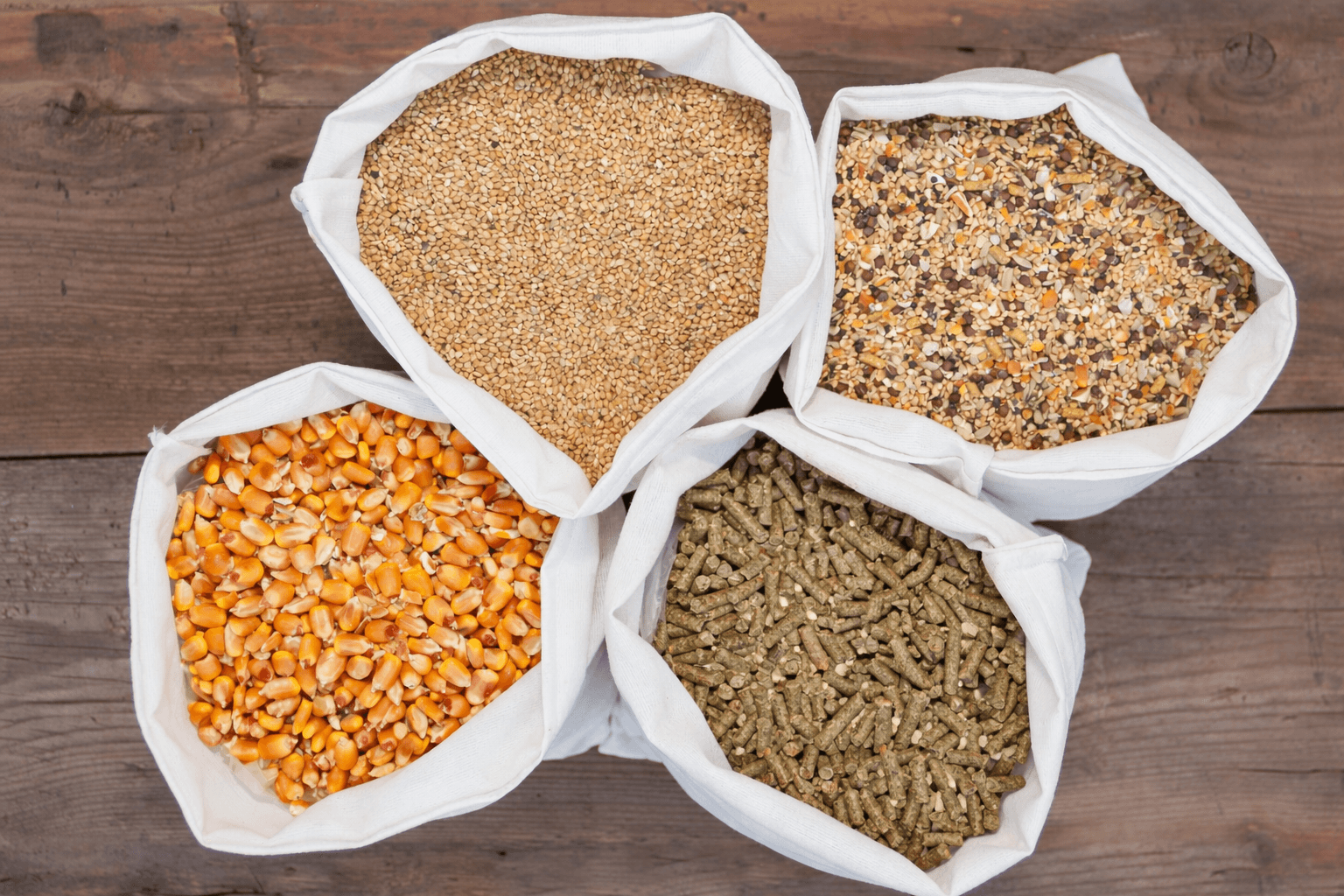 03
03Blending bulk raw materials in different forms such as grain, pellets and powder for the next process. Weighed dosing of the components is essential for a good result.
Dosing Systems03Design & Manufacturing
PRO MAKINA engineers mixing drums around the number and ratio of components, particle size and density differences, capacity and operating regime. The drum shell, internal guiding elements, feeding and discharge connections and drive are designed together with the dosing line.
Component Data
Number of components, ratios, particle sizes and densities.
Capacity and Regime
Hourly capacity or batch volume, continuous or batch operation.
Product Behaviour
Moisture, stickiness, friability and dust formation.
Line Integration
Hoppers, dosing system, transfer and packing connections.
The acceptance criterion for the blend (sampling method and tolerance) should be defined at the start; achievable homogeneity depends on the components and dosing accuracy.
04FAQ
No. A mixing drum blends existing components; a drum granulator working with a liquid binder is used to form granules from powder.
In batch mode each weighed batch is mixed for a set time and discharged. In continuous mode components are fed in proportion to flow rate and the blend moves along the drum to the outlet.
Matched particle sizes, suitable filling and speed, controlled discharge and limited drop heights at transfer points all help reduce segregation.
Yes, moist products can be mixed, but stickiness affects the choice of internals and cleaning access. If product behaviour is uncertain, sample work is recommended.
Component list and ratios, particle sizes, capacity or batch volume, operating regime, moisture and stickiness of the product and the existing dosing and packing equipment.
05Resources
Technical Quotation
Share your components, recipe ratios and capacity, and we will define the mixing drum and dosing line together with you.
This site uses cookies required to run the website securely and correctly. With your consent, additional cookies may be used for performance measurement, user experience and marketing. For details see the Cookie Policy and Privacy Policy pages.