 01
Continuous Feeding Ahead of Granulators
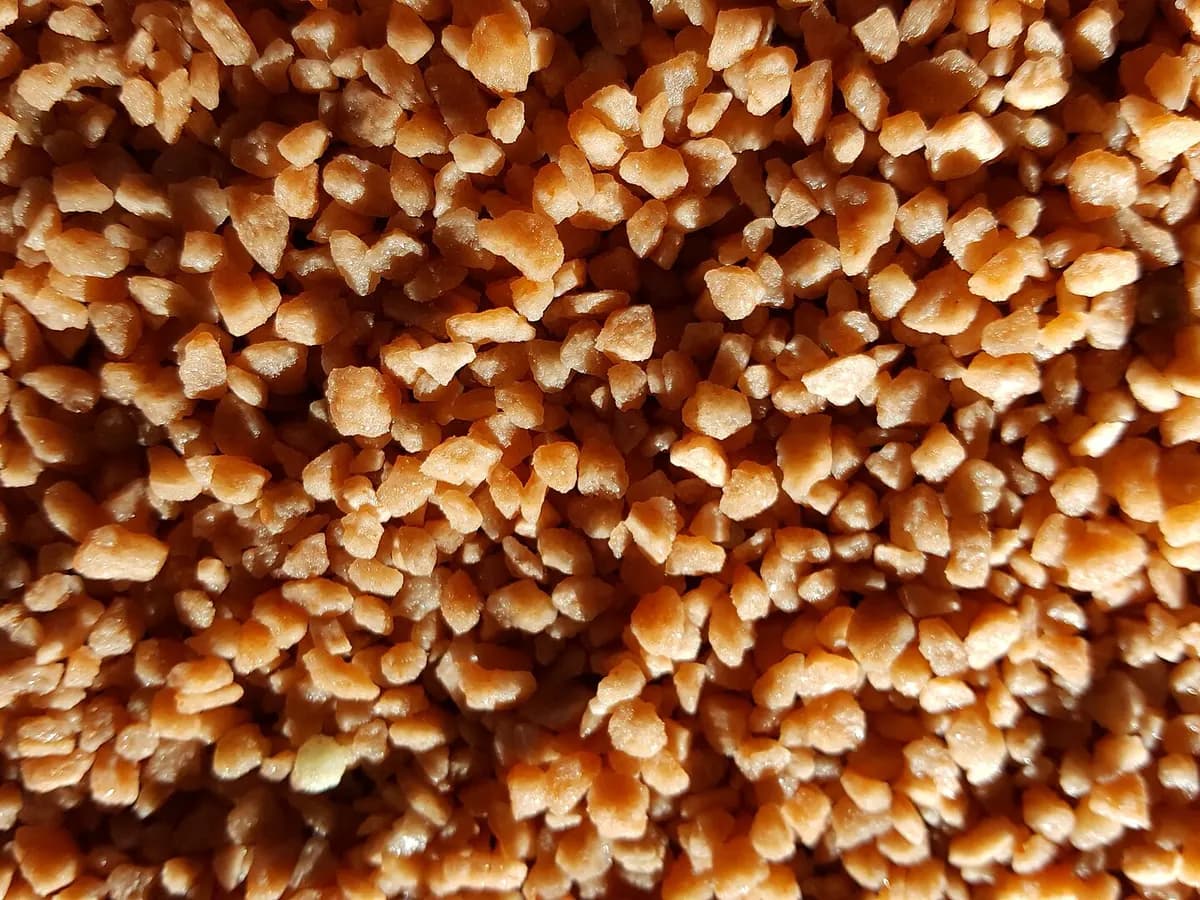
Feeding fertilizer raw materials continuously to the granulator at recipe ratio. A separate weigh belt feeder per raw material keeps the ratios through the flow rates.
Granulator DrumIndustrial Plant Solutions
PRO MAKINA · Weigh Belt Feeder
Overview
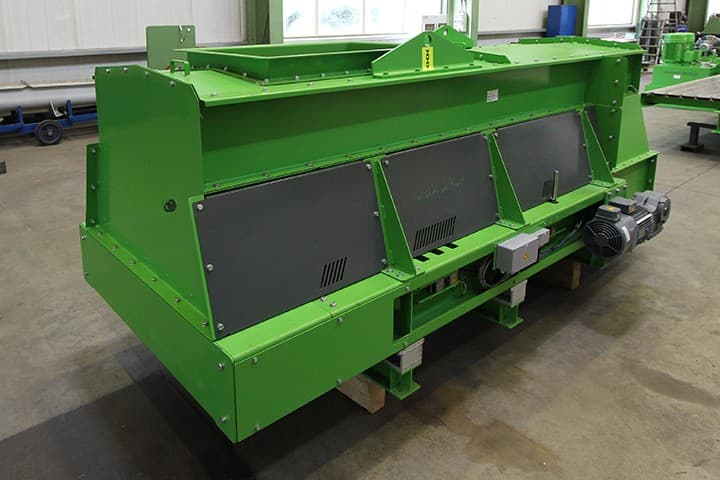
A weigh belt feeder is a gravimetric belt feeder that weighs bulk product taken from a hopper while carrying it on a short belt and delivers it to the next process at a set rate. Unlike micro and macro dosing it does not weigh in batches; it feeds a granulator, mixer or process line continuously.
The weighing section of the belt rests on a weigh bridge on load cells, which measures the product load on the belt. Belt speed is measured by a speed sensor. The controller multiplies load by speed to calculate the instantaneous flow rate, compares it with the set point and adjusts the belt speed through the inverter. Even when the product flow changes, the rate is brought back towards the set point.
The enclosed casing limits dust leakage with dusty products; the hopper outlet is arranged to form a stable product bed on the belt. Totalised tonnage and flow rate are transferred to the PLC or SCADA.
01Process Flow
The diagram shows product taken from the feed hopper onto the belt, the flow rate calculated from weighing and speed measurement, the belt speed adjusted and the product fed continuously to the next process. Feed hopper and granulator are separate equipment.
Scroll horizontally to view the full diagram.
Hopper inlet: Product is taken onto the belt from the feed hopper outlet.
Belt transport: The belt carries the product over the weighing section.
Weighing and speed: Load cells measure belt load; the speed sensor measures belt speed.
Continuous feeding: Product is fed at the set rate to a granulator, mixer or process line.
Instantaneous rate: Mass flow rate is calculated from belt load and belt speed.
Set point comparison: The calculated rate is compared with the set point.
Speed adjustment: The inverter raises or lowers belt speed to bring the rate to the set point.
Measurement stability depends on an even product bed on the belt, belt cleanliness and maintenance of the weigh bridge.
02Applications
01Feeding fertilizer raw materials continuously to the granulator at recipe ratio. A separate weigh belt feeder per raw material keeps the ratios through the flow rates.
Granulator Drum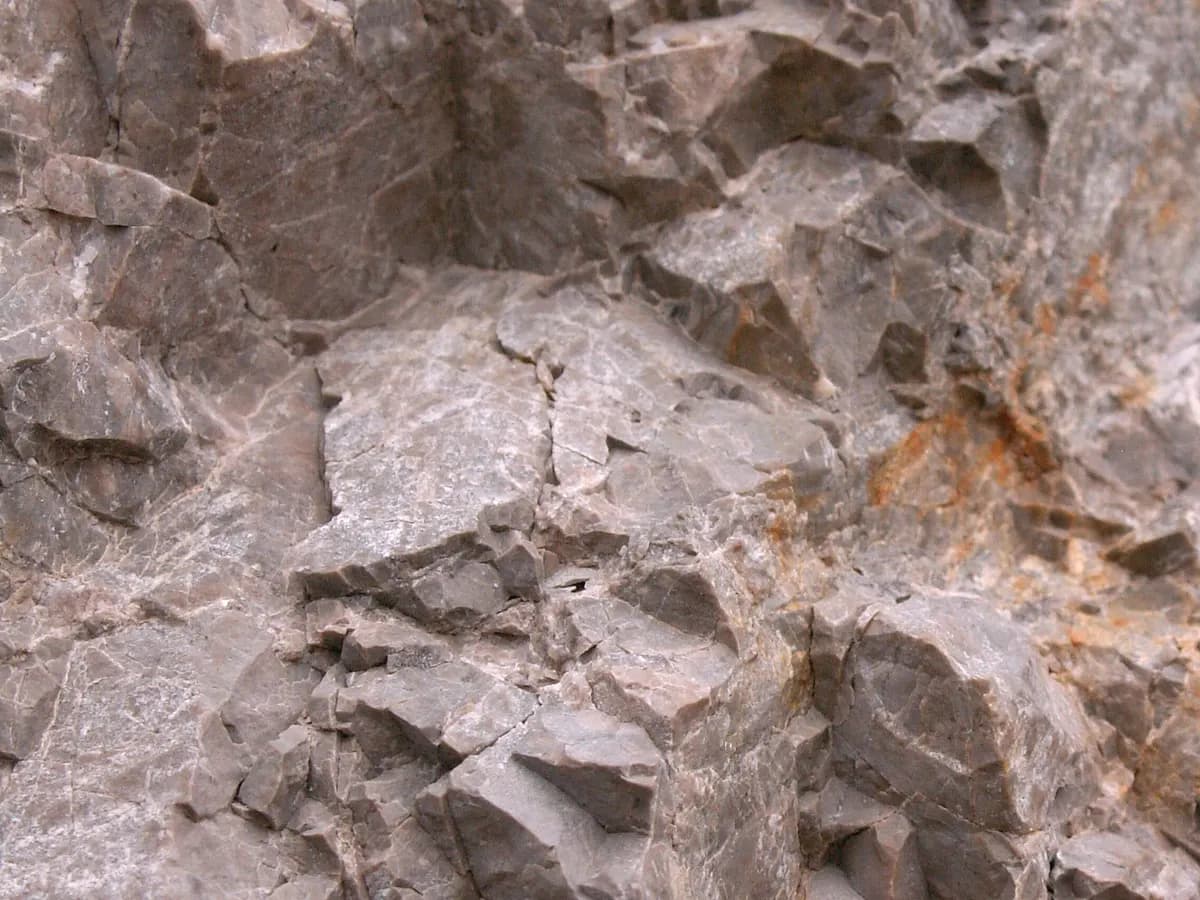 02
Rate-controlled feeding of minerals and crushed materials to the process line. For abrasive products, belt and skirt sealing are selected accordingly.
Mining and Mineral Processing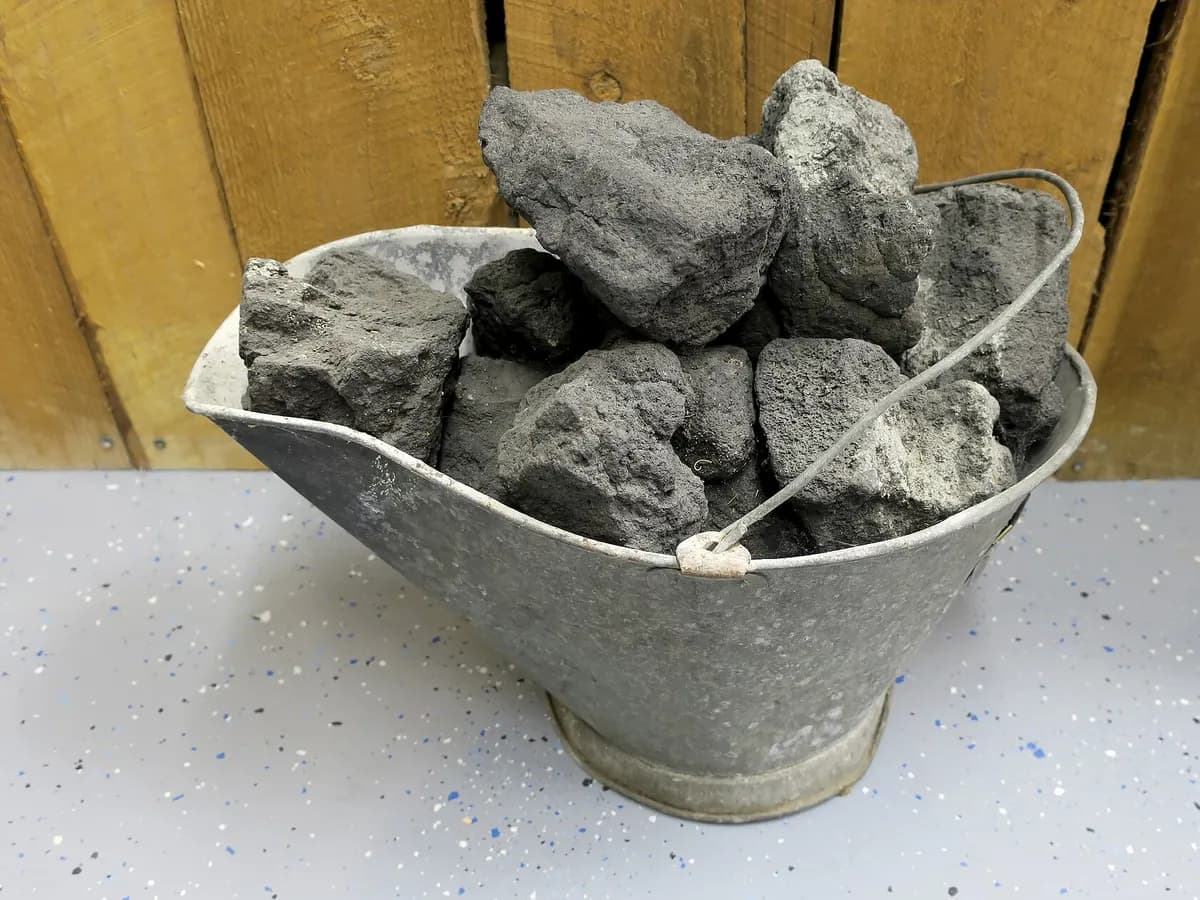 03
Feeding product at a controlled rate at the head of belt conveyor lines. The transport conveyor is separate equipment; the weigh belt feeder sets the rate.
Belt Conveyor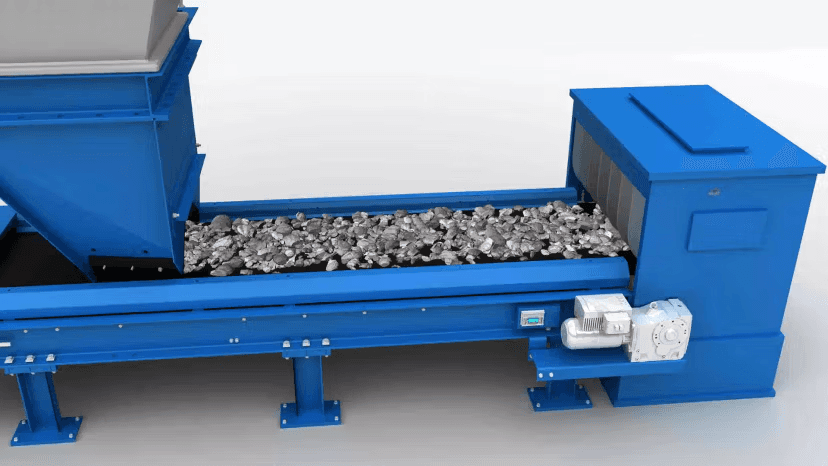
03Design & Manufacturing
PRO MAKINA engineers weigh belt feeders around the product, required flow rate range, feed hopper and downstream process connection. Belt width and speed range, weigh bridge and load-cell arrangement, speed sensor and control are selected together.
Product
Product type, particle size, bulk density, flowability and moisture.
Rate Range
Minimum and maximum set rate and recipe ratios.
Belt and Speed
Belt width, belt speed range and product load on the belt.
Weighing and Measurement
Weigh bridge, load-cell arrangement and speed sensor.
Control and Connection
PLC/SCADA, totalised tonnage, feed hopper and downstream equipment.
Rate range, accuracy, belt width and speed are defined from product and process data; no generic values are stated on this page.
04FAQ
A gravimetric belt feeder that weighs product while carrying it on the belt, calculates the instantaneous rate and continuously feeds the product at the set rate by adjusting belt speed.
A belt scale measures the flow rate on a conveyor but does not change it. A weigh belt feeder controls the measured rate through belt speed and holds it at the set point.
Load cells measure the belt load over the weighing section and a speed sensor measures belt speed. The controller calculates the mass flow rate from these two values and totalises the tonnage.
Micro and macro dosing weigh components in batches in a weigh hopper. A weigh belt feeder measures and controls the rate in continuous flow.
Product type and bulk density, particle size, required rate range, feed hopper, downstream equipment and automation details.
05Resources
Technical Quotation
Share your product, rate range and the process to be fed, and we will define the weigh belt feeder together with you.
This site uses cookies required to run the website securely and correctly. With your consent, additional cookies may be used for performance measurement, user experience and marketing. For details see the Cookie Policy and Privacy Policy pages.