 01
01Micro Element Additives in Fertilizer
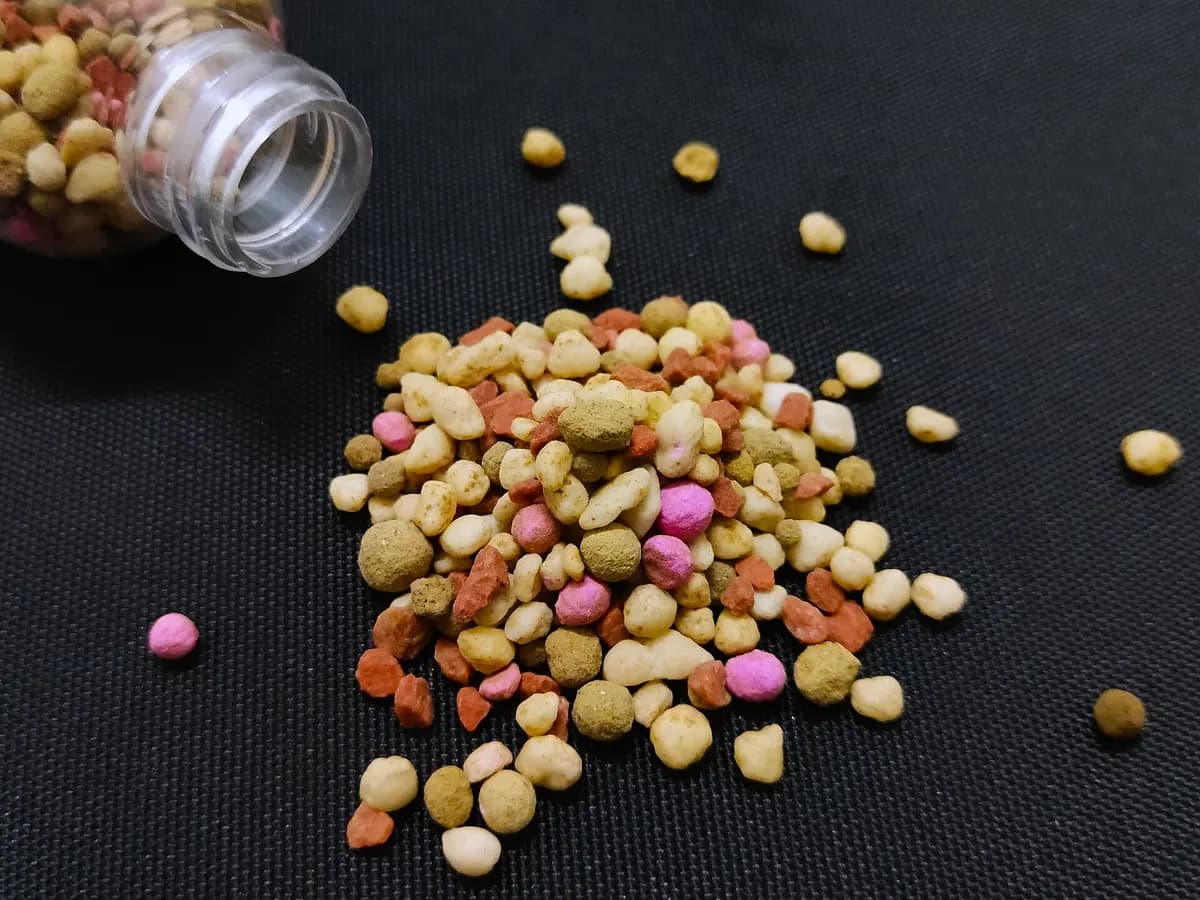
Weighing micro elements and additives used at low ratios in fertilizer recipes separately before adding them to the blend.
Fertilizer and Granulation PlantsIndustrial Plant Solutions
PRO MAKINA · Micro Dosing
Overview
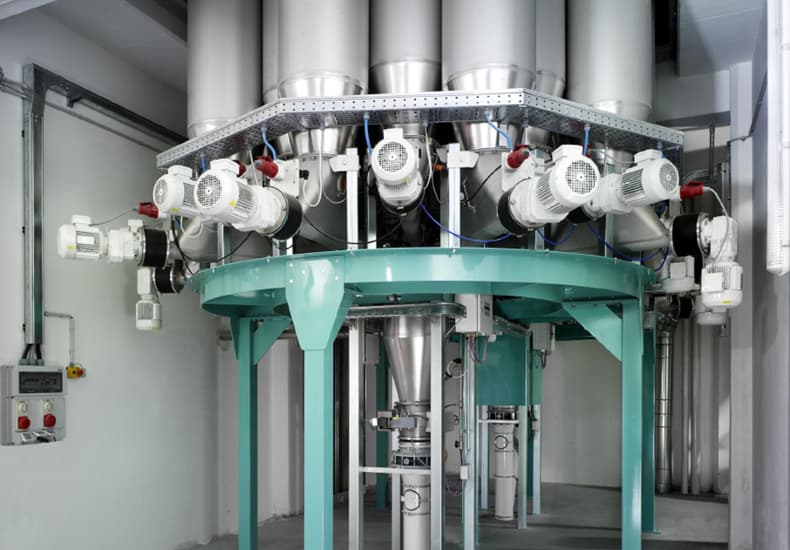
Micro dosing weighs additives, micro elements and premix components used at low ratios in a recipe and delivers them to the process on a weight basis. If these components were weighed on the main ingredient scale, small amounts would be lost in the scale's measuring range; a separate, smaller weighing system is therefore used.
Each component is held in its own bin. Following the recipe sequence, the dosing screw below the relevant bin runs and feeds the product into the common weigh hopper on load cells. As the target approaches, a frequency inverter reduces the screw speed; switching from coarse to fine feeding brings the weight close to the target.
After all components have been weighed in sequence, the hopper is discharged and the batch is transferred to the mixer or recipe line. Recipes, weighing results and sequence are managed through the PLC/HMI.
01Process Flow
The diagram shows micro ingredients fed by screws from the bins into the weigh hopper, weighed in recipe sequence and transferred to the mixer when the targets are complete. The mixer and downstream line are separate equipment.
Scroll horizontally to view the full diagram.
Micro bins: Each additive and micro component is held in its own bin.
Screw feeding: The dosing screw of the component in sequence runs; product flows into the weigh hopper.
Coarse and fine feed: As the target approaches, the inverter reduces the screw speed.
Transfer to mixer: When all components are weighed, the hopper discharges to the mixer or recipe line.
Recipe selection: The PLC/HMI defines components, target amounts and sequence.
Weighing record: The weighed amount of each component is recorded and compared with the recipe.
For powder additives prone to bridging, bin geometry and flow aids are assessed in the design for stable screw feeding.
02Applications
01Weighing micro elements and additives used at low ratios in fertilizer recipes separately before adding them to the blend.
Fertilizer and Granulation Plants 02
02Weighing catalysts, pigments and similar powder additives by recipe in chemical processes. Dust extraction is assessed for the product.
Chemical and Process Industry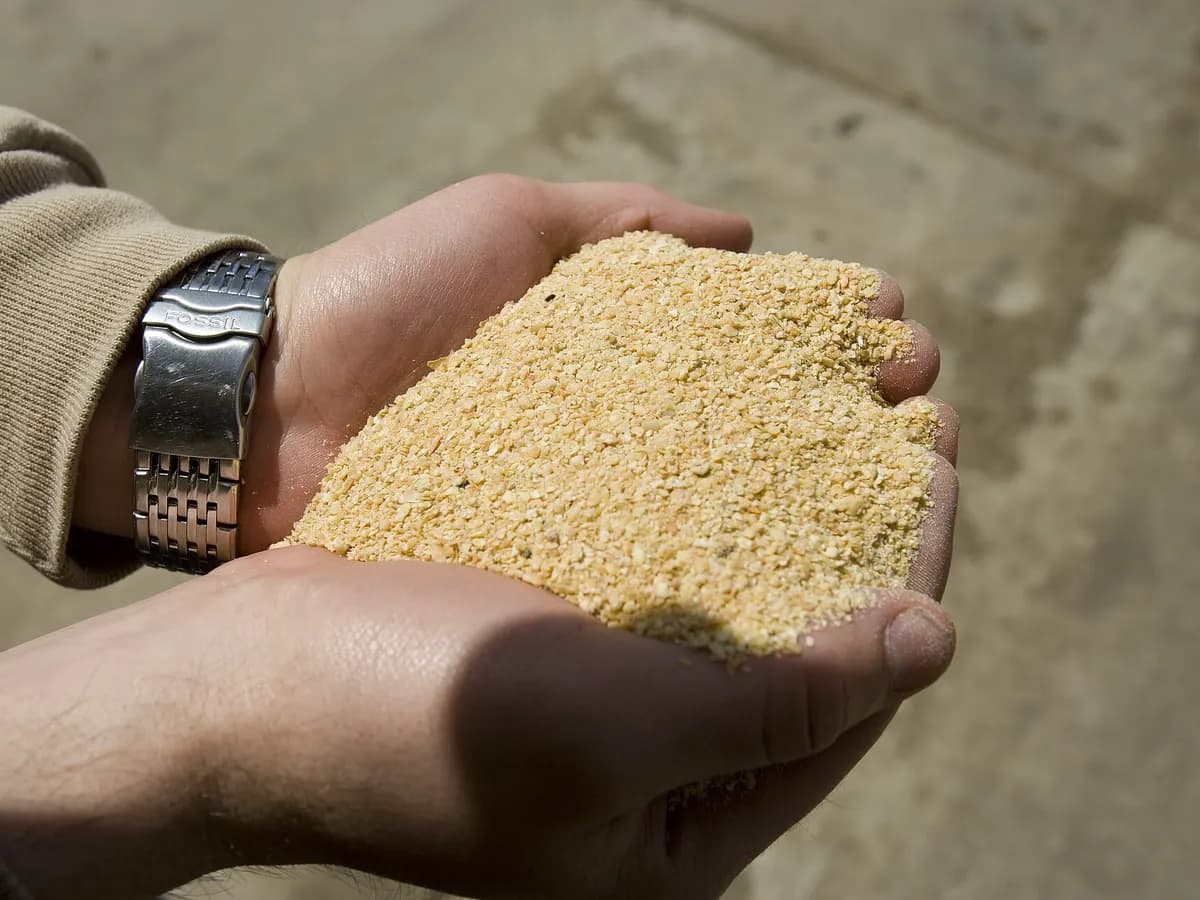 03
03Weighing premix, vitamin and mineral additives separately from the main feed recipe. Minerals used in larger amounts are fed by macro dosing.
Macro Dosing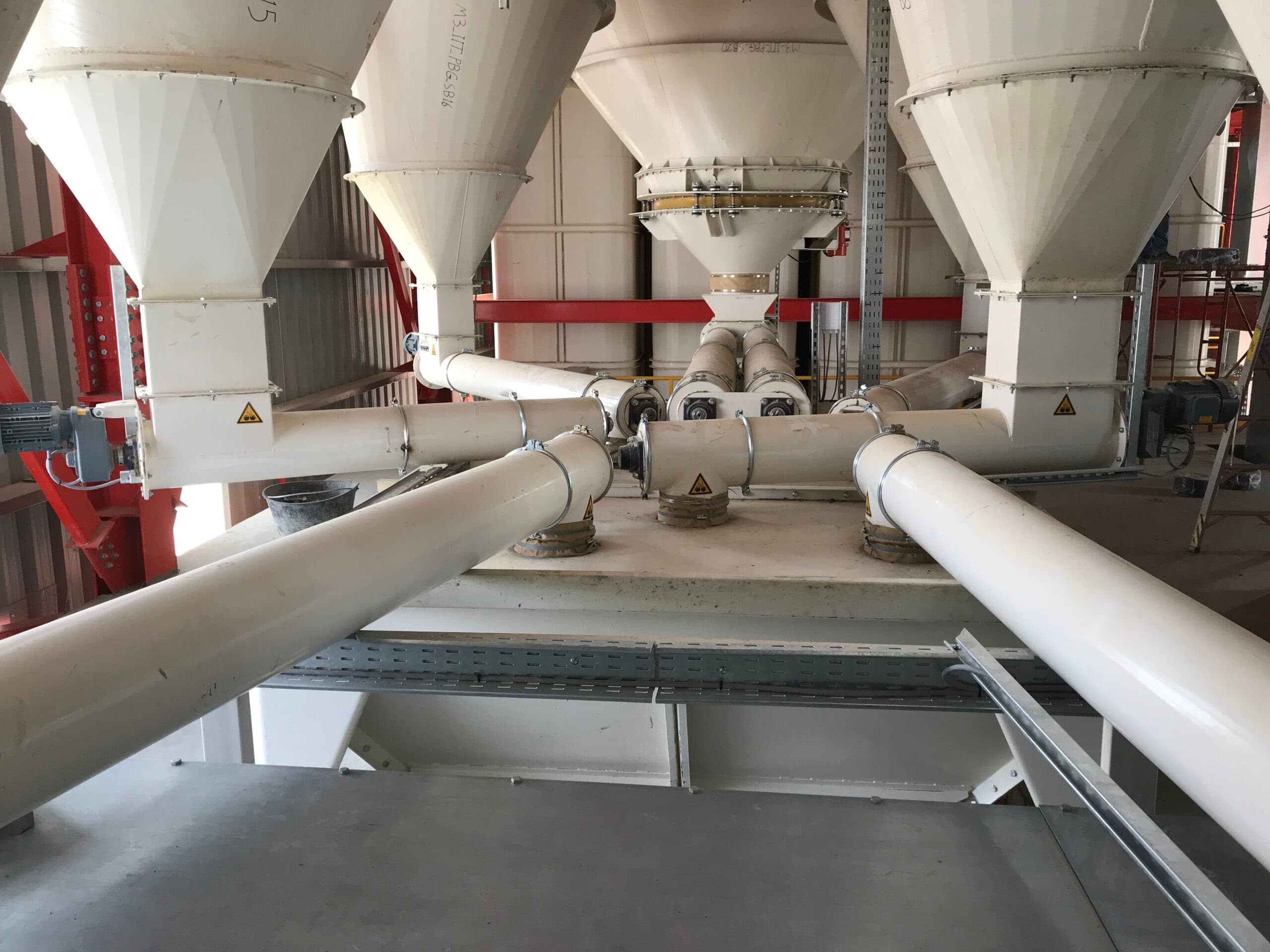
03Design & Manufacturing
PRO MAKINA engineers micro dosing systems around the number of components, the amount of each component in the recipe, product flow properties and batch time. Bin geometry, screw size, weigh hopper and load-cell range are selected together.
Components
Number of components, product type, particle size, bulk density and moisture.
Dose Amount
Target amount of each component per batch and recipe range.
Flow Behaviour
Flowability, bridging and sticking tendency, bin geometry.
Feeding and Weighing
Screw size, scale range and coarse-to-fine changeover.
Control and Connection
PLC/HMI, number of recipes, dust extraction and mixer connection.
Weighing accuracy, batch amount and time are defined from component and recipe data; no generic values are stated on this page.
04Gallery
05FAQ
Weighing additives, micro elements and premix components used at low ratios in a recipe on a separate scale and delivering them to the process on a weight basis.
The dosing screw below each bin runs in recipe sequence and feeds the product into the load-cell weigh hopper. Near the target the inverter reduces screw speed; when all components are weighed, the hopper discharges.
Micro dosing uses a smaller-range scale and screw feeding for low-quantity components. Macro dosing weighs higher-quantity ingredients with larger bins and scales.
Accuracy depends on product flow, target amount, scale range and screw selection. It is defined per project; no generic value is stated.
Component list and product properties, amount of each component per batch, number of batches, number of recipes and details of the mixer to be fed.
06Resources
Technical Quotation
Share your component list, recipe amounts and batch time, and we will define the micro dosing system together with you.
This site uses cookies required to run the website securely and correctly. With your consent, additional cookies may be used for performance measurement, user experience and marketing. For details see the Cookie Policy and Privacy Policy pages.