 01
01Filler and Mineral Ingredients in Fertilizer
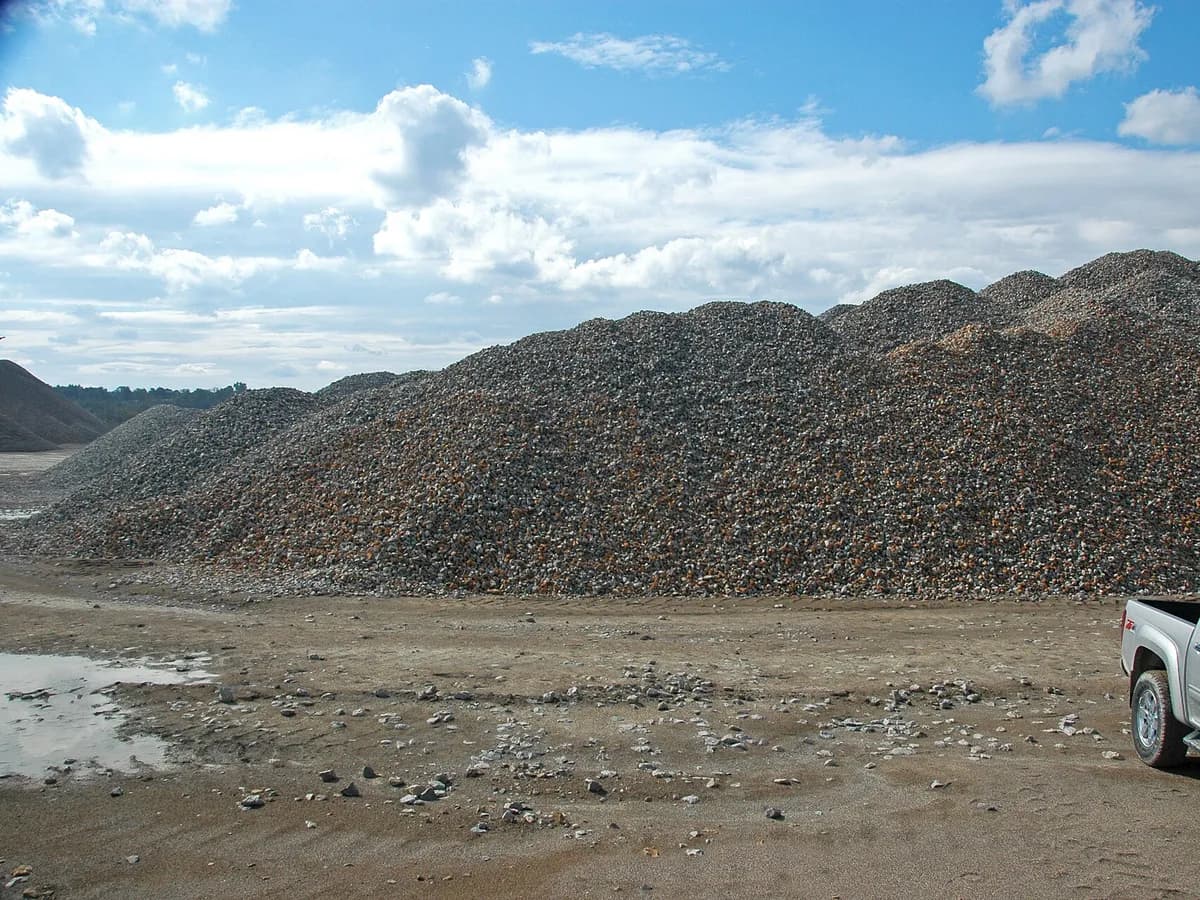
Weighing filler and mineral ingredients used in fertilizer recipes by recipe ratio and adding them to the blend.
Fertilizer and Granulation PlantsIndustrial Plant Solutions
PRO MAKINA · Macro Dosing
Overview
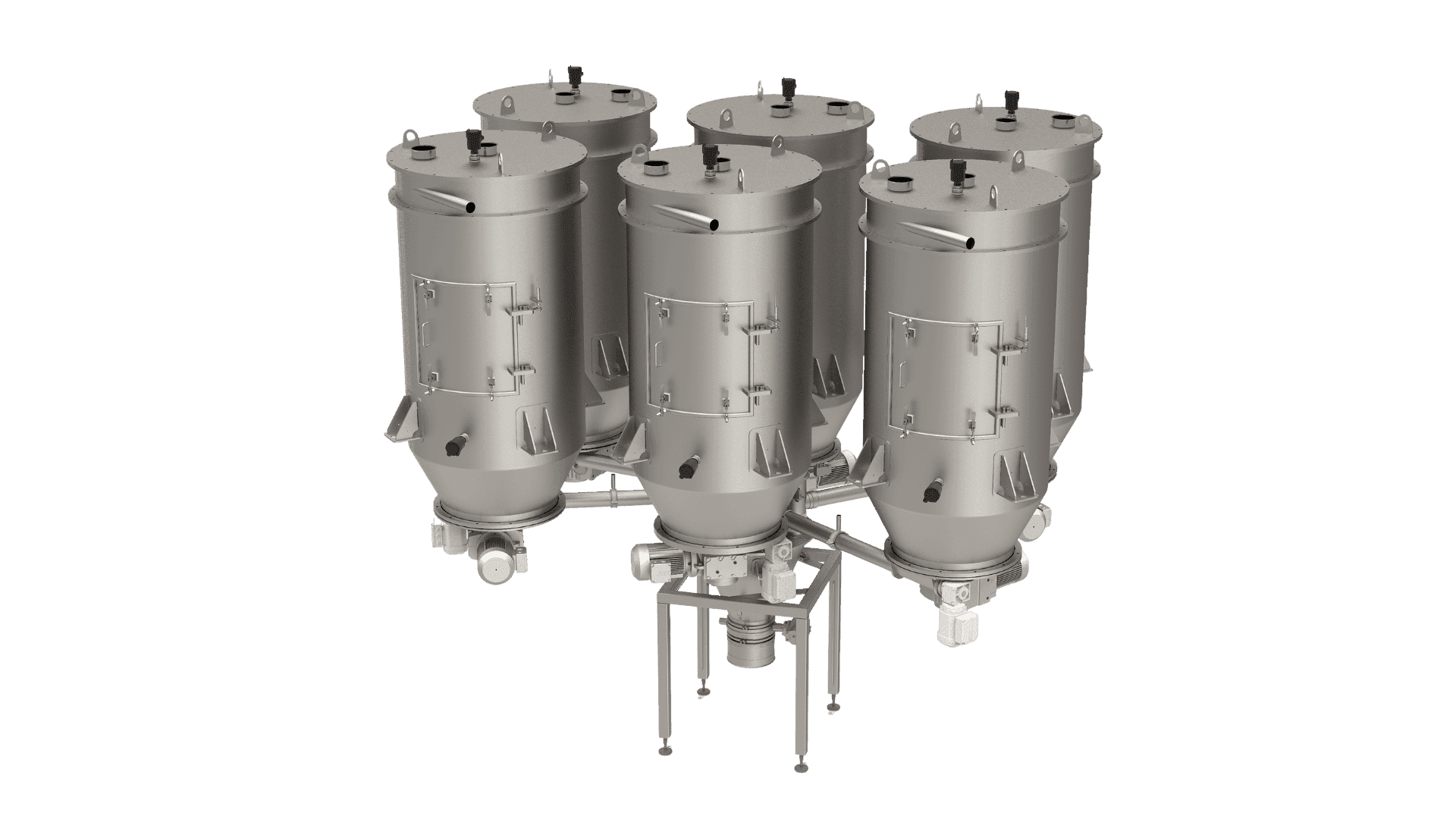
Macro dosing weighs ingredients used in far larger amounts than micro additives — such as minerals, salt, DCP, marble powder and fillers — and delivers them to the process on a weight basis. Larger bins and a scale with a wider measuring range are used for these amounts.
The ingredients are held in bins arranged above a common weigh hopper. Following the recipe sequence, the vibrating discharge of the relevant bin runs and the product flows into the weigh hopper on load cells. When the target amount approaches, the feed is stopped; the material still in free fall is accounted for in the control system.
Flexible connections between the weigh hopper, the bins and the downstream equipment prevent dust leakage and isolate the weighing from mechanical loads. When the batch is complete, the hopper discharges to the mixer or collecting line.
01Process Flow
The diagram shows ingredients fed from the bins by vibrating discharge into the weigh hopper, weighed in recipe sequence and transferred to the mixer or collecting line when the batch is complete. Silo, mixer and collecting conveyor are separate equipment.
Scroll horizontally to view the full diagram.
Ingredient bins: Each ingredient is held in its own bin above the weigh hopper.
Vibrating discharge: The discharge of the bin in sequence runs; product flows into the weigh hopper.
Weighing and cut-off: Load cells monitor the weight; the feed stops as the target approaches.
Batch transfer: When all ingredients are weighed, the hopper discharges to the mixer or collecting line.
Recipe and sequence: The operator panel and PLC define ingredients, target amounts and sequence.
Weighing record: The weighed amount of each ingredient is recorded.
Bin volume, amount per batch and batches per hour are determined together with how often and by which equipment the bins are refilled.
02Applications
01Weighing filler and mineral ingredients used in fertilizer recipes by recipe ratio and adding them to the blend.
Fertilizer and Granulation Plants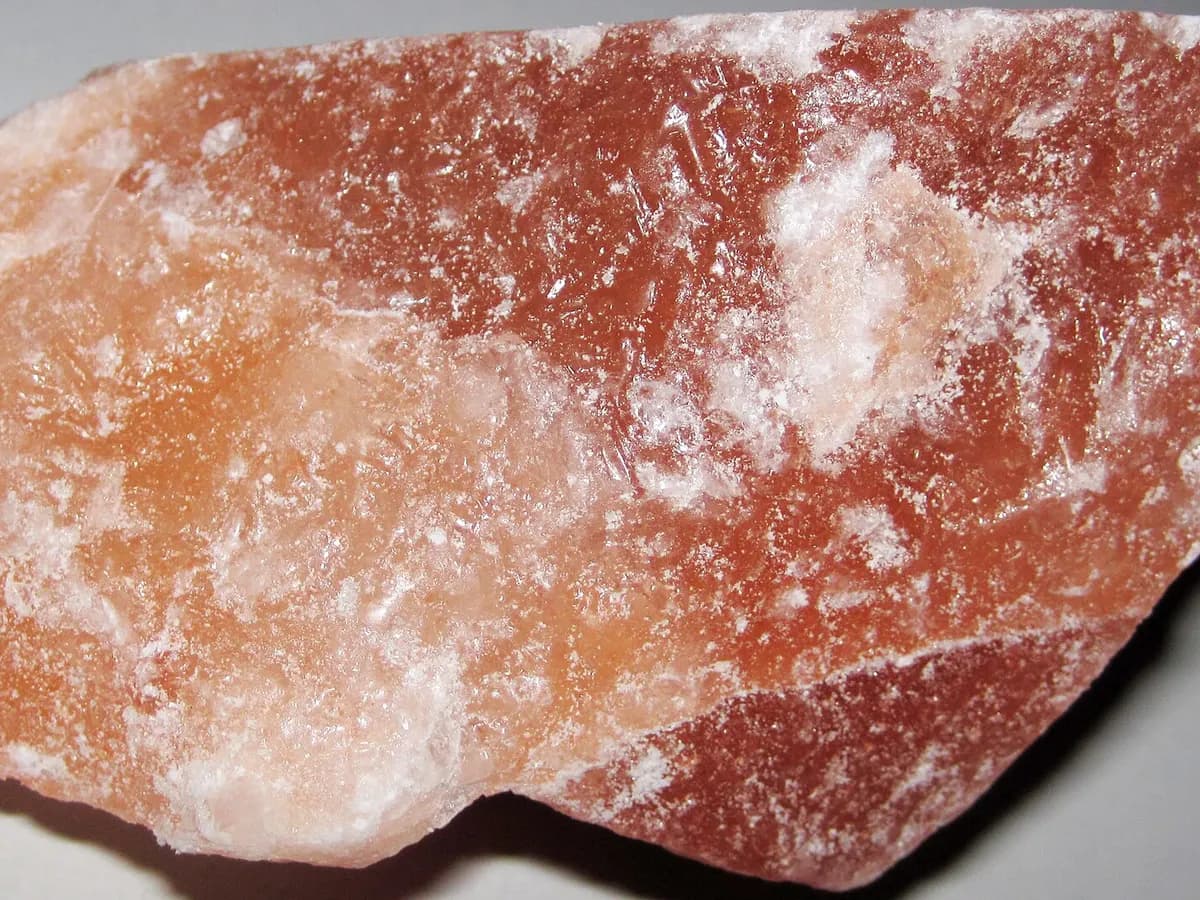 02
02Weighing feed recipe minerals such as salt, DCP and marble powder. Low-quantity additives such as premix and vitamins are weighed separately by micro dosing.
Micro Dosing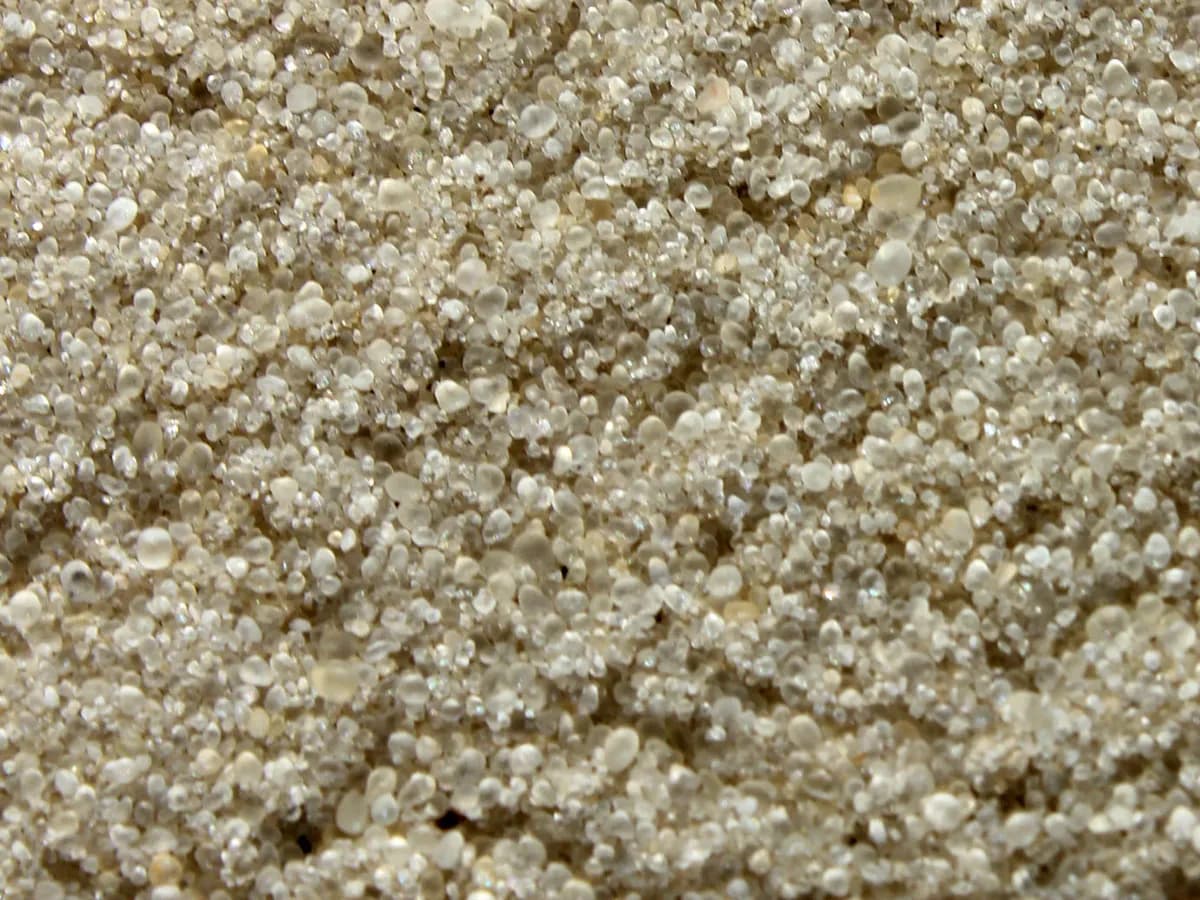 03
03Weighing sand and mineral powders by recipe. For abrasive products, bin outlets and flexible connections are selected accordingly.
Mining and Mineral Processing03Design & Manufacturing
PRO MAKINA engineers macro dosing systems around the number of ingredients, amount per batch, batches per hour and the flow properties of the ingredients. Bin volume and geometry, discharge equipment, weigh hopper and load-cell arrangement are selected together.
Ingredients
Number of ingredients, product type, particle size, bulk density and flowability.
Batch and Rate
Amount per batch, batches per hour and recipe ratios.
Bins and Filling
Bin volume, geometry and filling from silo or conveyor.
Weighing
Weigh hopper volume, load-cell arrangement and measuring range.
Control and Connection
Operator panel, PLC, dust extraction and mixer or collecting line connection.
Weighing accuracy, bin volume and batch capacity are defined from ingredient and recipe data; no generic values are stated on this page.
04FAQ
Weighing ingredients used in large amounts in a recipe — such as minerals, salt, DCP and fillers — on a weight basis and delivering them to the process.
The vibrating discharge of each bin runs in recipe sequence and feeds the product into the load-cell weigh hopper. The feed stops as the target approaches; when the batch is complete, the hopper discharges.
Macro dosing uses larger bins and scales for higher amounts. Micro dosing weighs low-quantity additives on a smaller-range scale with screw feeding.
Macro dosing weighs in batches. A weigh belt feeder continuously measures the flow rate of product on the belt and controls the rate through belt speed.
Ingredient list and properties, amount per batch, batches per hour, bin filling method and details of the mixer or line to be fed.
05Resources
Technical Quotation
Share your ingredients, batch amounts and production rate, and we will define the macro dosing system together with you.
This site uses cookies required to run the website securely and correctly. With your consent, additional cookies may be used for performance measurement, user experience and marketing. For details see the Cookie Policy and Privacy Policy pages.