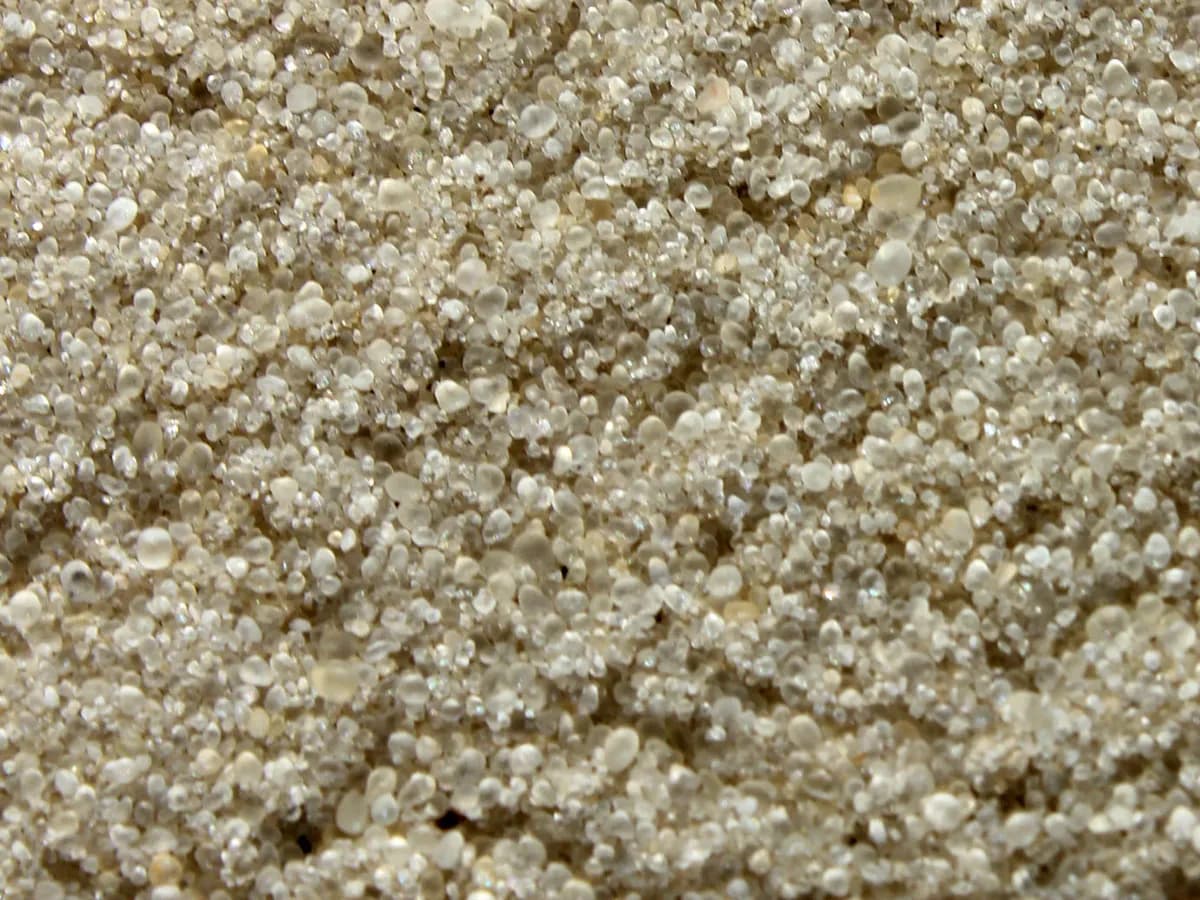
 01
01Silica Sand Rotary Dryer
Rotary drum dryers designed to bring silica and quartz sand to the target moisture. Engineered with an abrasion-resistant shell, dedicated lifting flights and suitable dust collection systems.
Mining & Mineral ProcessingIndustrial Plant Solutions
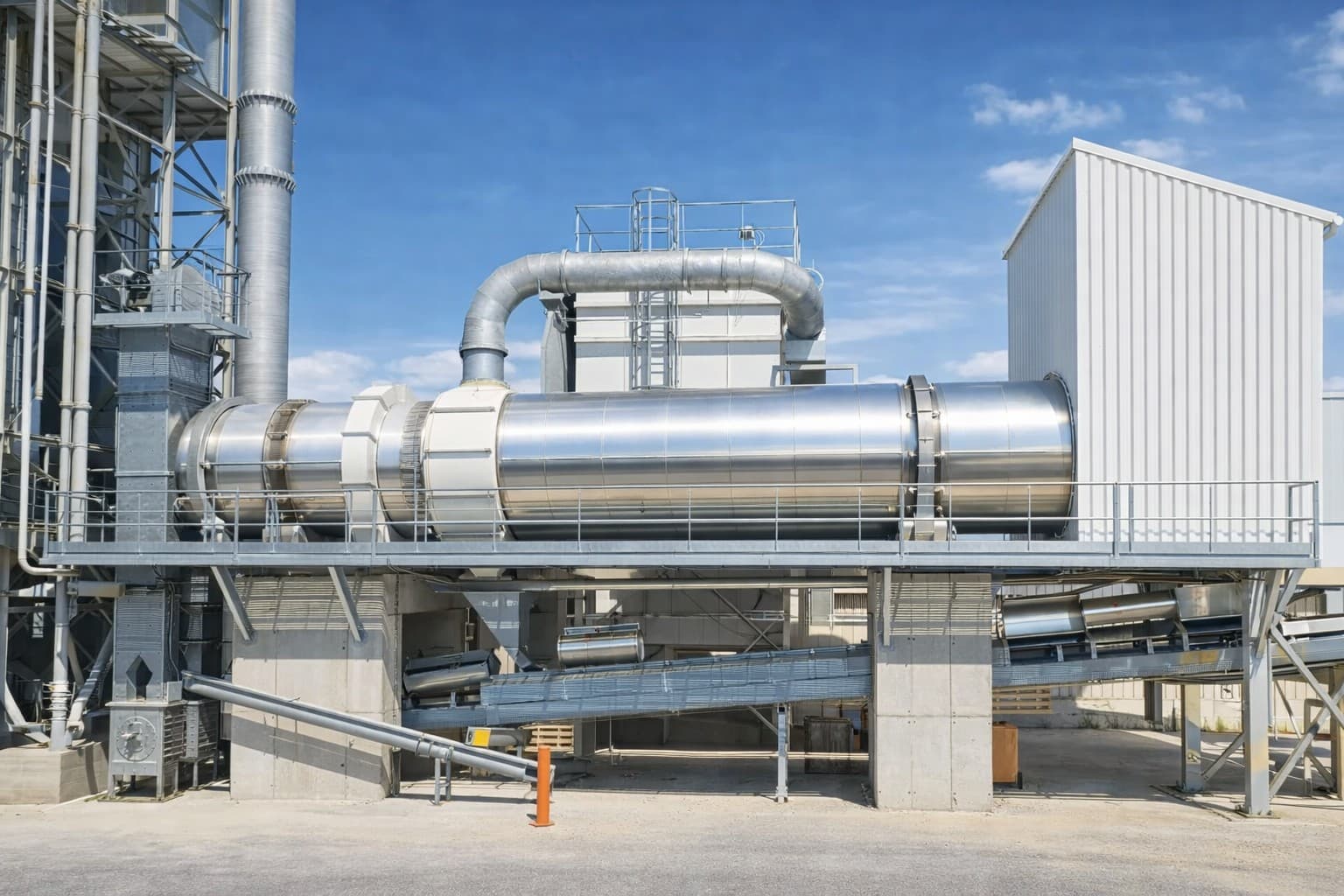
PRO MAKINA · Rotary Drum Dryer
Overview
PRO MAKINA designs and manufactures industrial rotary dryers to reduce the moisture of silica sand, perlite, sawdust, mining and mineral raw materials, organic fertilizer, granular fertilizer and other suitable bulk solids in a controlled way. Each rotary drum dryer is engineered around the properties of the product.
Initial and target moisture, capacity, particle size, bulk density, abrasiveness and thermal sensitivity are the core design inputs. Burner type, airflow, internal flight design, residence time and dust management are evaluated together.
The feed system, heat generation unit, drying drum, fan, cyclone, filter, product discharge and electrical and automation equipment are considered together according to the process. The scope of a complete drying system is defined in the technical quotation in line with the downstream cooling, screening and storage stages.
01Process Flow
The diagram shows a typical direct-fired, co-current drying line; equipment selection and sequence vary from project to project.
Scroll horizontally to view the full diagram.
Wet feed: A hopper and metering feeder deliver a steady product flow to the drum.
Rotary dryer: The cascading product releases its moisture in contact with hot gas.
Product discharge: Dry product is collected at the discharge hood.
Cooling and screening: If required, the product is cooled, screened and sent to silos or packaging.
Hot gas generation: The burner and combustion chamber generate gas at process temperature.
Cyclone: Coarse particles in the exhaust gas are pre-separated.
Pulse-jet filter: Fine dust is captured in a filter suited to the emission requirements.
Process fan and stack: The fan creates negative pressure; clean gas is released through the stack.
Fines captured in the cyclone and filter can be returned to the line or collected separately, depending on product quality.
02Applications
01Rotary drum dryers designed to bring silica and quartz sand to the target moisture. Engineered with an abrasion-resistant shell, dedicated lifting flights and suitable dust collection systems.
Mining & Mineral Processing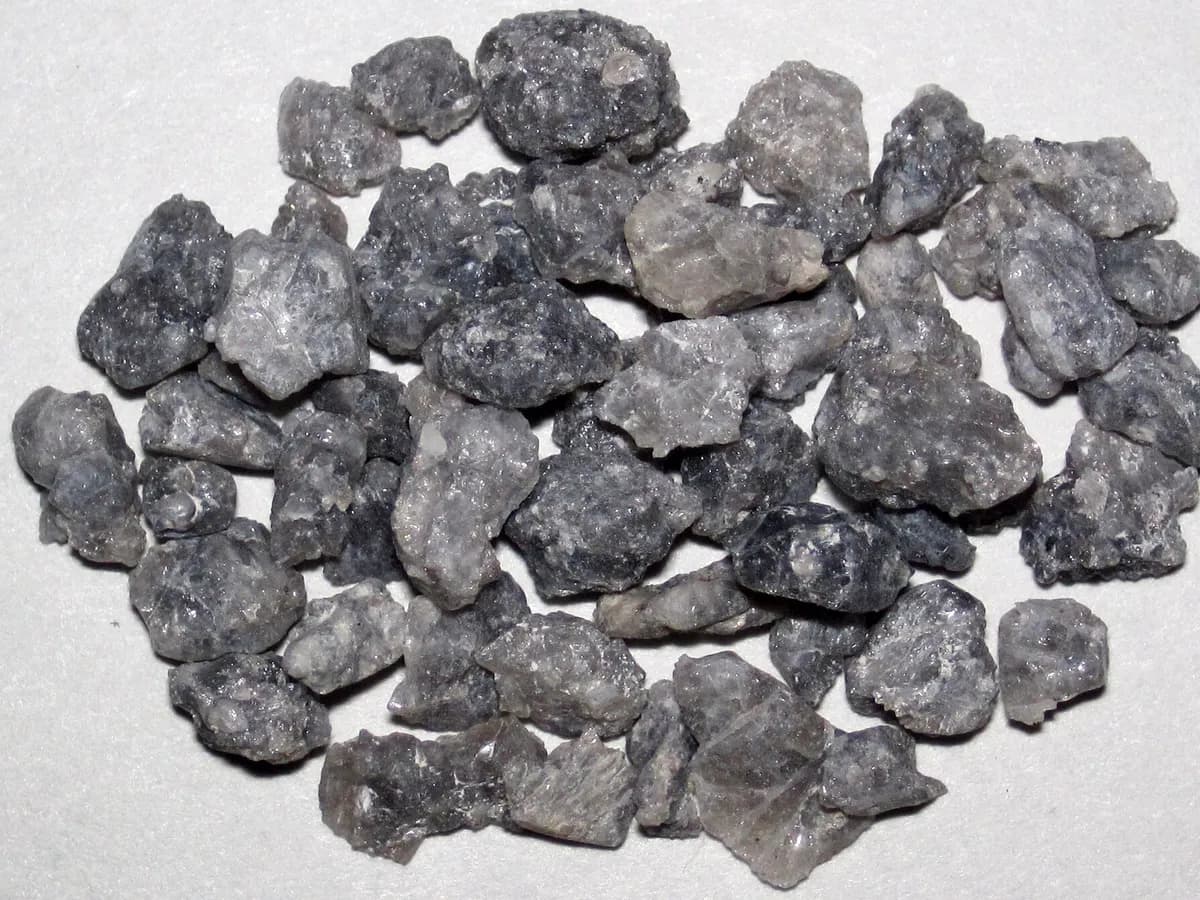 02
02Rotary drum systems developed to dry raw perlite while preserving its grain structure. Controlled drum speed, suitable flight geometry and gas velocity limit breakage and dust formation.
Mining & Mineral Processing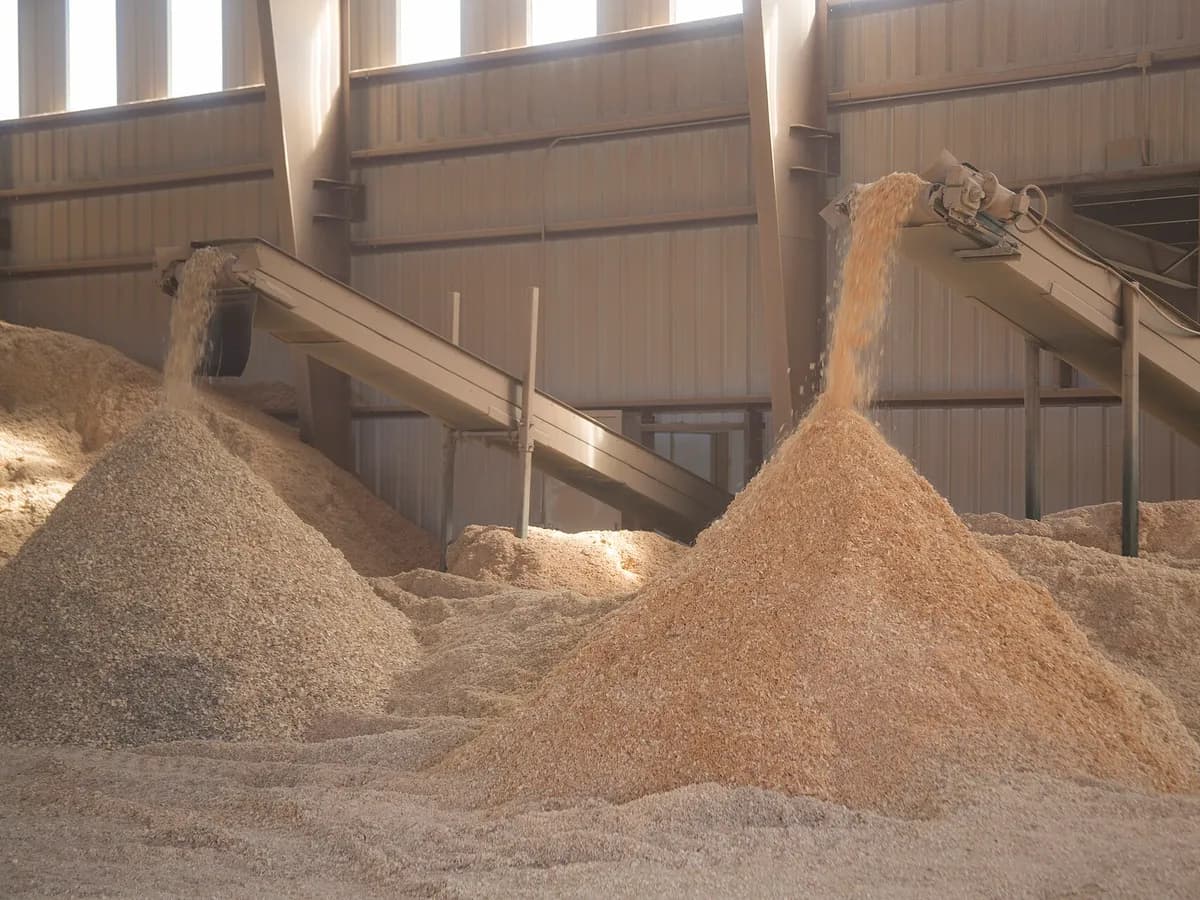 03
03Drying systems for reducing the moisture of wood shavings and suitable biomass feedstocks. Process temperature, material properties, steady feeding and the necessary fire and explosion safety measures are evaluated together.
Discuss your application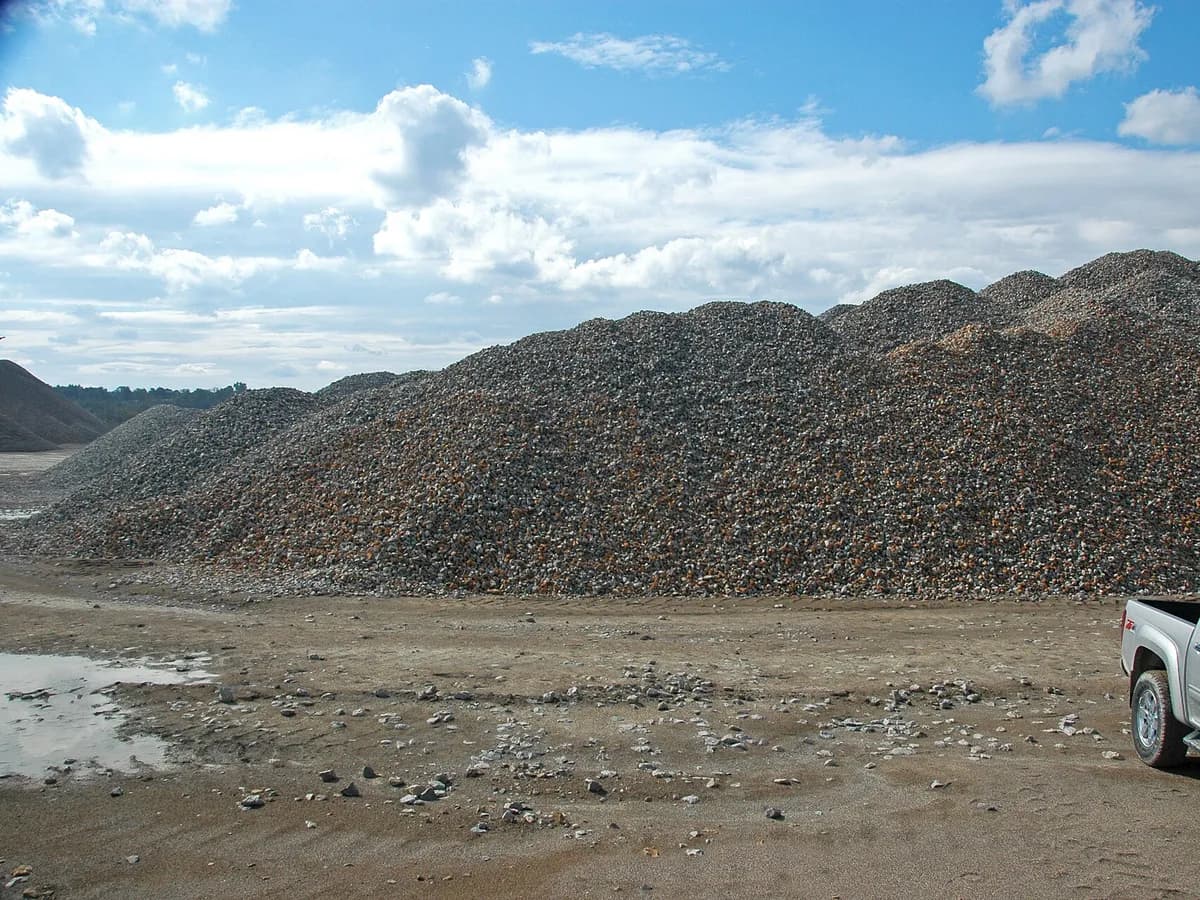 04
04Project-specific mining rotary dryer solutions for barite, limestone and other industrial minerals suitable for drying. Designed around the material's density, abrasiveness, initial moisture and target product properties.
Mining & Mineral Processing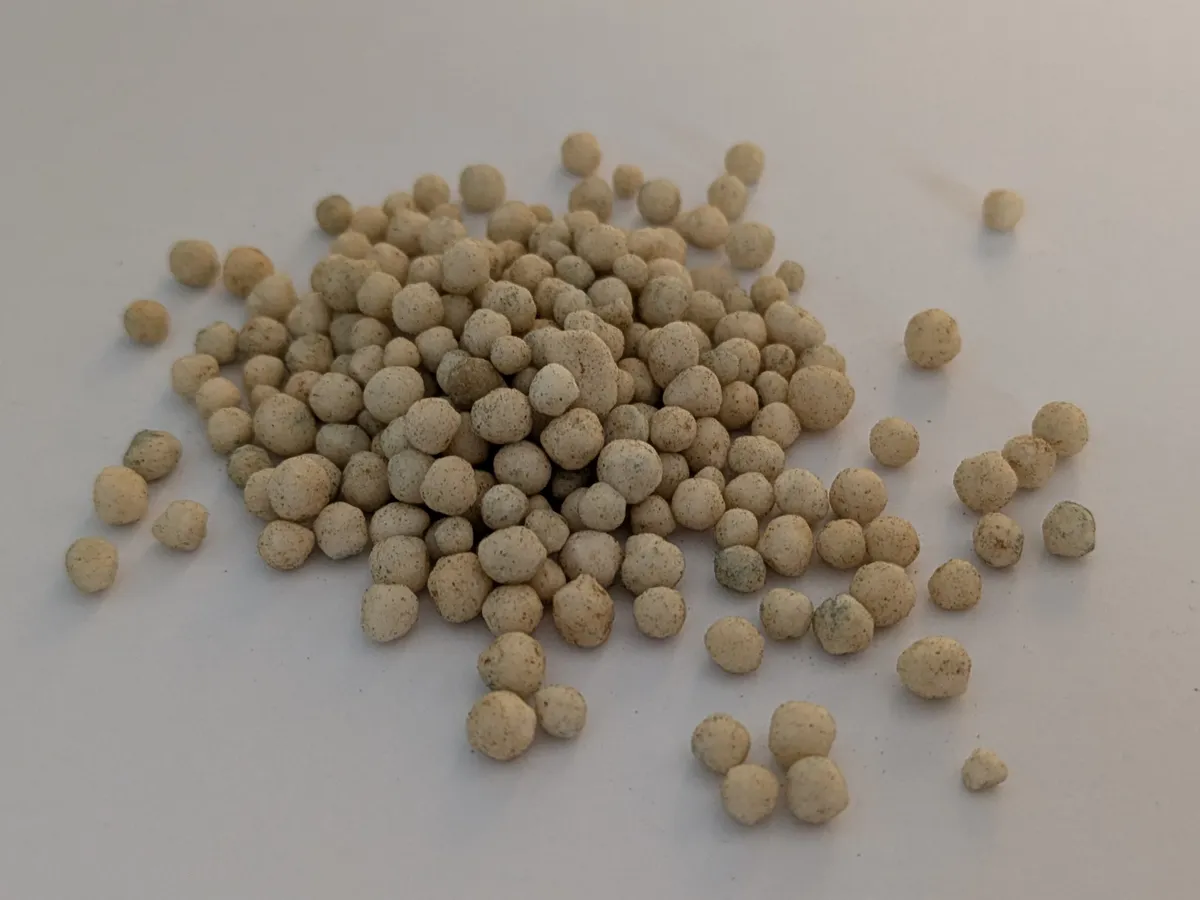 05
05Rotary drum systems for the controlled drying of organic, organomineral and suitable granular fertilizers. Product temperature, granule strength and post-drying cooling and screening requirements are taken into account.
Fertilizer Production Plants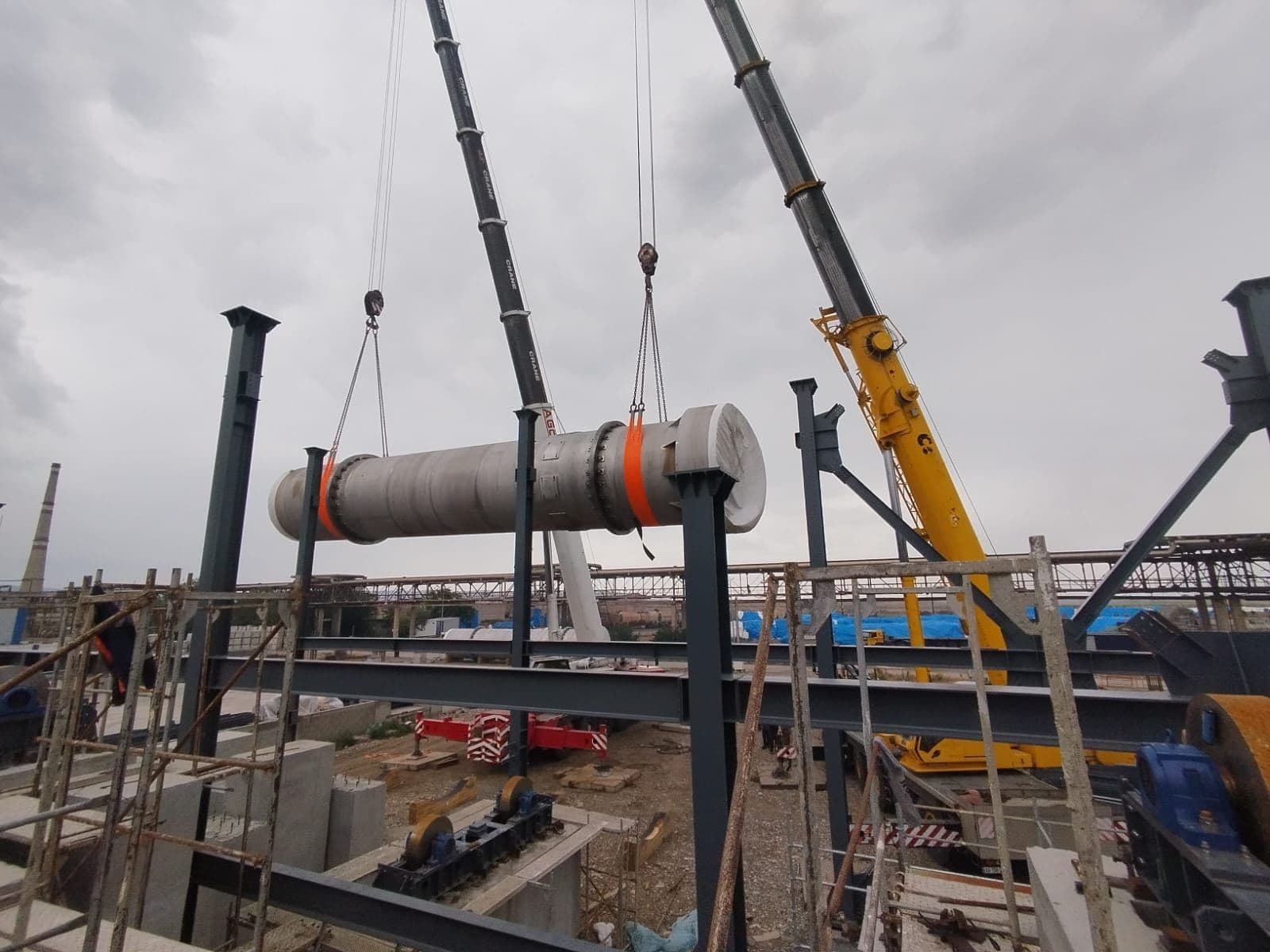 06
06Project-specific drum design and manufacturing for industrial materials and special process needs beyond standard applications. Engineering solutions are developed according to material properties, capacity and operating conditions.
Rotary Drum Systems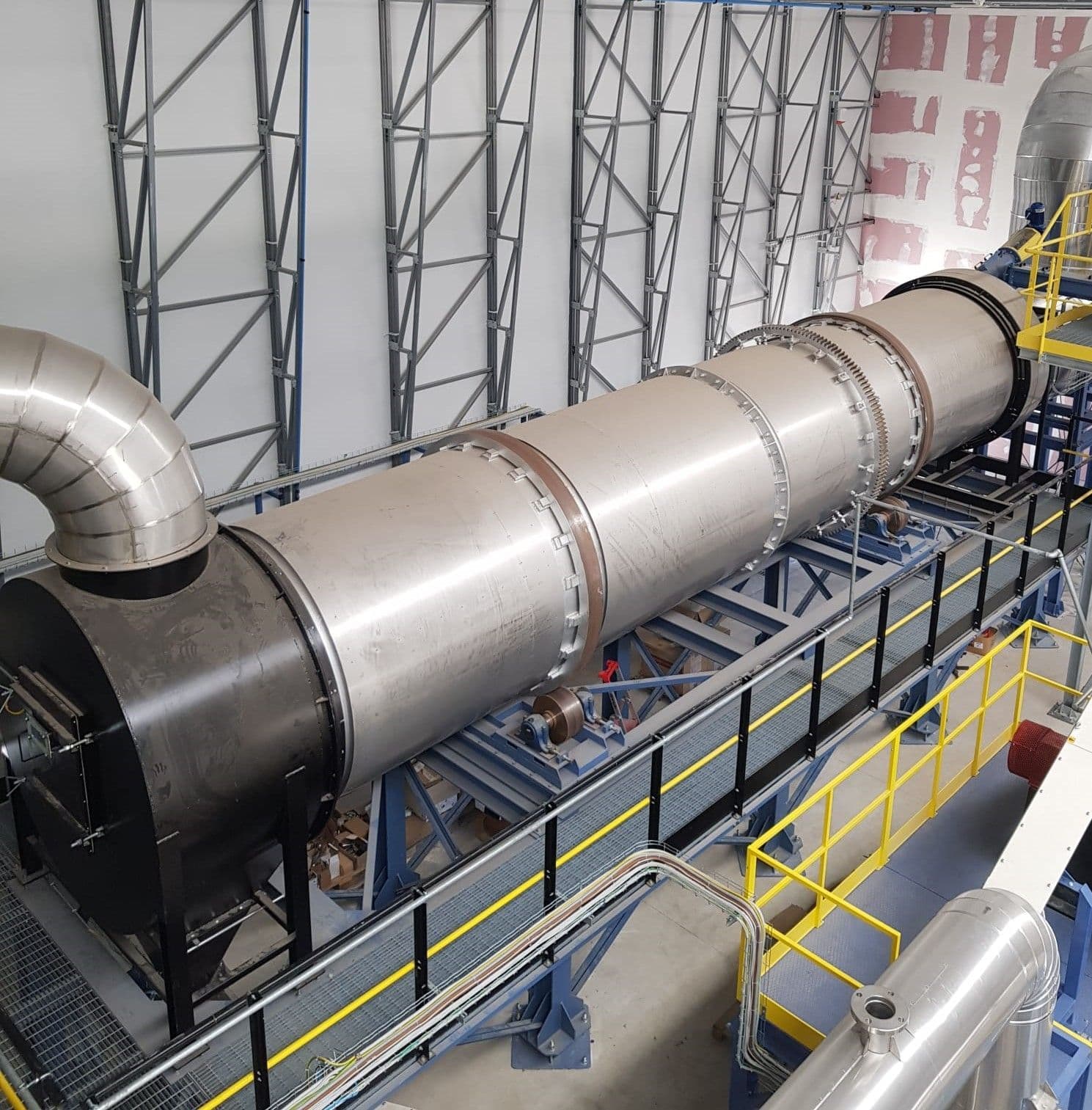
03Design & Manufacturing
PRO MAKINA engineers rotary dryers around raw material properties, hourly capacity, initial and target moisture and the process requirements of the plant. The drum shell, lifting flights, drive system and auxiliary equipment are evaluated as a whole, and rotary dryer manufacturing follows these project data.
Raw Material Data
Material type, particle size, bulk density and abrasiveness.
Capacity and Moisture
Hourly wet feed, target dry product capacity, initial and target moisture.
Heating and Process
Heat source, product temperature, airflow and dust collection requirement.
Mechanical Design
Drum dimensions, shell and flight material, drive system and support assemblies.
Plant Integration
Feeding, discharge, cooling, screening, automation and the existing plant layout.
For combustible products such as sawdust, fire and dust explosion risks are assessed separately at the design stage; if product behaviour is uncertain, a sample test can be carried out.
04Gallery
05FAQ
It is used for fertilizers and granular products, compost and organic streams, minerals such as silica sand, sawdust and biomass, high-moisture streams such as sewage sludge and digestate, and various bulk solids. Suitability is assessed according to the product's moisture, particle structure and temperature sensitivity.
Capacity is not defined by a tonnes-per-hour figure alone; it is determined together with the amount of water to be evaporated, which results from the difference between inlet and target outlet moisture. Product density, operating hours and heat source are also included in the calculation.
Diameter and length are defined per project by evaluating capacity, the residence time the product needs in the drum, filling degree, airflow and site layout constraints together. Selection is not made from a standard size list.
These components are not included as standard in every project. The burner and hot gas unit, fan, cyclone, filter and stack can be engineered together according to the project scope; the final scope is defined in the technical quotation.
Material selection depends on the product's abrasiveness, corrosion behaviour and operating temperature. Carbon steel, stainless steel or locally wear-resistant solutions are evaluated per project.
Once the product type, capacity, inlet and target outlet moisture, heat source, operating hours and site conditions are shared, a process evaluation is carried out; after the scope is clarified, a project-specific technical quotation is prepared. If product behaviour is uncertain, a sample test may be requested.
06Resources
Technical Quotation
We can determine the right technical solution for your rotary dryer based on inlet and outlet moisture, product type, heat source, capacity and site constraints.
When product behaviour is uncertain, the data may need to be supported by laboratory analysis or a sample drying test.
This site uses cookies required to run the website securely and correctly. With your consent, additional cookies may be used for performance measurement, user experience and marketing. For details see the Cookie Policy and Privacy Policy pages.