 01
01Rotary Dryer Exhaust
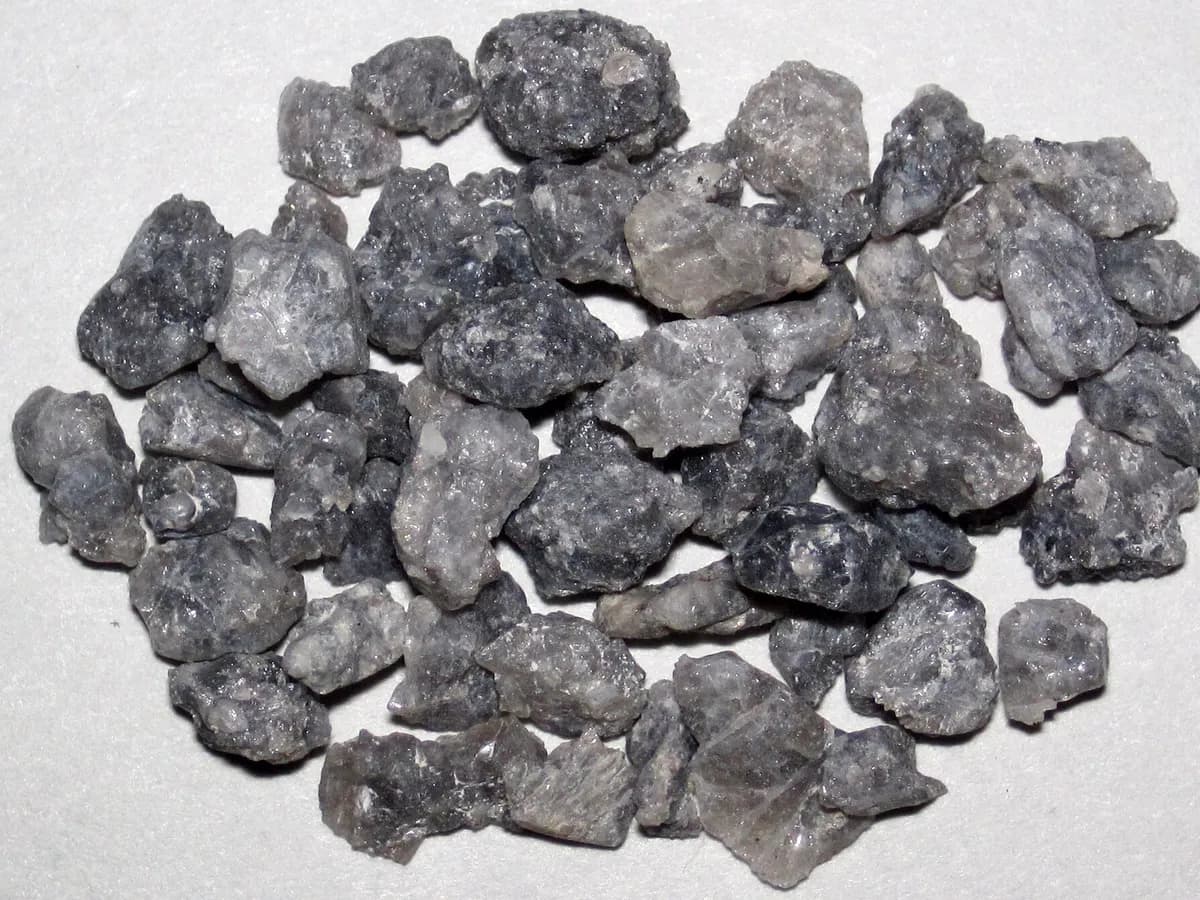
Pre-separating product carried by exhaust gas when drying perlite, sand and similar minerals, and recovering it to the process. A filter stage for fine dust is assessed separately.
Rotary DryerIndustrial Plant Solutions
PRO MAKINA · Cyclone Separator
Overview
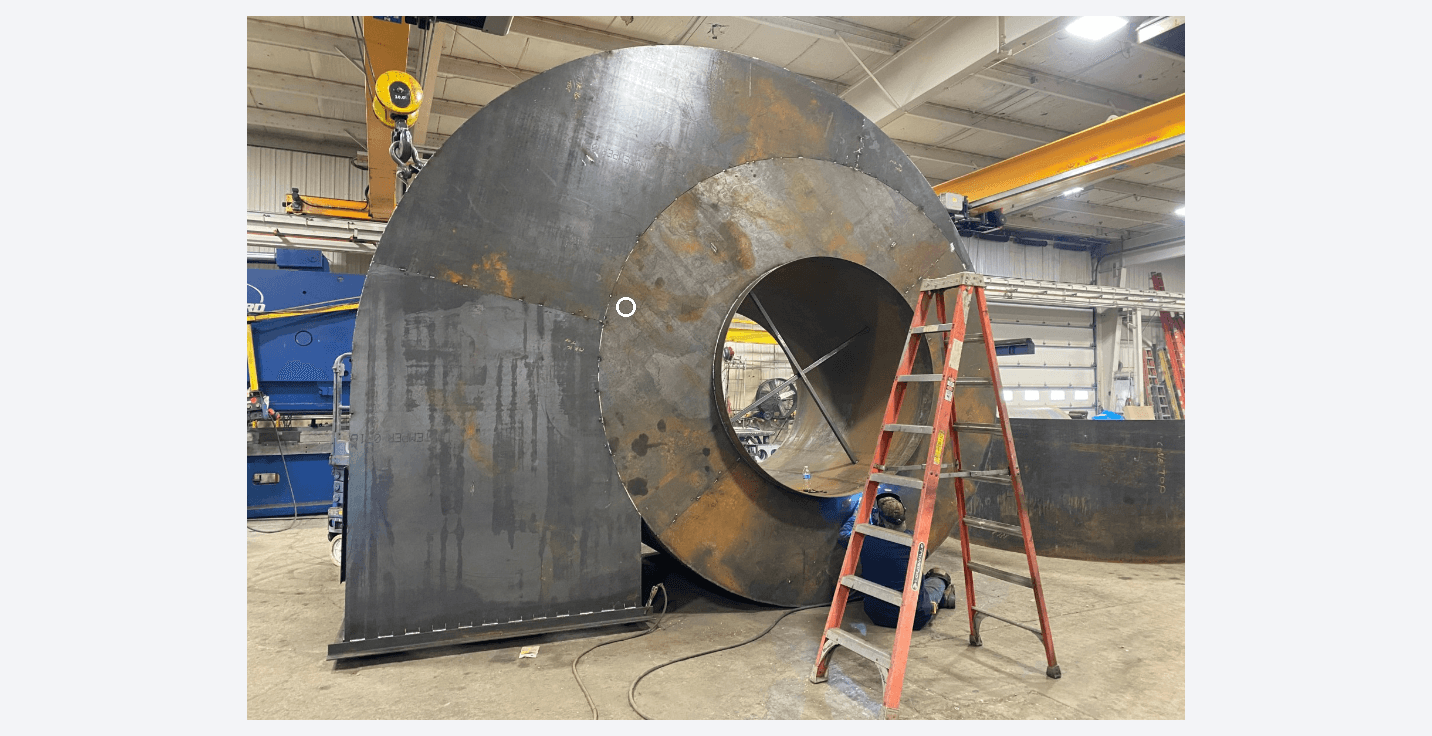
In a cyclone, dusty gas enters the cylindrical body through a tangential inlet and forms a spiral flow along the body and cone. Particles thrown outwards by the centrifugal effect hit the wall, slide down and fall into the bottom hopper, while the cleaned gas leaves through the top outlet pipe in an upward central vortex.
Separation performance mainly depends on gas flow and inlet velocity, particle size and density, body diameter, cone and outlet pipe geometry. Because higher velocity for better separation also raises pressure drop, the cyclone is assessed together with the fan.
Cyclones are especially effective for coarse and dense particles; part of the fine dust can leave with the gas. For abrasive dust, inlet and cone can be protected with wear-resistant material or liners.
01Process Flow
The diagram shows the flow in which dusty gas enters the cyclone, particles are separated by rotating flow and centrifugal effect, collected dust is discharged from the bottom hopper and the gas is routed to the next filter or fan stage.
Scroll horizontally to view the full diagram.
Tangential inlet: Dusty gas enters the cyclone body tangentially and starts to rotate.
Centrifugal separation: Particles thrown outwards move down along the wall.
Gas outlet: Cleaned gas leaves through the central top outlet pipe.
Next stage: If required, gas is routed to a filter, then to the fan and stack.
Collection in the hopper: Separated particles fall from the cone into the bottom hopper.
Controlled discharge: Dust is discharged via a rotary valve without gas leakage or returned to the process.
Several cyclones can be used in parallel or in series; selection depends on gas flow, particle distribution and allowable pressure drop.
02Applications
01Pre-separating product carried by exhaust gas when drying perlite, sand and similar minerals, and recovering it to the process. A filter stage for fine dust is assessed separately.
Rotary Dryer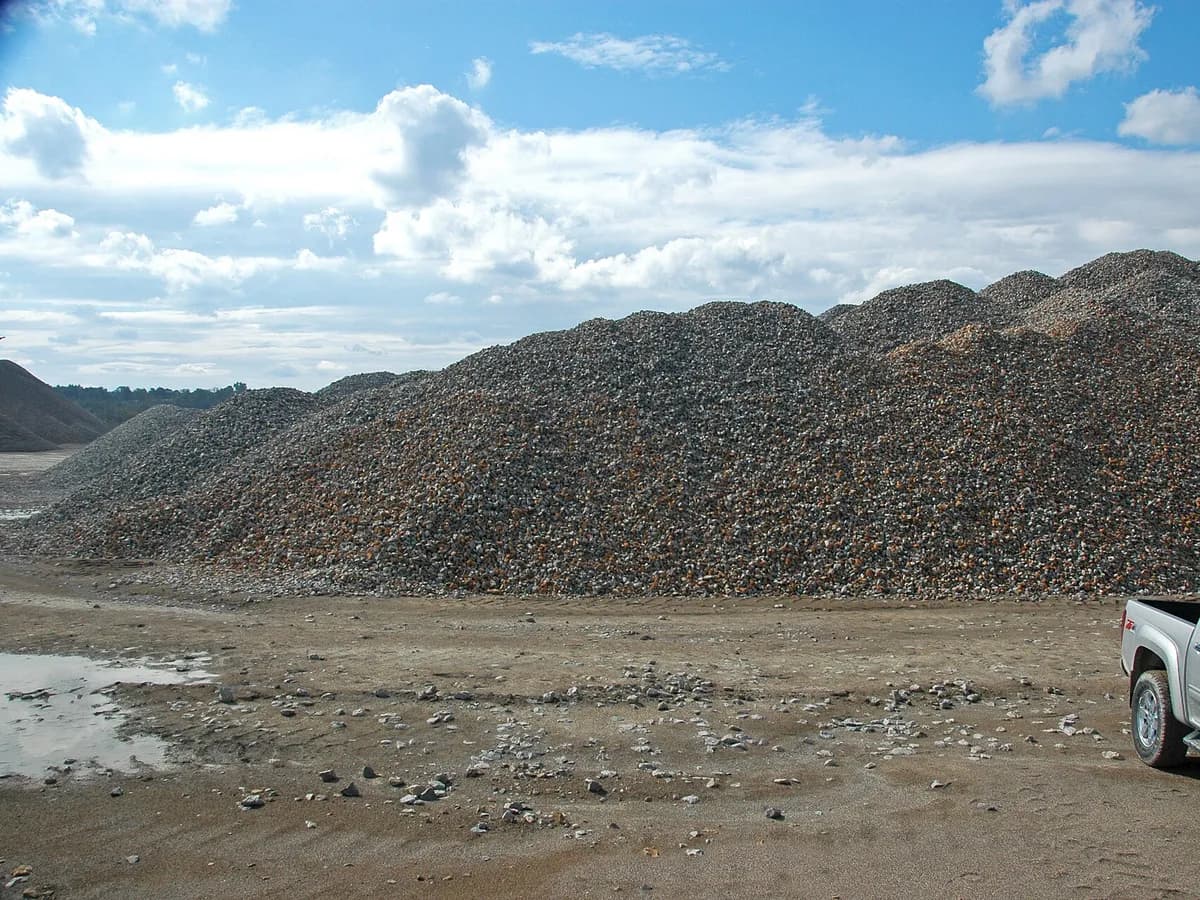 02
02Reducing high dust loads in grinding and pneumatic conveying lines. For abrasive dust, the body and cone are protected against wear.
Mining and Mineral Processing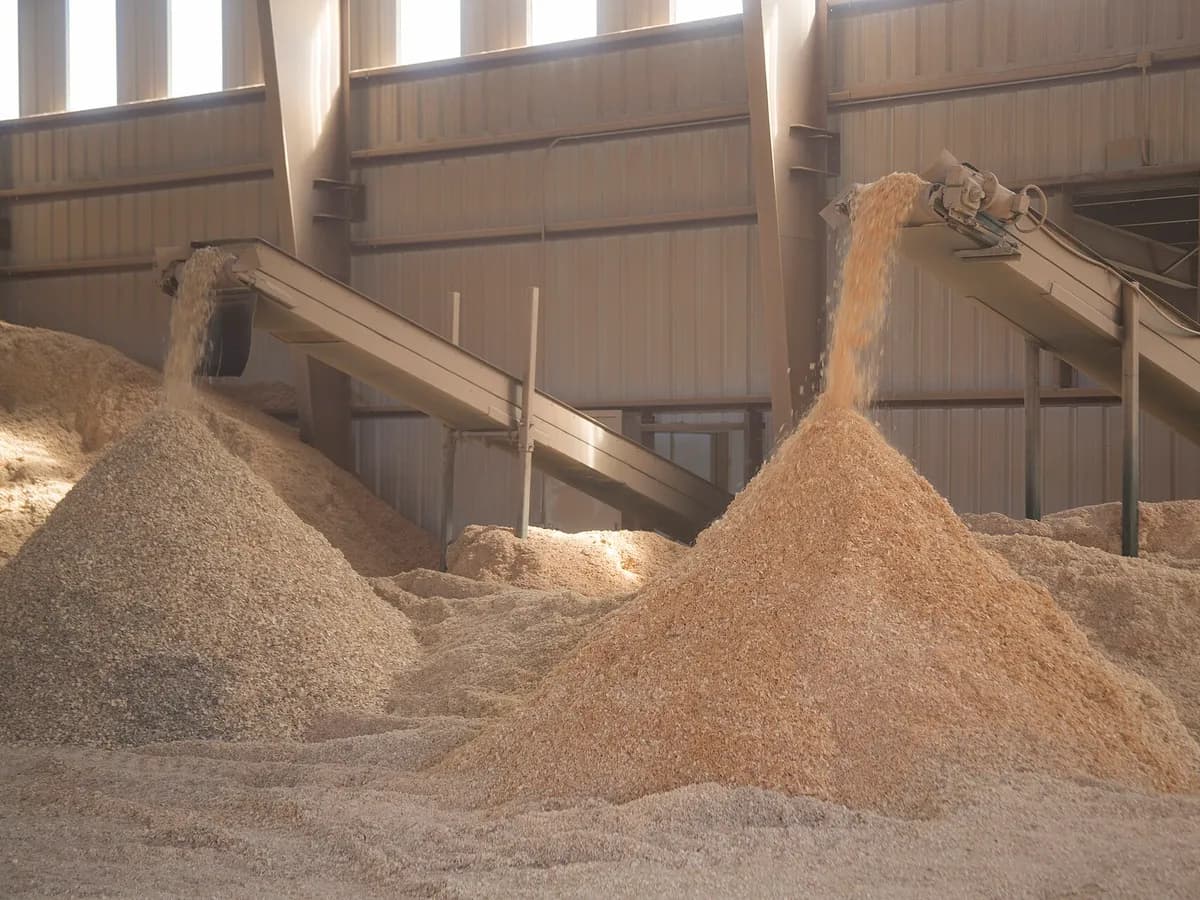 03
03Separating coarse, light particles such as wood shavings before the filter to reduce the load on the filter bags. Final filtration is done by a pulse jet filter.
Pulse Jet Dust Collector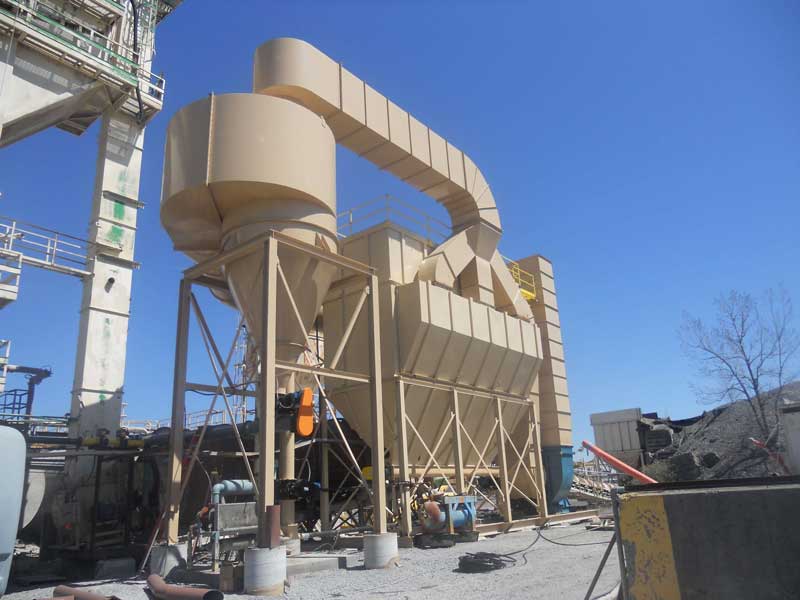
03Design & Manufacturing
PRO MAKINA engineers cyclone separators around gas flow, temperature, dust load and particle properties. Inlet geometry, body diameter and cone, outlet pipe, bottom hopper and discharge, and fan and duct connections are designed together.
Gas Flow
Gas flow, temperature and moisture.
Particle Properties
Dust load, size distribution and density.
Body Geometry
Inlet type, body diameter, cone and outlet pipe.
Pressure Drop
Allowable pressure drop and match with the fan.
Wear and Discharge
Wear protection, bottom hopper and rotary valve.
Cyclone dimensions, separation efficiency and pressure drop are calculated from gas and dust data; no generic values are stated on this page.
04FAQ
Dusty gas enters tangentially and rotates in the body; particles thrown outwards move down the wall and are collected in the hopper, while gas leaves upwards through the centre.
It is effective for coarse and dense particles, but part of the fine dust can leave with the gas. A pulse jet filter or other treatment may be needed downstream for emission targets.
The gas velocity needed for separation creates pressure drop, which directly affects fan selection and energy consumption.
High-wear areas such as the inlet and cone are protected with wear-resistant material or liners.
Gas flow, temperature, dust load, particle size distribution, dust density and allowable pressure drop.
05Resources
Technical Quotation
Share your gas flow and dust properties, and we will define the cyclone separator together with you.
This site uses cookies required to run the website securely and correctly. With your consent, additional cookies may be used for performance measurement, user experience and marketing. For details see the Cookie Policy and Privacy Policy pages.