 01
01Chemical Process Exhaust
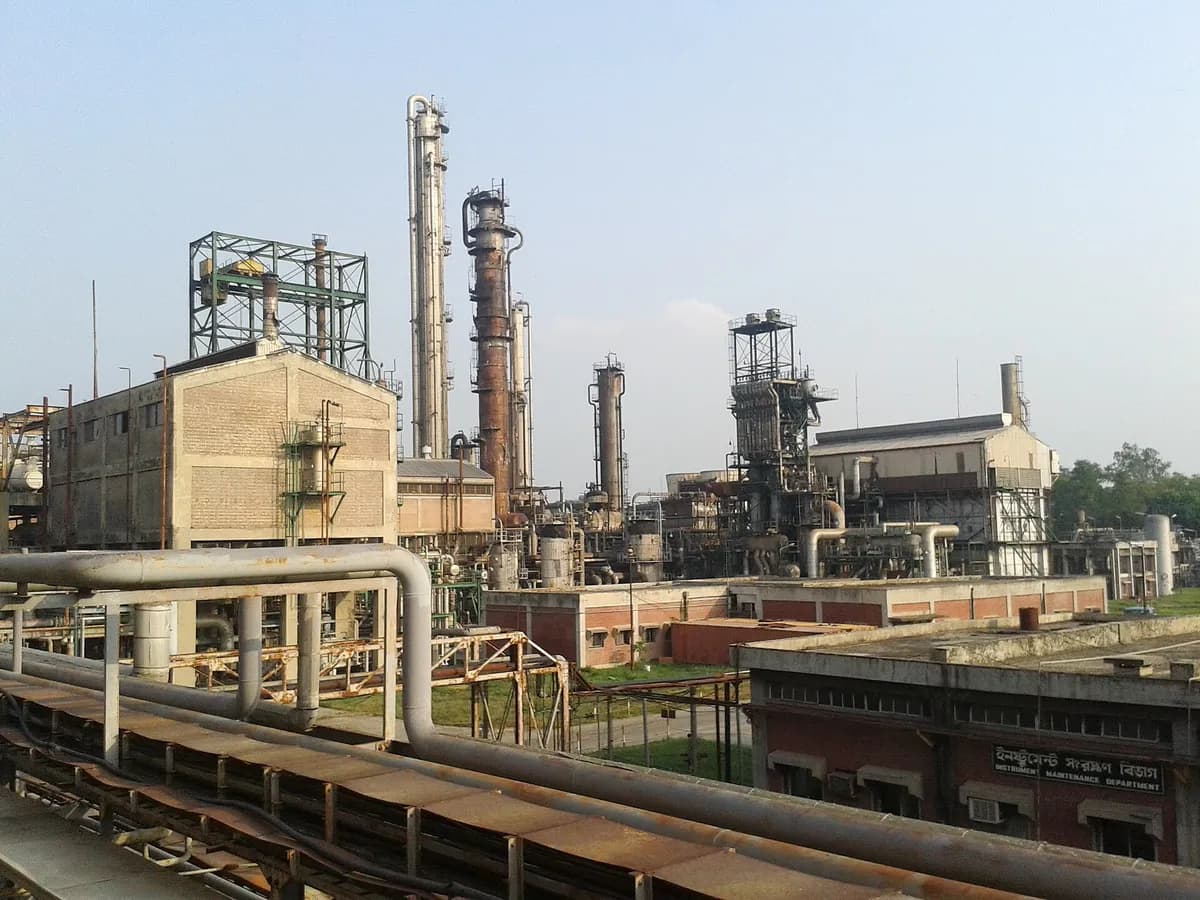
Reducing gas components from chemical process lines that can be captured by a liquid. Scrubbing liquid and shell material are selected for the gas chemistry.
Chemical and Process IndustryIndustrial Plant Solutions
Illustrative process photo
Overview
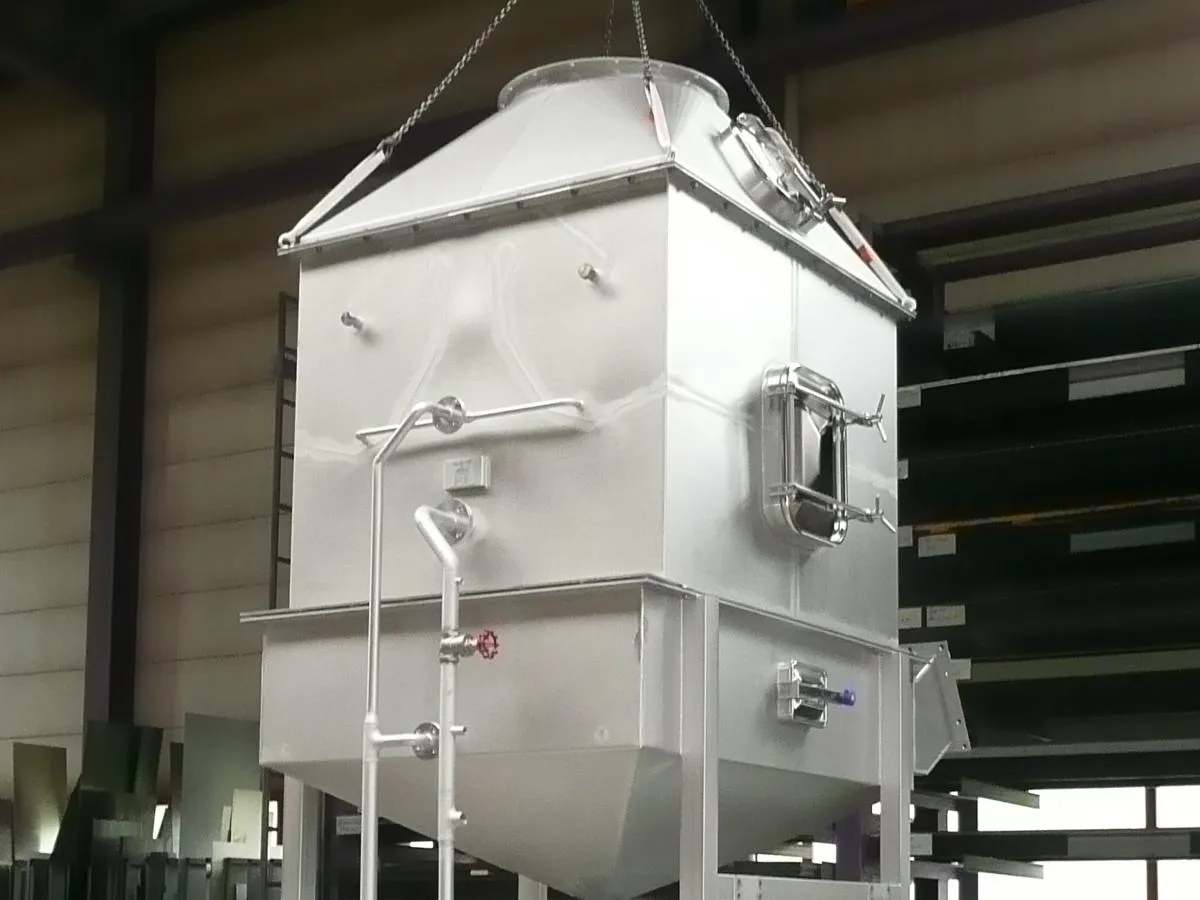
A wet scrubber is a wet gas treatment system in which gas from an industrial process is brought into contact with a suitable scrubbing liquid. During gas-liquid contact, part of the pollutants transfer to the liquid; the treated gas passes a mist eliminator and continues to the fan and stack.
Particle removal and absorption of gas-phase pollutants are different mechanisms. Particles are captured by liquid droplets, whereas components such as ammonia or acid gases are retained by dissolving in the liquid or by chemical reaction. The scrubbing liquid is therefore selected for the target pollutant; water alone is not sufficient for every pollutant, and pH-adjusted solutions are used where needed.
The gas-liquid contact arrangement (spray tower, packed column, Venturi or another configuration) is assessed per project from gas flow, pollutant type, dust load and allowable pressure drop. The contaminated scrubbing liquid is monitored, renewed in a controlled way and sent to treatment if required.
01Process Flow
The diagram shows separately the gas line, in which process gas enters, contacts the scrubbing liquid, passes the mist eliminator and leaves via the stack, and the liquid line, in which the scrubbing liquid is recirculated, monitored and discharged.
Scroll horizontally to view the full diagram.
Process gas inlet: Gas from the fan and extraction duct enters the scrubbing section.
Gas-liquid contact: Gas meets the scrubbing liquid in the contact arrangement selected for the project.
Mist elimination: Liquid droplets carried by the gas are separated in the mist eliminator.
Gas outlet: Treated gas is released to atmosphere via the fan and stack.
Recirculation: The scrubbing liquid is pumped from the recirculation tank to the distribution system.
Monitoring and renewal: Level, flow and pH where required are monitored; contaminated liquid is bled off in a controlled way and topped up.
For gas with a high dust load, pre-separation by a cyclone or filter can reduce liquid contamination and maintenance needs.
02Applications
01Reducing gas components from chemical process lines that can be captured by a liquid. Scrubbing liquid and shell material are selected for the gas chemistry.
Chemical and Process Industry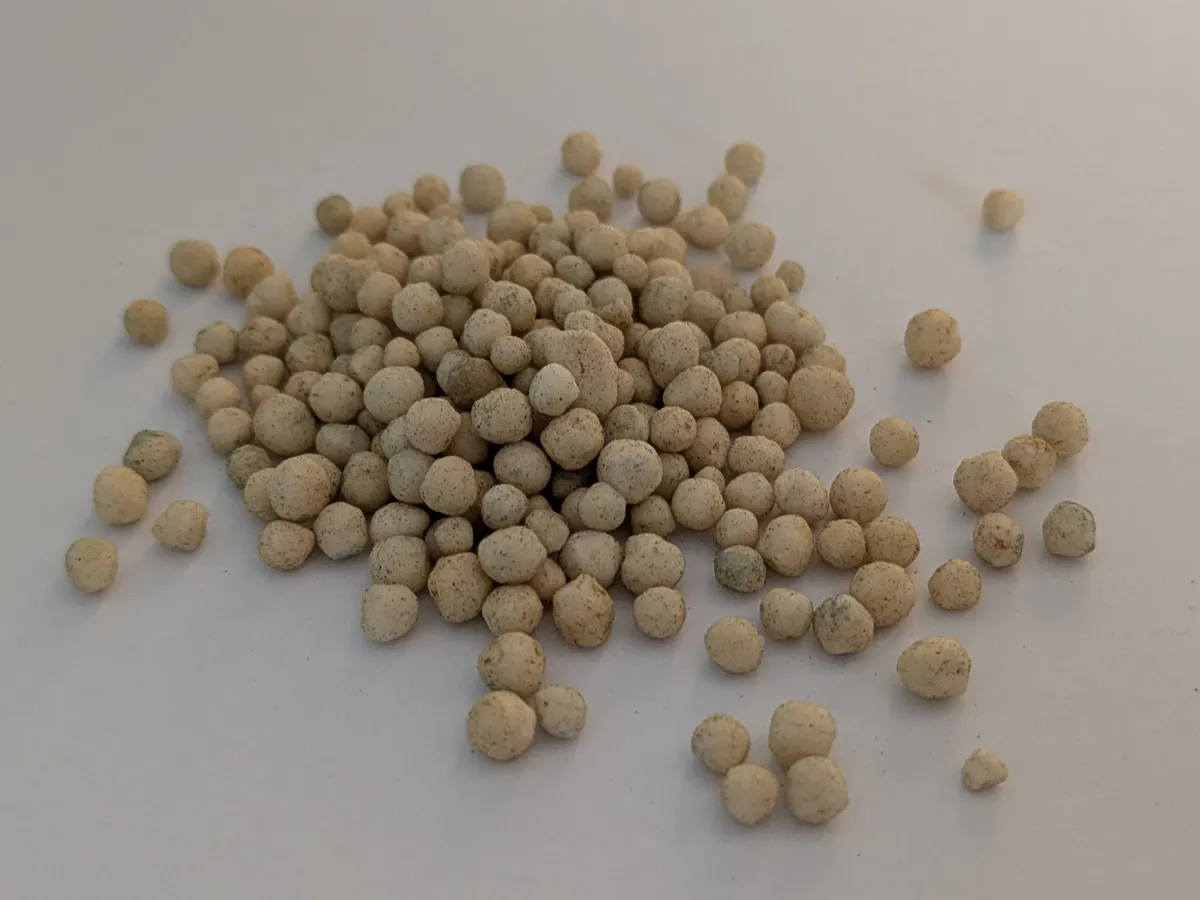 02
02Scrubbing exhaust containing gas components such as ammonia and fine dust in fertilizer processes. Contact and liquid handling are assessed separately for the dust and gas phases.
Fertilizer and Granulation Plants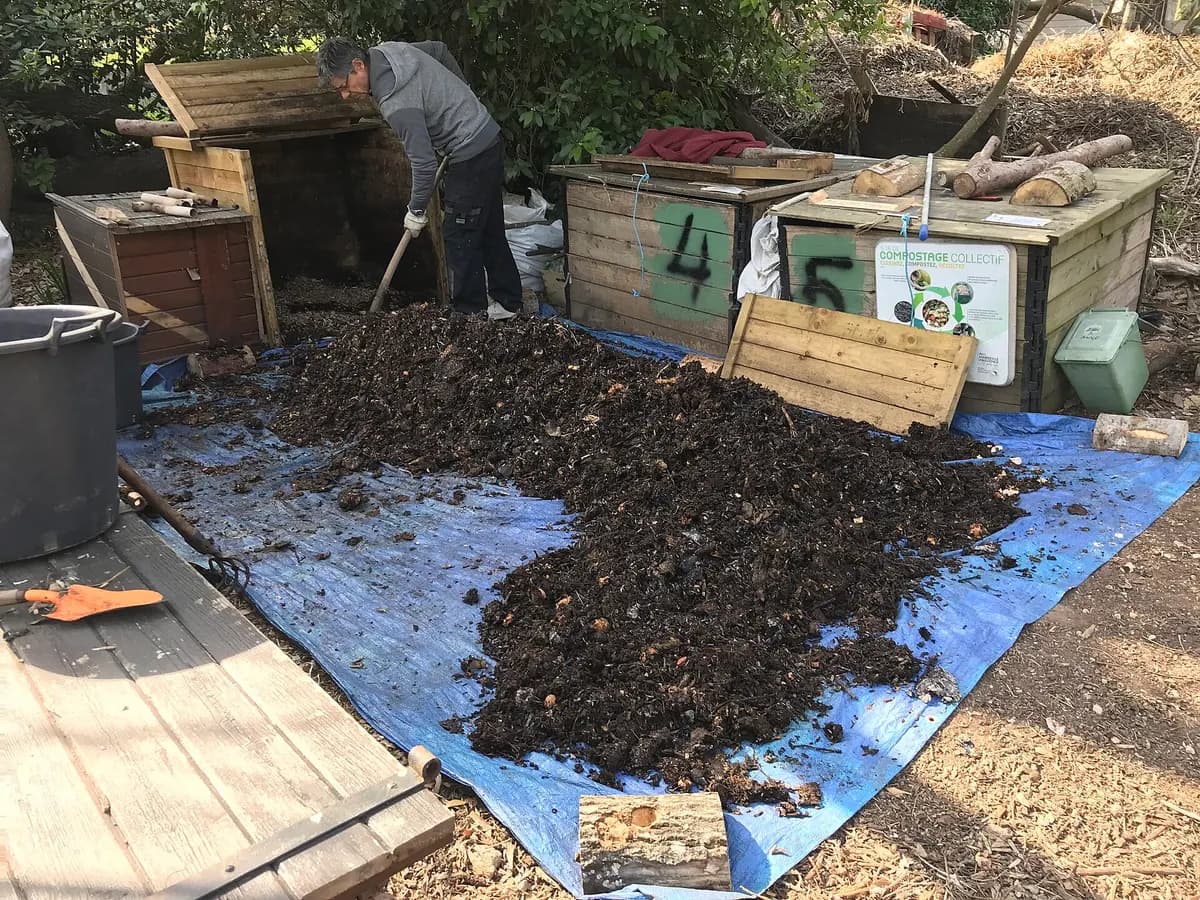 03
03Reducing odour-causing components that can be captured by a liquid in compost and organic waste processes. Results depend on gas composition; additional stages such as a biofilter are assessed if needed.
Compost and Organic Waste Plants03Design & Manufacturing
PRO MAKINA engineers wet scrubbers around the gas source and composition, flow, temperature and moisture, and the target pollutants. Scrubbing section and contact arrangement, recirculation tank and pump, distribution system, mist eliminator, instrumentation and control, and fan and stack connections are designed together.
Gas Composition
Gas source, composition, temperature, moisture and dust load.
Target Pollutants
Components to be reduced and their inlet concentrations.
Flow and Pressure Drop
Gas flow, allowable pressure drop and fan match.
Scrubbing Liquid and Contact
Liquid type, chemical compatibility and gas-liquid contact arrangement.
Materials and Liquid Handling
Corrosion compatibility, mist elimination, bleed, make-up and discharge.
System size, liquid flow, removal efficiency and pressure drop are assessed from process data; no emission, odour removal or efficiency guarantee is given on this page.
04FAQ
Process gas is brought into contact with a scrubbing liquid and part of the pollutants transfer to it. The treated gas passes a mist eliminator to the stack, while the liquid is collected in the recirculation tank and reused.
No. Removal depends on pollutant type, scrubbing liquid, contact arrangement and process conditions. Additional treatment stages are needed in some cases.
Water can be used for some readily soluble components and particles; acid or alkaline gases generally require pH-adjusted scrubbing solutions. The choice depends on gas composition.
A pulse jet filter retains dry dust on filter bags. A scrubber contacts the gas with a liquid to reduce both particles and liquid-capturable gas components, and requires a liquid circuit.
Gas flow, temperature and moisture, gas composition, target pollutants and inlet concentrations, dust load and site conditions.
05Resources
Technical Quotation
Share your gas composition, flow and treatment targets, and we will assess the wet scrubber system together with you.
This site uses cookies required to run the website securely and correctly. With your consent, additional cookies may be used for performance measurement, user experience and marketing. For details see the Cookie Policy and Privacy Policy pages.