 01
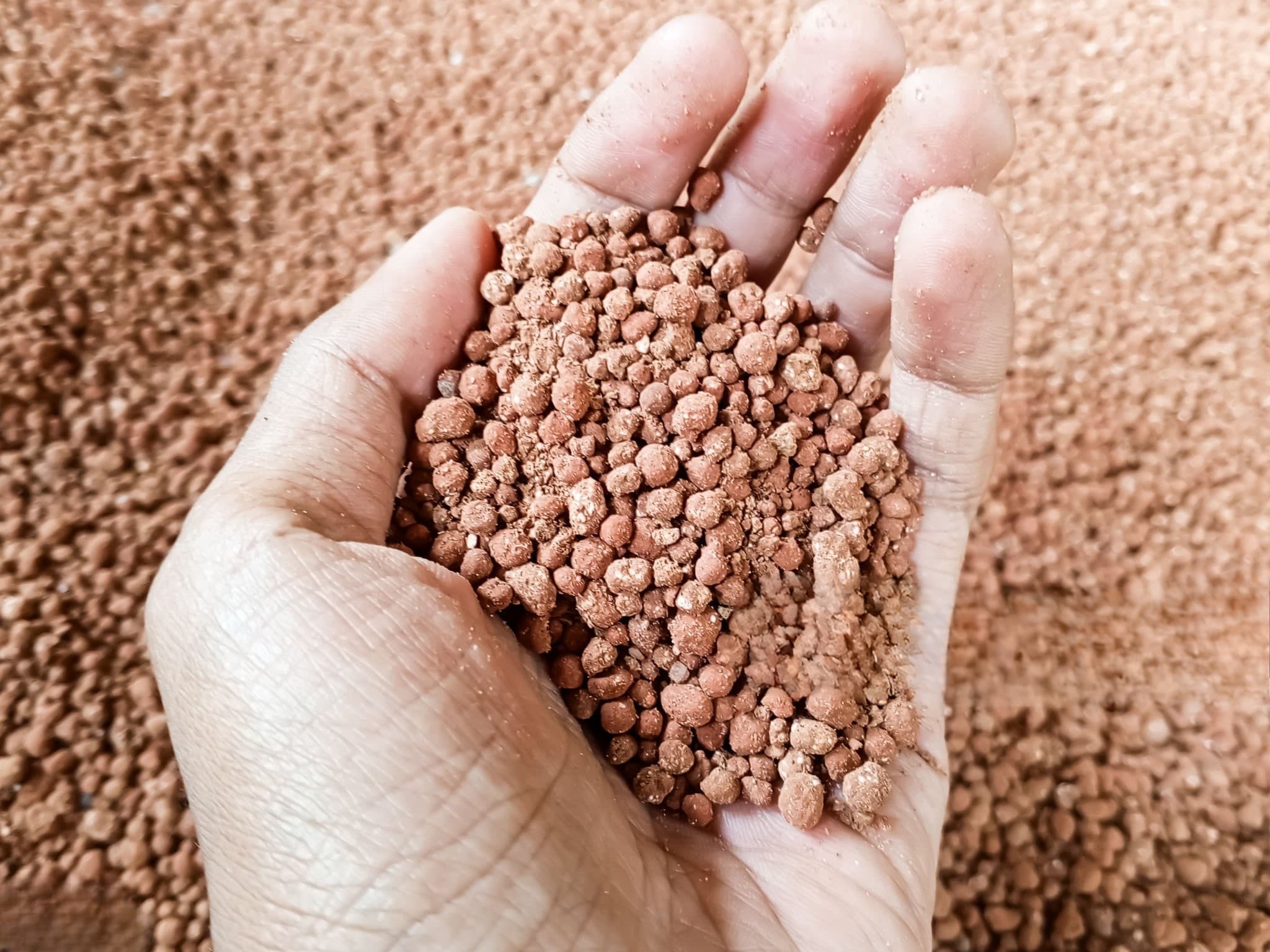
01Granular Fertilizer Cooling
Cooling NPK, organomineral and similar granular fertilizers that leave the dryer hot, before screening and packing. Flight design is matched to granule strength.
Fertilizer PlantsIndustrial Plant Solutions
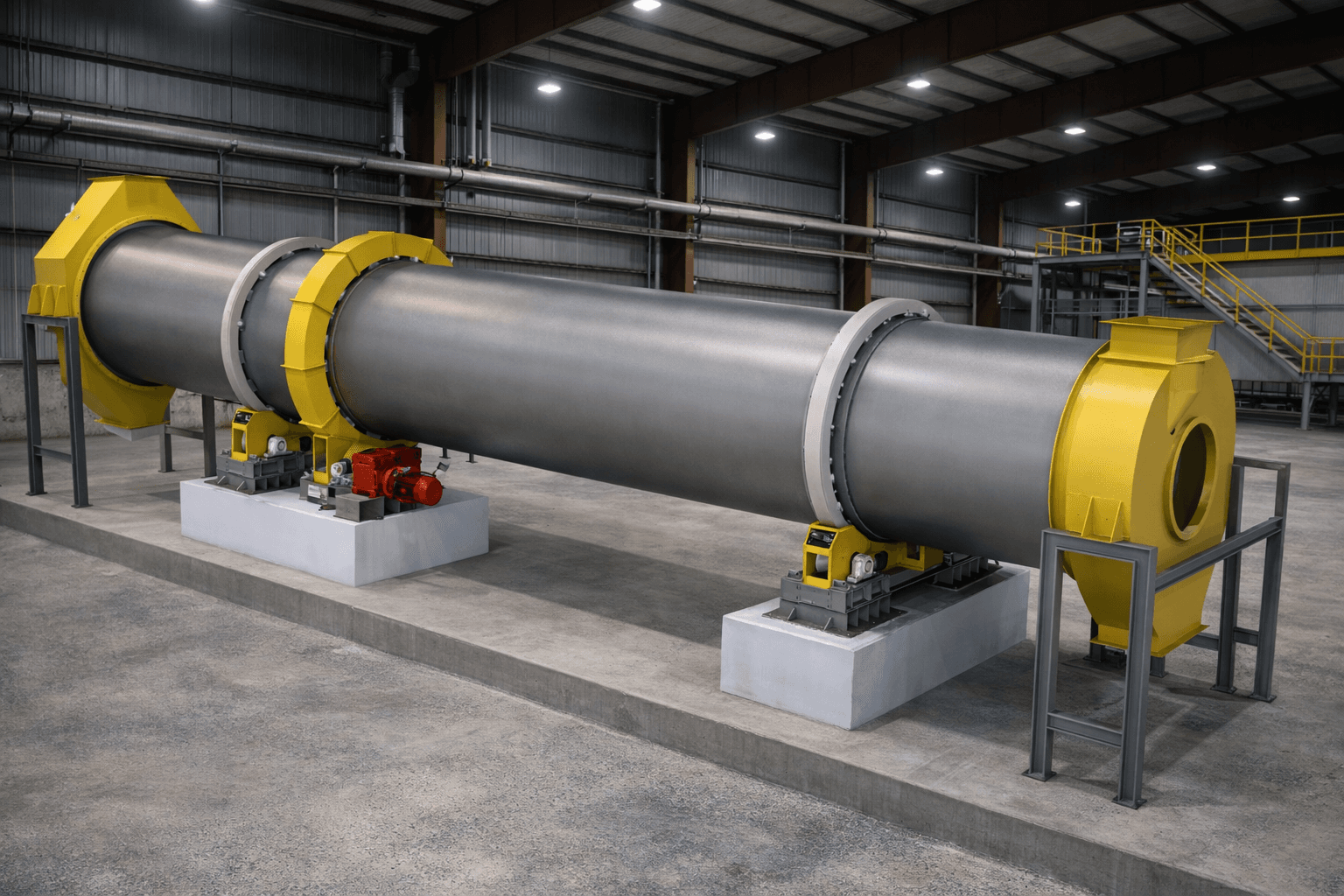
PRO MAKINA · Rotary Drum Cooler
Overview
A rotary cooler is a rotating drum in which granular or particulate product leaving drying or granulation at high temperature is cascaded through a stream of ambient air and cooled. No fuel or burner is used; heat is transferred from the product to the air passing over it.
Product that is screened, coated or bagged while still hot is more prone to caking in storage, sweating inside the bag and poor adhesion of coating agents. The rotary cooler is therefore placed at the end of the line so that product reaches the following steps at a suitable temperature.
Drum diameter and length are determined by product rate, inlet and target outlet temperature, airflow and how sensitive the product is to breakage. Internal flights are selected to increase air contact without overstressing the granules.
01Process Flow
The diagram shows the typical position of the rotary cooler after drying or granulation and the path followed by the cooling air.
Scroll horizontally to view the full diagram.
Hot product inlet: Hot product from the dryer or granulator is fed steadily to the drum.
Cascading and contact: Flights lift the product and shower it through the airflow.
Controlled transport: Slope and speed provide the residence time needed to reach target temperature.
Cool product discharge: Product is sent to screening, coating or packing.
Air intake: Ambient air enters the drum in the direction that brings it into contact with the product.
Dust separation: Warmed air passes through a cyclone and filter to remove dust.
Fan and stack: The process fan drives the airflow and keeps the drum under negative pressure.
Fines carried by the cooling air are captured in the cyclone and filter; whether collected material is returned to the line depends on product quality.
02Applications
01Cooling NPK, organomineral and similar granular fertilizers that leave the dryer hot, before screening and packing. Flight design is matched to granule strength.
Fertilizer Plants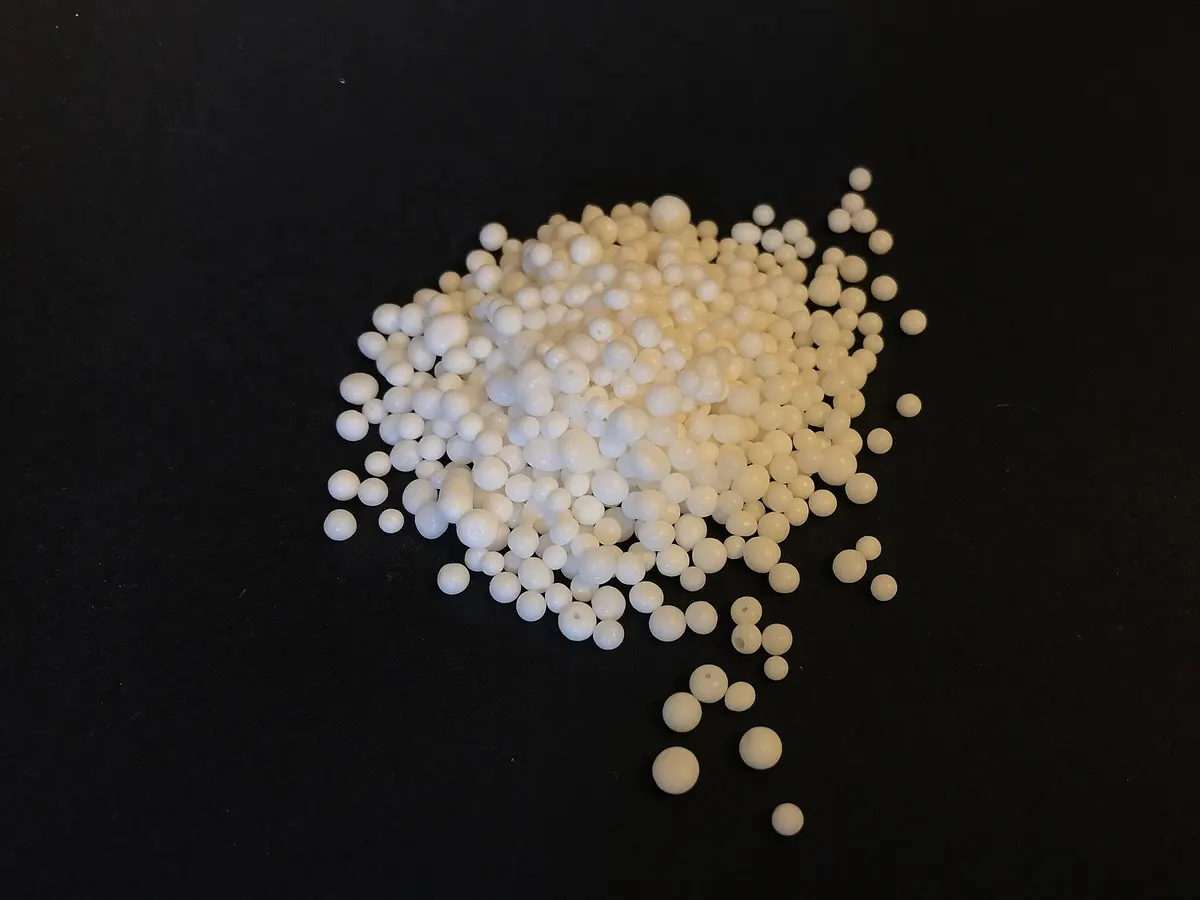 02
02Lowering the temperature of hot product from a rotary dryer before storage. When dryer and cooler are sized together, the heat balance of the line is set correctly.
Rotary Dryer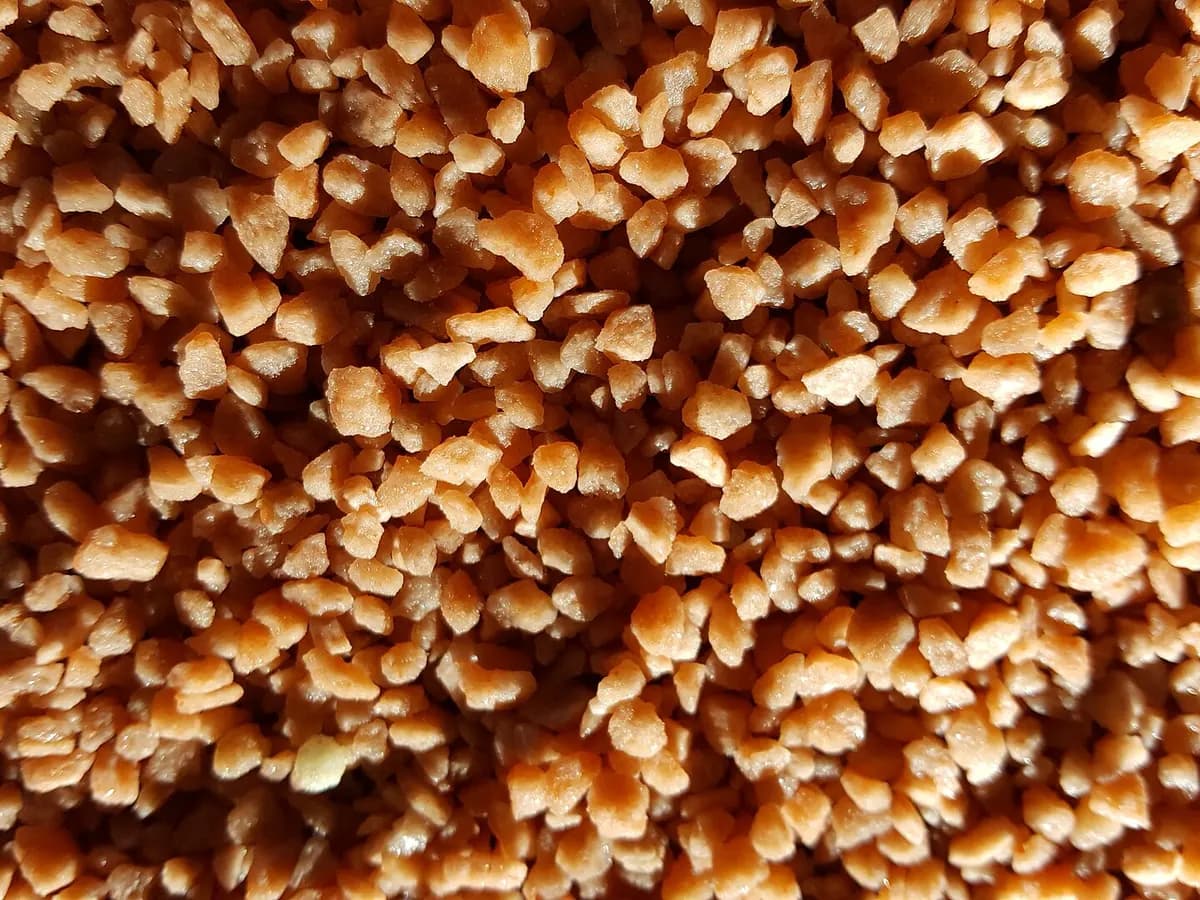 03
03Cooling heat-treated minerals, salts and compacted products before conveying and stockpiling. For abrasive products, shell and flight materials are chosen accordingly.
Mining and Mineral Processing03Design & Manufacturing
PRO MAKINA engineers rotary coolers around product rate, inlet and target outlet temperature, breakage sensitivity and the air system of the plant. The drum shell, flights, air inlet and outlet hoods and the fan, cyclone and filter connections are designed together.
Product Data
Product type, particle size, bulk density and breakage sensitivity.
Capacity and Temperature
Hourly product rate, inlet temperature and target outlet temperature.
Air System
Ambient air conditions, airflow, dust load and filter requirement.
Mechanical Design
Drum dimensions, shell and flight material, drive and supports.
Line Integration
Connections to dryer discharge, screening, coating and packing.
The achievable outlet temperature depends on ambient air conditions; hot climates and summer operation are considered separately in the design.
04FAQ
No. A rotary cooler has no heat source; heat from the hot product is transferred to ambient air passing through the drum, and the air is drawn by a fan to the dust collection system.
A rotary cooler is not designed for moisture reduction. Target moisture is achieved in the dryer; the cooler lowers product temperature to a level suitable for the next steps.
Product bagged or stored hot is more prone to caking, sweating inside the bag and poor adhesion of coating agents. Cooling at the end of the line reduces these risks.
Target outlet temperature depends on the next process step and ambient air conditions. Product rate, temperature difference, airflow and residence time are calculated together.
Product type, hourly rate, inlet and target outlet temperature, particle size, the climate at the plant location and the existing dust collection equipment.
05Resources
Technical Quotation
Share your product rate, inlet and target outlet temperatures and site conditions, and we will define the cooler and its air system together with you.
This site uses cookies required to run the website securely and correctly. With your consent, additional cookies may be used for performance measurement, user experience and marketing. For details see the Cookie Policy and Privacy Policy pages.