 01
01Sewage Sludge Stabilization
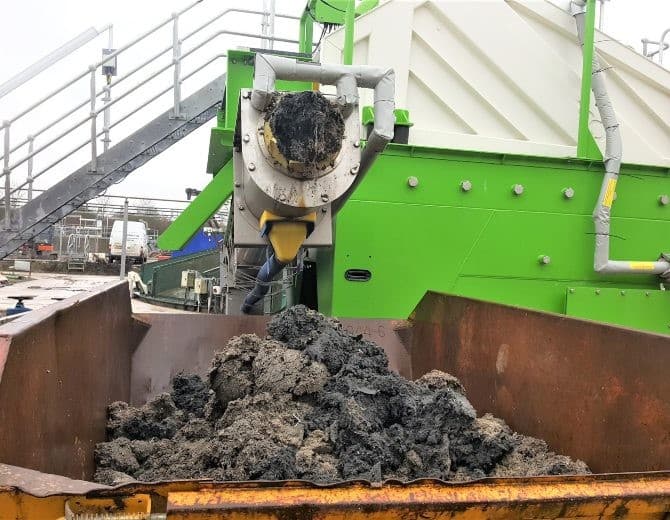
Bringing dewatered sewage sludge into a more stable and handleable condition by thermal treatment. Target conditions depend on the subsequent use or disposal route of the sludge.
Sewage Sludge and TreatmentIndustrial Plant Solutions
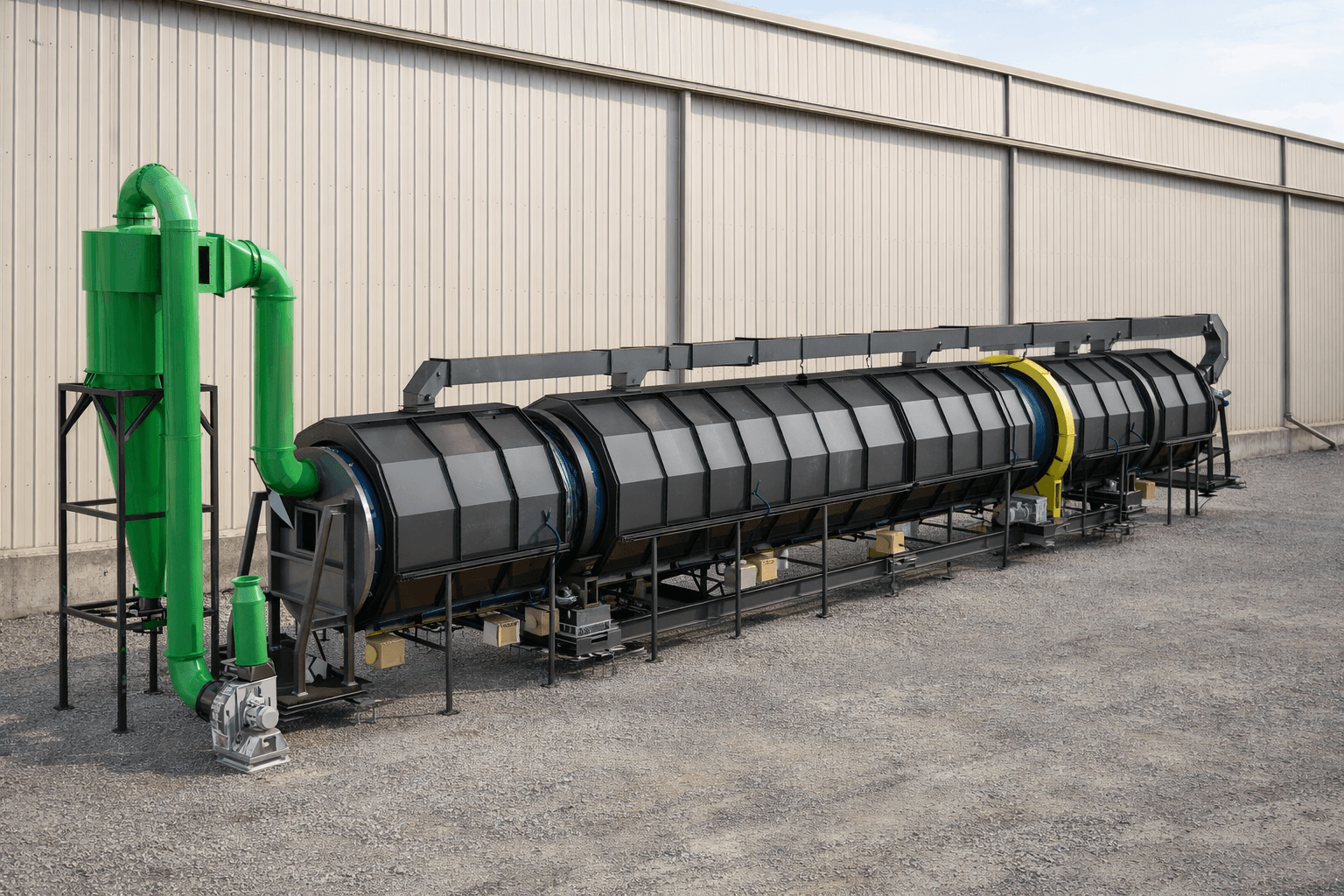
PRO MAKINA · Thermal Treatment and Stabilization Drum
Overview
A sterilization and stabilization drum is thermal treatment equipment in which sewage sludge, digestate, organic waste and similar materials are mixed in a rotating drum and held at a defined temperature for a defined time. The aim is to bring the product into a more stable, odour-controlled and handleable condition for the following steps.
Temperature and residence time are at the centre of the design: the heat source (hot air or steam), drum length and speed are determined together so that all of the product reaches the target condition. Moisture and stickiness of the product influence the choice of internals and cleaning access.
Target temperature and time values are defined at the project stage according to the product type, applicable regulations and plant permit conditions. Gas and vapour extracted from the drum are sent to a treatment system for odour control.
01Process Flow
The diagram shows the typical position of the thermal treatment drum in a sludge or organic waste line, together with the heat source and gas/odour line. Dewatering, drying and composting are carried out by separate equipment.
Scroll horizontally to view the full diagram.
Feeding: Dewatered sludge or organic product is fed steadily and in a controlled way.
Heating: The product is mixed in the drum and brought to the target temperature.
Holding at temperature: Residence time keeps the product at the target condition for the defined time.
Discharge and next step: Product goes to cooling, intermediate storage or the next process.
Heat source: A hot air generator or steam connection, per project, supplies heat to the drum.
Gas and odour treatment: Gas and vapour extracted from the drum are sent to treatment.
The next step for the drum output (drying, composting, storage or disposal) is defined by the plant concept.
02Applications
01Bringing dewatered sewage sludge into a more stable and handleable condition by thermal treatment. Target conditions depend on the subsequent use or disposal route of the sludge.
Sewage Sludge and Treatment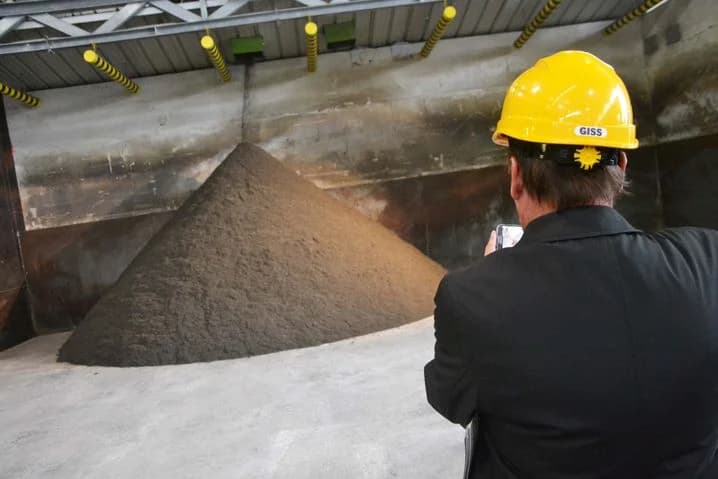 02
02Thermal treatment of digestate from biogas plants and similar biological by-products before the next process. Product moisture and flow behaviour determine the feeding design.
Sludge-to-Compost Plant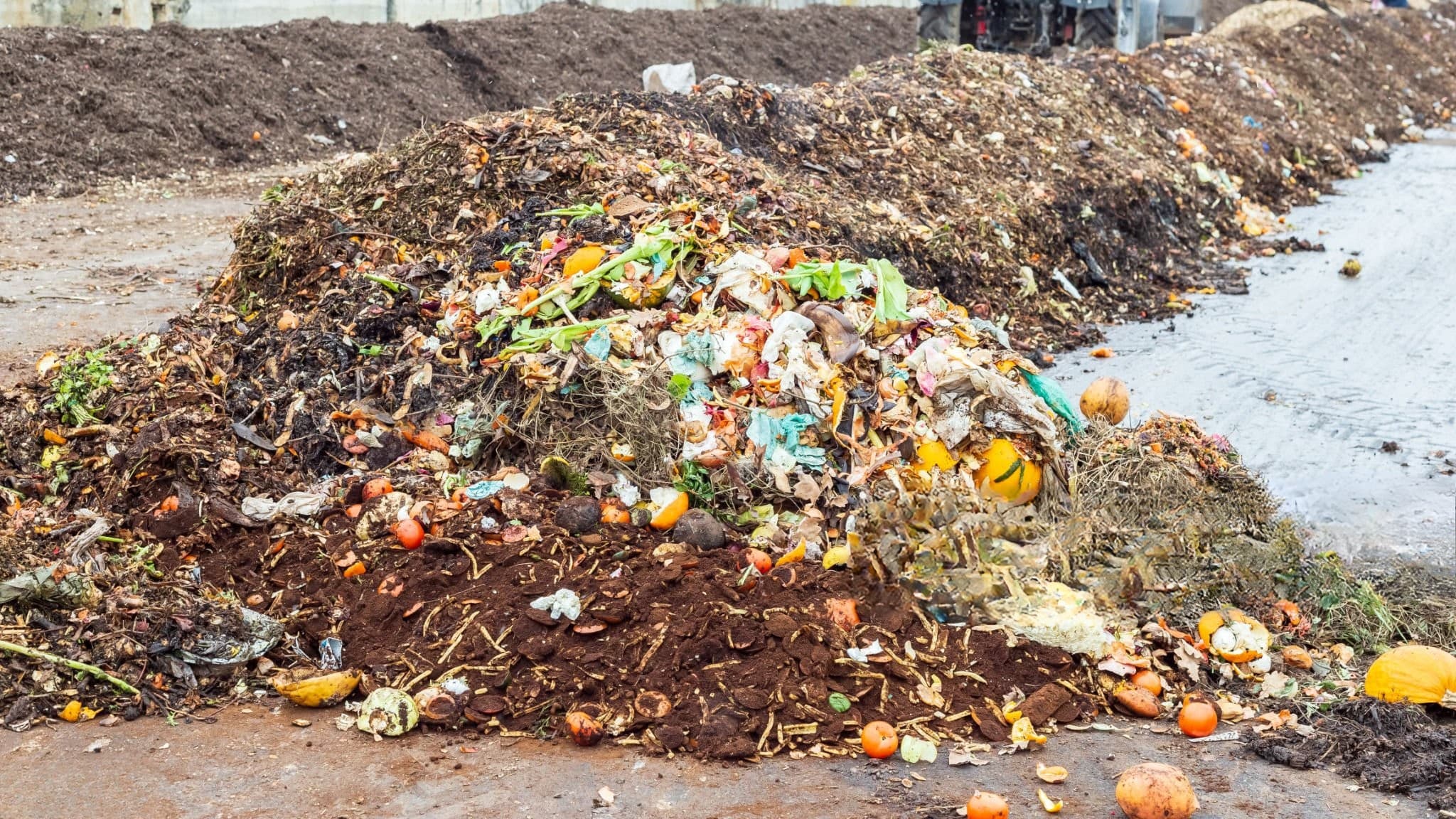 03
03Preparing organic waste fractions by controlled thermal treatment before composting or other processes. Conditions to be applied follow the relevant regulations and plant permit.
Organic Waste Processing Plant03Design & Manufacturing
PRO MAKINA engineers thermal treatment and stabilization drums around product type, capacity, target temperature and time and the heat source available at the plant. The drum shell, internals, sealing, heat connection, gas extraction and measurement points are designed together.
Product Data
Product type, dry solids content, density and stickiness.
Target Conditions
Target temperature and time defined by regulations and permit.
Heat Source
Hot air generator, steam or an existing heat source at the plant.
Gas and Odour
Extracted gas volume, odorous compounds and treatment method.
Plant Integration
Connections to dewatering, drying, composting and storage.
Target temperature and time values are not stated on this page; for each project they are defined together according to regulations, product properties and permit conditions.
04FAQ
The drum applies controlled thermal treatment, but on its own it does not guarantee sterility or removal of a specific pathogen. Whether the targeted hygiene condition is met must be verified by analyses in line with regulations.
Target temperature and time are defined at the project stage according to product type, applicable regulations and plant permit. Drum length, speed and heat source are sized for these targets.
Depending on the project, a hot air generator or a steam connection can be used. If waste heat or an existing steam source is available at the plant, integration is assessed.
The drum operates under negative pressure and extracted gas and vapour are sent to a treatment system. The method is selected by gas volume, odorous compounds and plant permit.
Product type and dry solids content, daily or hourly capacity, target temperature and time (or the regulation to comply with), available heat source and the next process step.
05Resources
Technical Quotation
Share your product, capacity and the target conditions you must meet, and we will define the drum, heat source and gas line together with you.
Sharing existing product analysis results allows the process conditions to be assessed more accurately.
This site uses cookies required to run the website securely and correctly. With your consent, additional cookies may be used for performance measurement, user experience and marketing. For details see the Cookie Policy and Privacy Policy pages.