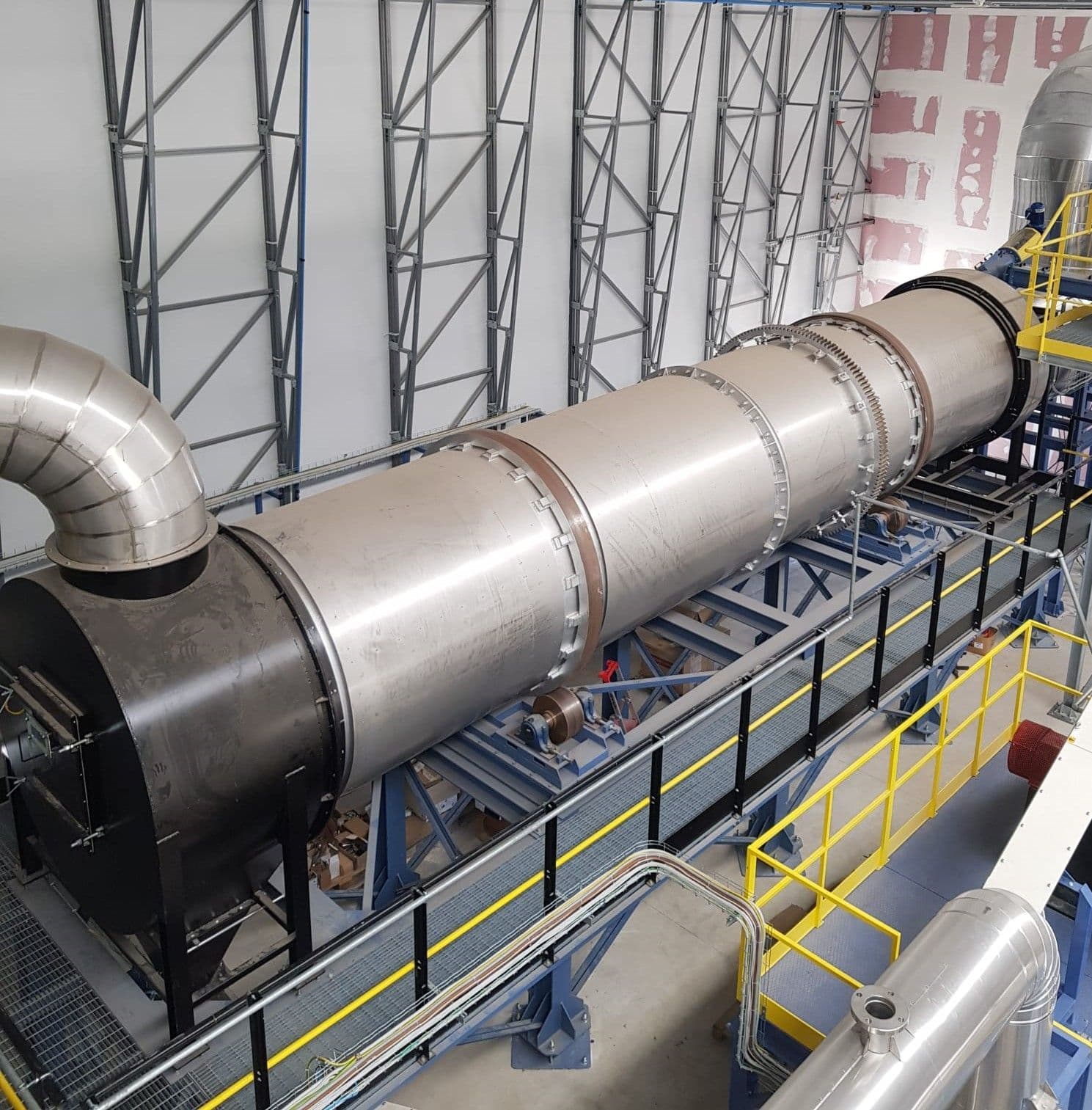
Rotary Drum Systems
Drum systems for drying, cooling, granulation, coating and composting are designed around the product's moisture, particle size, temperature and residence time requirements.
Industrial Plant Solutions
PROCESS MACHINERY AND EQUIPMENT
We design, manufacture and integrate into plant lines machinery and equipment tailored to capacity and product properties for drying, conveying, crushing, screening, storage, dosing, mixing and product preparation processes.
Drum systems for drying, cooling, granulation, coating and composting are designed around the product's moisture, particle size, temperature and residence time requirements.

Belt conveyors, screw conveyors, chain conveyors and elevators move bulk solids, powders and granules through the plant in a controlled, safe and continuous way.
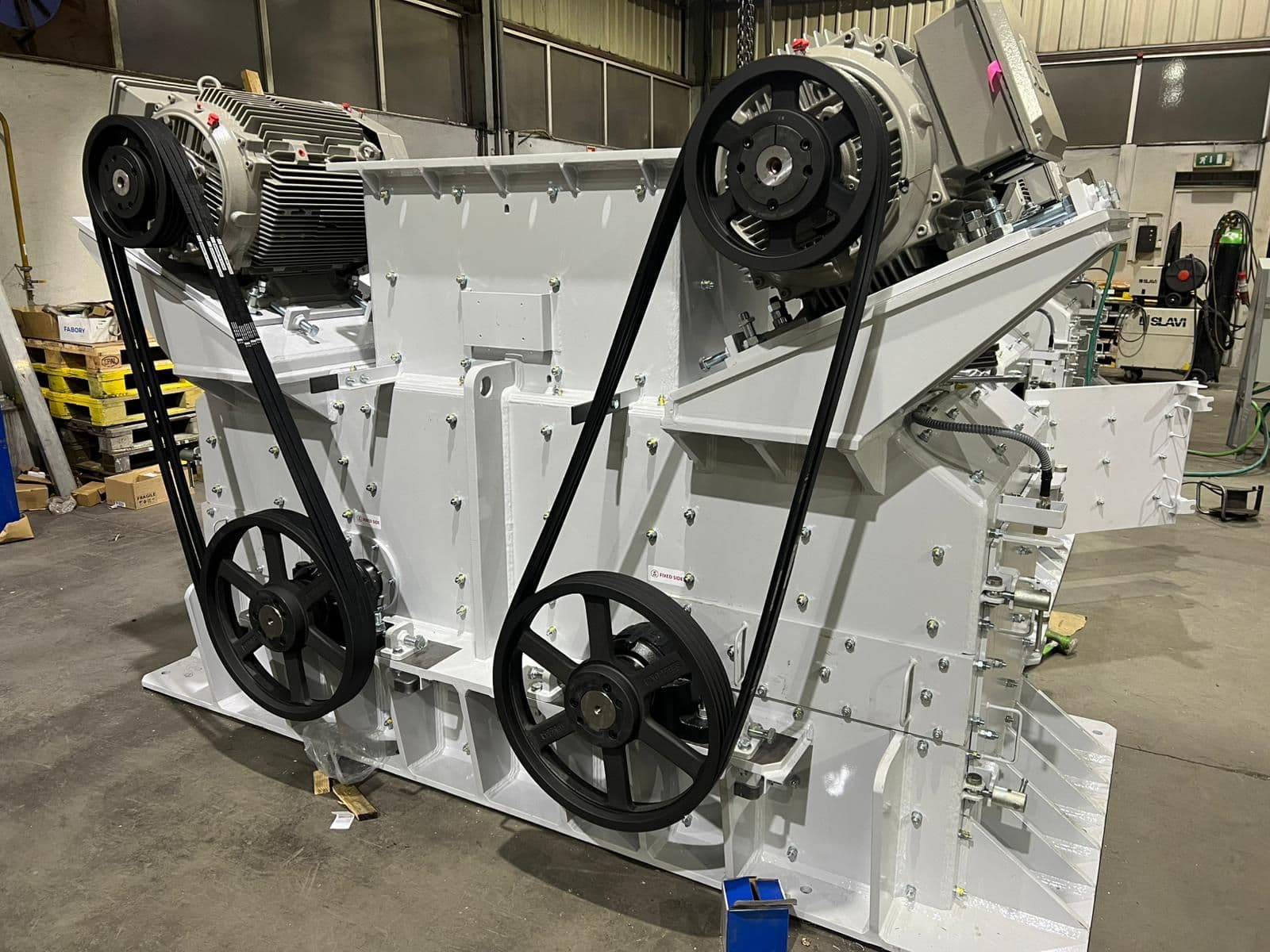
Crushers and shredders reduce raw material size, break up lumps, provide uniform feed ahead of the process and help downstream equipment work efficiently.
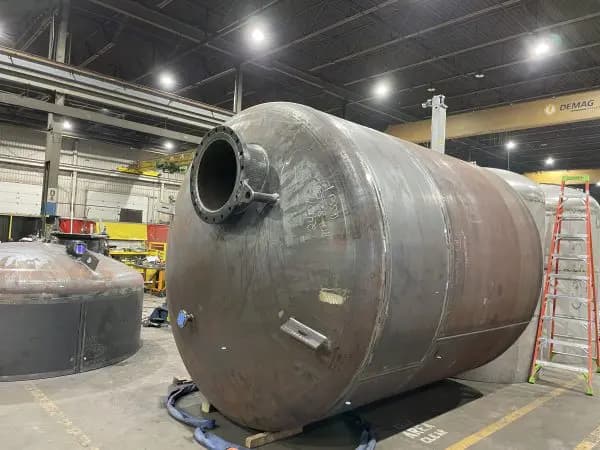
Reactors and process tanks are engineered for the material properties of liquid fertilizer, chemical processes, mixing, dissolving, storage and reaction applications.
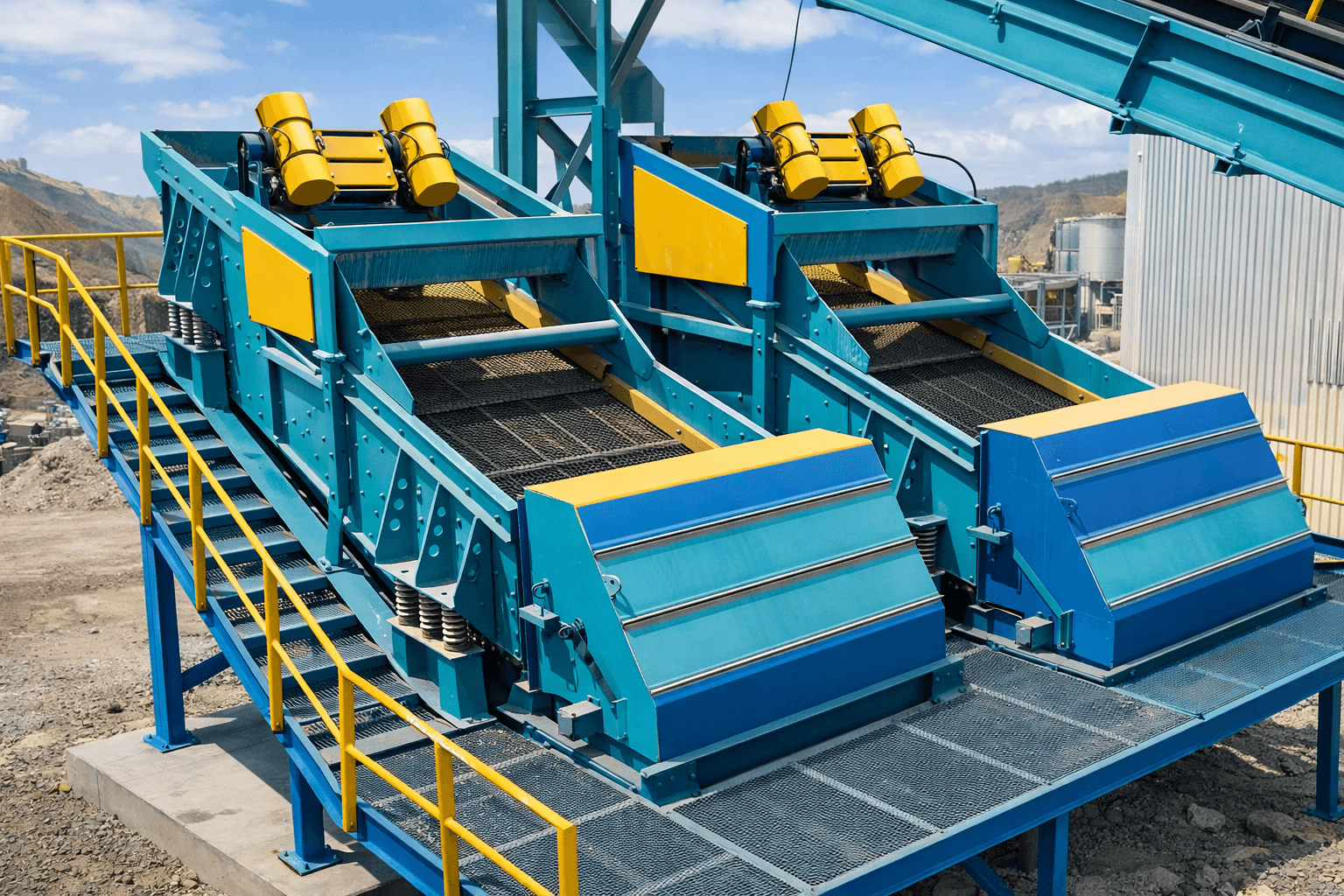
Screening and classification systems separate products by particle size, manage recycle streams, deliver the required fraction and protect final product quality.
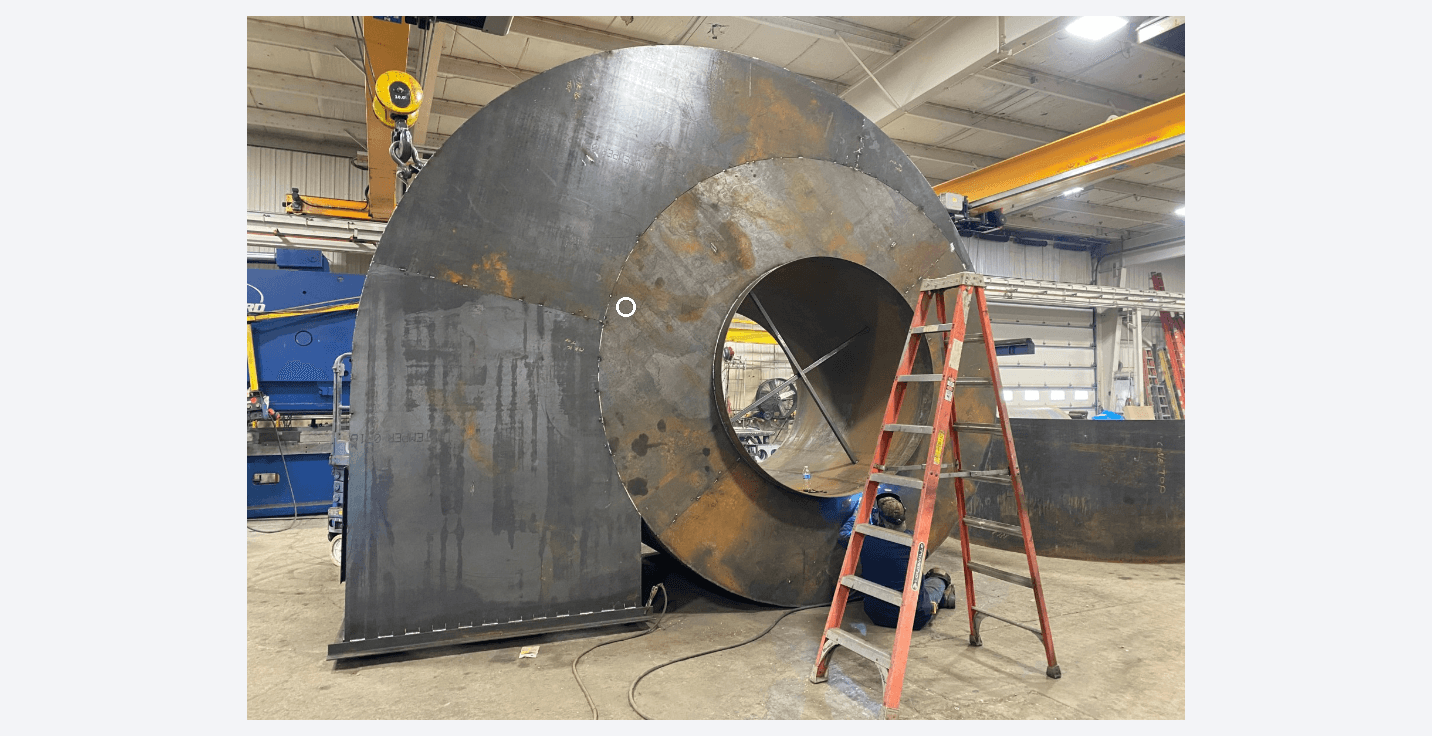
Cyclones, pulse-jet filters, fans and ducting are designed to control the dust generated in drying, crushing, screening and conveying lines and to manage process air.
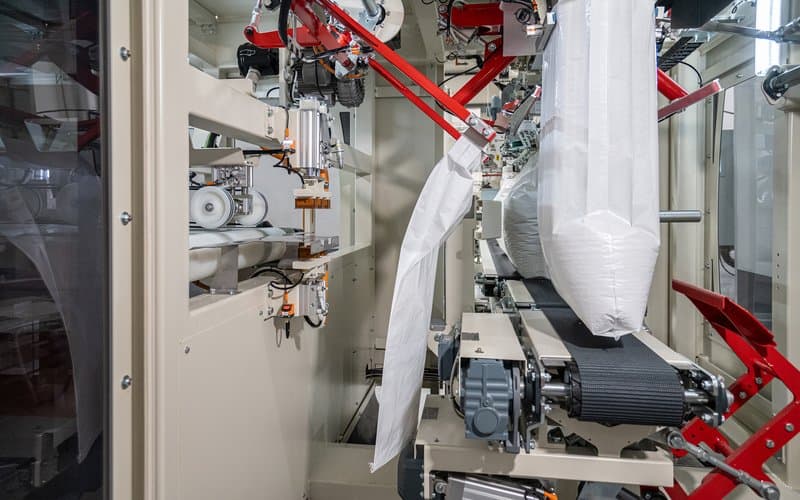
Packaging and filling systems dispatch powder, granular and liquid products in bags, big bags, bottles or drums in a controlled, weighed and traceable way.
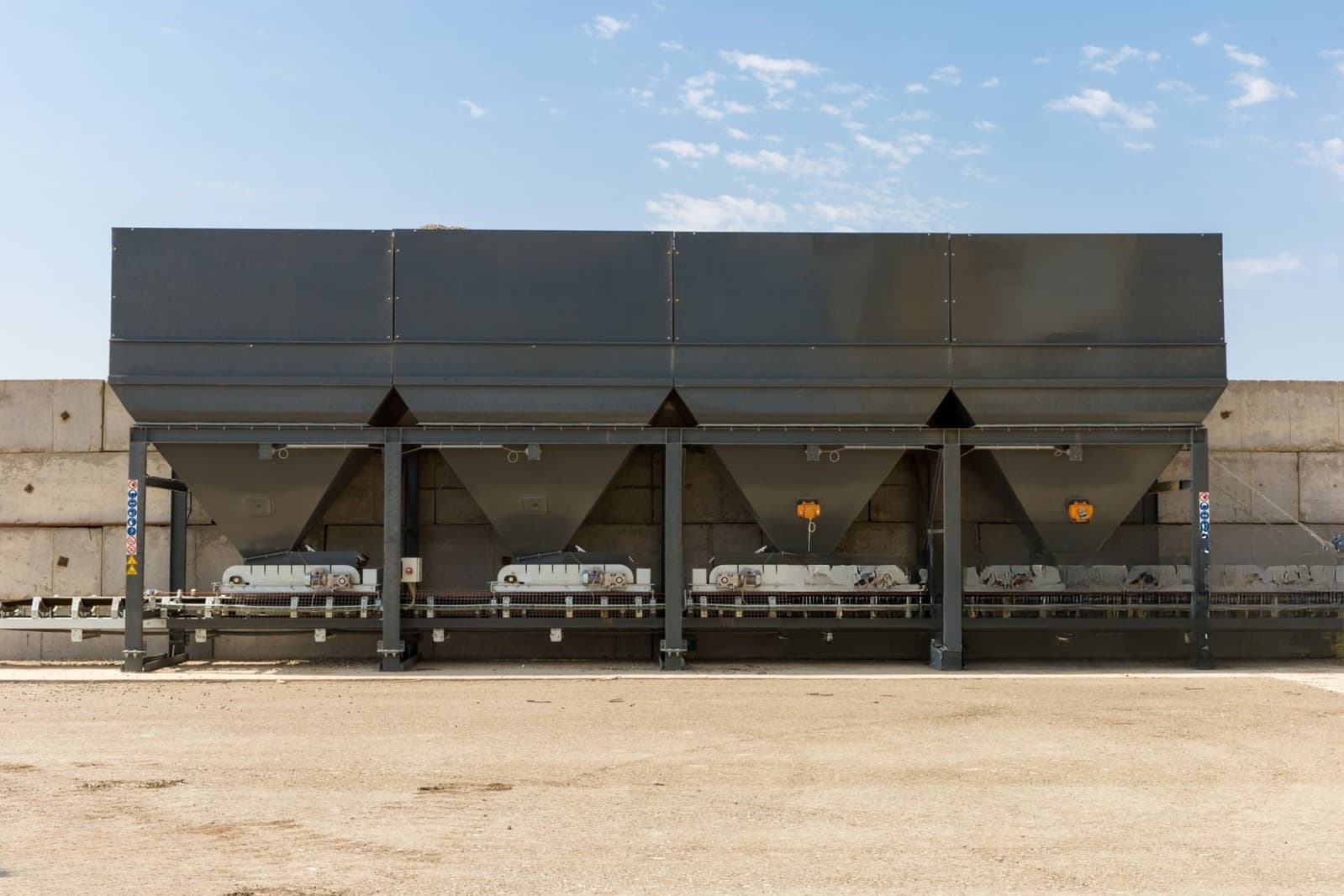
Silos, bunkers, feed hoppers and controlled discharge equipment deliver raw material steadily to the process, smooth capacity fluctuations and keep the line running continuously.
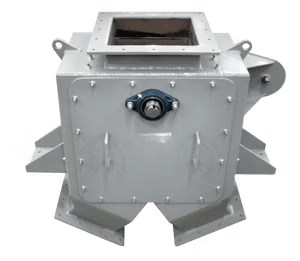
Flap valves, rotary valves, distributors, air ducts and connection equipment control and direct the flow between the main process machines and make plant operation more balanced.

Micro and macro dosing systems are developed to manage raw material ratios correctly in recipe-based production, provide weighed feeding and keep the process repeatable.
The right machine cannot be selected by looking at hourly capacity alone. Two production lines with the same capacity may need completely different equipment combinations because of product moisture, particle size, density, temperature sensitivity, abrasiveness, stickiness and flowability. The first step is therefore to define the raw material's inlet conditions and the target output quality. Residence time and air flow in the drying drum, inclination and spillage risk on the conveyor, target product size in the crusher, fraction range on the screen, bridging risk in the silo and weighing accuracy in the dosing system are assessed together. Site layout, maintenance access, automation level, energy infrastructure, dust control and connection points to the existing line are also critical criteria. Pro Makina reads this data with a process design and engineering approach and aims for the continuity of the whole plant flow as much as for individual machine performance. This allows a more balanced solution between the capacity target on day one and the real operating conditions on site.
A machine usually works correctly only together with the feeding equipment before it and the take-off equipment after it. Machinery manufacturing should therefore consider raw material receiving, conveying, drying, classification, storage, dosing and packaging within the same process flow.
For high-moisture products, energy balance, air flow, dust control and product outlet moisture are assessed within the same design.
Drums and conveying equipment are selected by reading recipe, moisture, recycle ratio and final granule quality together.
From waste reception to product preparation, shredding, mixing, drum, screening and odour control equipment are planned together.
For line continuity, bunker volume, conveyor type, elevator height, silo discharge and dosing accuracy are calculated together.
In fertilizer, compost, mining, chemical, waste, biogas and bulk solids lines, machine selection changes with the product behaviour of the industry. You can review process requirements more closely on the related industry pages.
Project engineering starts with understanding the process requirement and continues with manufacturing, assembly, commissioning and maintenance support. The aim is for each piece of equipment to support not only its own duty but also the process steps before and after it.
When preparing a technical quotation, process data matters as much as the machine name. Once product and site information is shared, capacity, material standard, motor power, automation scope and equipment integration can be defined more accurately.
We have summarised the questions we are asked most often during selection, integration and quotation below. For more technical information, share your project data and talk to our engineering team.
No. Capacity is an important starting value, but it is not enough on its own. The product's moisture content, particle size, density, flowability, abrasiveness, temperature requirement, operating time and plant layout must be assessed at the same time. Two processes with the same capacity may need a different drum, conveyor, screen or dosing system because of different raw material behaviour. For the right selection, the sample, operating scenario, maintenance access and target product quality should also be read together.
Depending on the process requirement, both standardised equipment groups and project-specific machinery can be considered. The design is finalised according to product properties, capacity target, site dimensions, maintenance access, connection points and automation expectations. The aim is not just to produce a single machine but to make the equipment work at the right point and with the right duty within the whole line. Sizing, material selection and auxiliary equipment connections are therefore handled together with the project data.
A rotary dryer requires inlet and outlet moisture, product density, particle size, target capacity, temperature limit, fuel or energy preference, the product's sticking behaviour and dust potential. It is also important that the fan, cyclone, filter, feeding and discharge equipment are selected to match the drum. For this reason, drying equipment is usually treated not on its own but as a thermal process line. Site layout, stack connection and emission control expectations should also be shared in the first assessment.
Conveying equipment is selected according to the material's flow behaviour, density, particle size, moisture, distance, inclination, level difference and the required feeding accuracy. Belt conveyors stand out for long and horizontal transfers, screw conveyors for controlled feeding and elevators for vertical transport. Dust generation, cleaning requirements and maintenance access are also decisive. Spillage risk, speed control, the need for an enclosed casing and the feed tolerance of the next equipment must also be considered.
Crushers and shredders are used to break up lumpy products, reduce raw material size, prepare organic waste for the process and provide more uniform feed ahead of screening. Different blade, hammer or jaw designs may be preferred in fertilizer, compost, recycling, mining and bulk solids processes. The selection depends on product hardness and the target output size. Feed continuity, foreign material risk and maintenance intervals also influence the choice of the right model.
In some lines a dust collection system can be added later; however, the best approach is to identify dust sources at the start of the project. Suction points, duct diameters, fan air flow and cyclone or filter selection should be designed together at drying, crushing, screening, packaging and transfer points. This makes both the working environment and process efficiency more controlled. If it is added to an existing line, pressure losses, available space and maintenance access must be checked separately.
In packaging and filling systems, product form, target packaging type, weighing accuracy, capacity, dust generation, operator intervention and automation level are assessed together. Powder, granular and liquid products have different requirements. Big bag, open-mouth bagging, liquid filling or bottling lines should be engineered according to product flow and dispatch format. Outlet conveyors, palletising, labelling and quality control steps should also be included in the final line design. The dispatch arrangement is assessed within this scope as well.
Dosing systems are critical in recipe-based production, in processes where additive ratios must be managed accurately and in lines where a continuous feed balance must be maintained. Micro or macro dosing may be preferred in granular fertilizer, organomineral fertilizer, chemical blend, powder product and bulk solids processes. Weighing, speed control and automation integration are decisive in the selection. Product flowability, bunker outlet geometry and the level of operator intervention must also be considered for stable dosing. A calibration plan is therefore important as well.
Yes, new machinery or equipment can be integrated into existing plants. This requires reviewing the existing line capacity, feed and discharge levels, electrical and automation infrastructure, maintenance areas, supporting structures and process bottlenecks. The aim is for the new equipment not only to fit mechanically but to deliver real benefit across the whole process flow. In revision projects, downtime, connection details, a safe assembly sequence, site safety and communication with the existing automation should also be planned.
For a technical quotation, share the product properties, capacity target, moisture and particle size, operating time, site dimensions, expected process flow and any existing drawings or photos. If sample or product analysis information is available, the selection can be made more reliably. With this data, the machine type, material standard, motor power, automation scope and integration needs become clear. The target delivery date, packaging format and any list of existing equipment also speed up the quotation scope.
Contact us for compost plants, fertilizer plants, machinery and equipment, sludge drying or technical consultancy requests.
This site uses cookies required to run the website securely and correctly. With your consent, additional cookies may be used for performance measurement, user experience and marketing. For details see the Cookie Policy and Privacy Policy pages.