 01
01Silica Sand Preparation
Wet screening silica sand to the target size range and removing fines. The subsequent drying step is carried out by separate equipment.
Rotary DryerIndustrial Plant Solutions
Illustrative process photo
Overview
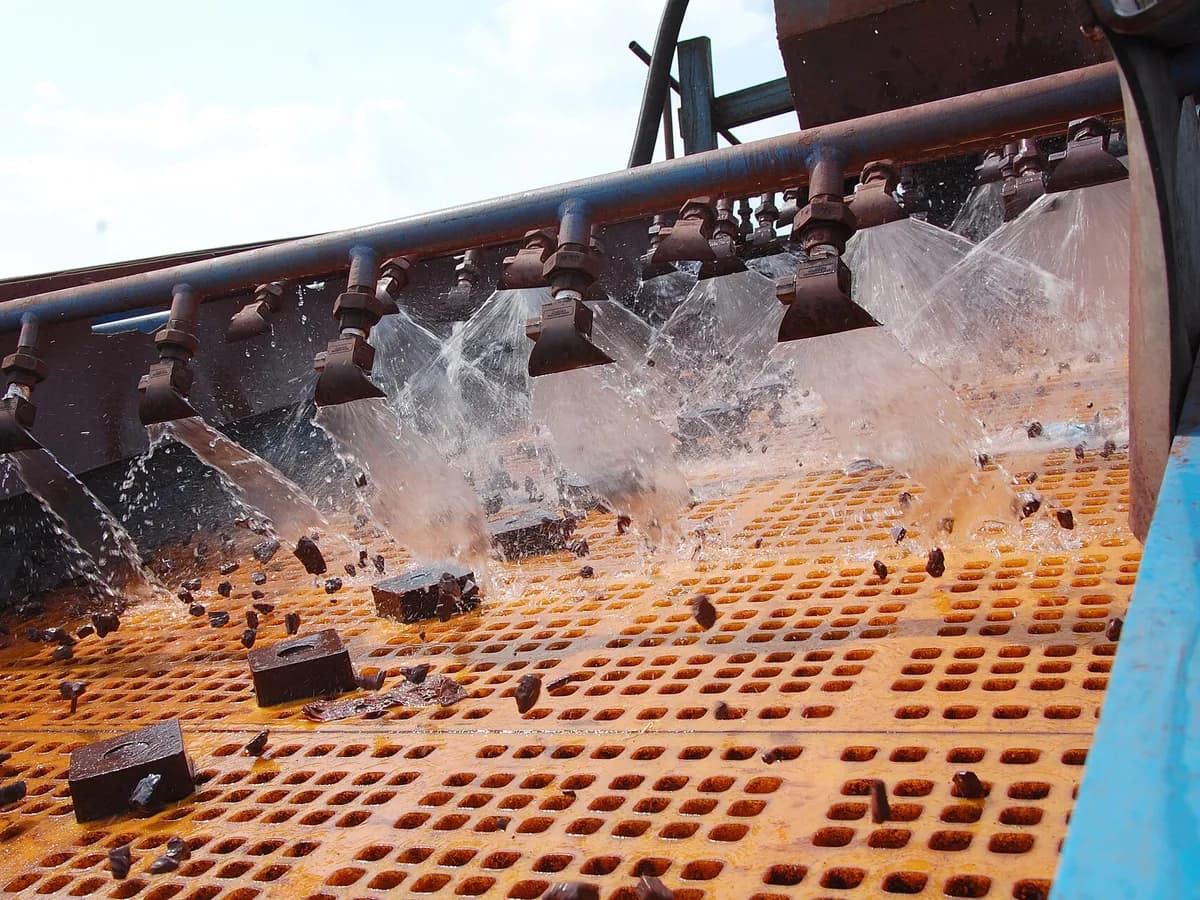
A wet screen is a screening system in which material is screened together with water on a vibrating deck and separated into fractions by particle size. Water helps fine particles detach from coarse particles and from each other and pass through the apertures; it is also used to remove clay and fines from sand and aggregate.
Water can be supplied with the material as a wet feed or through spray pipes and nozzles above the deck. The number, position of nozzles and water quantity are set for the material and target fractions; not every wet screen uses high-pressure spraying.
Oversize fractions retained on the decks leave through separate outlets. Fines passing the deck are collected together with water as a wet stream and usually sent to the next steps in the plant such as dewatering, hydrocyclones or settling.
01Process Flow
The diagram shows the flow in which raw material and water are fed to the screen, separated by size through water-assisted screening, and oversize and undersize fractions leave through separate outlets. Dewatering, water recovery and slurry handling are separate steps in the plant.
Scroll horizontally to view the full diagram.
Raw material feed: Material is fed wet, or dry with water added at the screen inlet.
Wet screening: On the vibrating deck, water helps fine particles pass through the apertures.
Oversize discharge: Coarse fractions retained on each deck leave through separate outlets.
Undersize stream: Fines and water are collected below the screen and sent to the next step.
Water supply: Water is supplied onto the deck by spray pipes or nozzles as required by the project.
Wet fines stream: Water collected with the fines goes to dewatering or settling.
Water quantity and distribution directly affect how fines pass the deck and how clean the fractions are; values are set for the material and target product.
02Applications
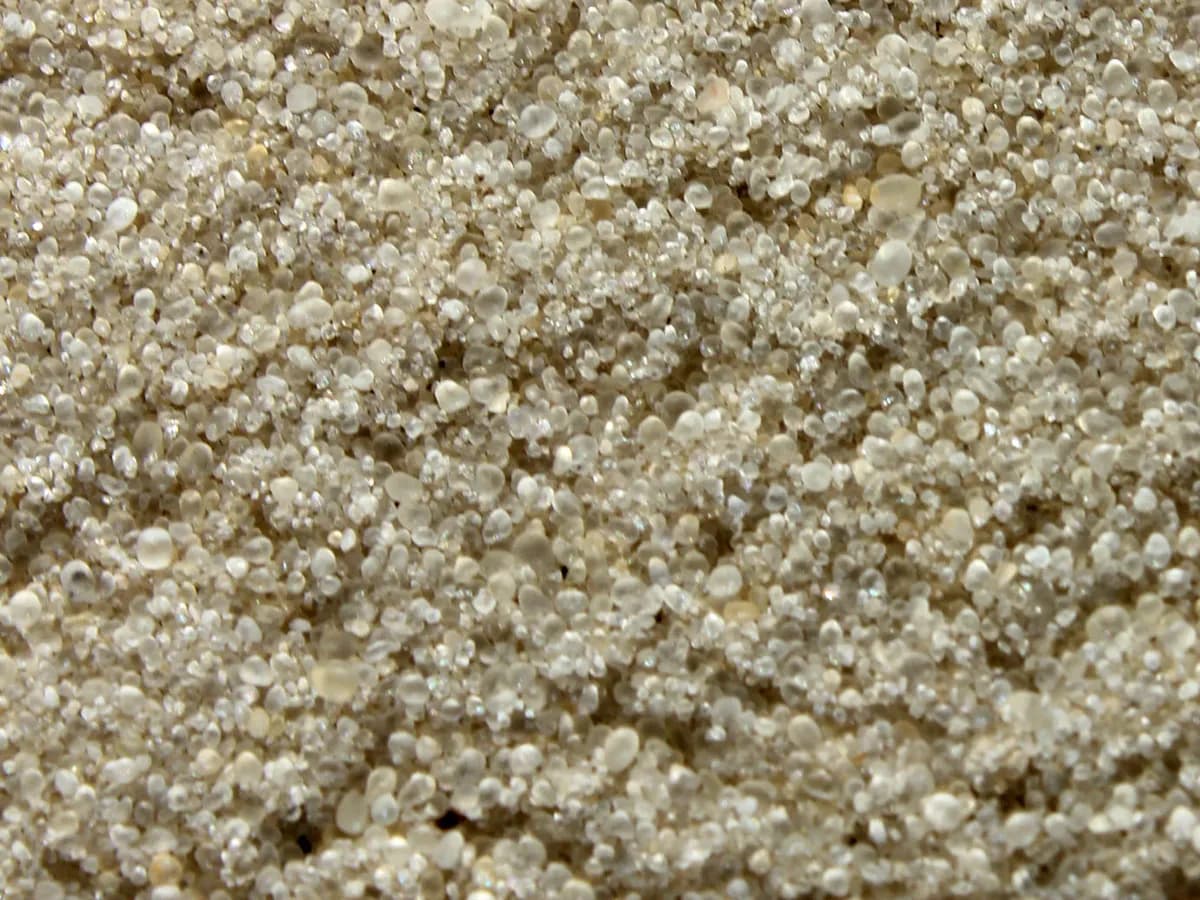
01Wet screening silica sand to the target size range and removing fines. The subsequent drying step is carried out by separate equipment.
Rotary Dryer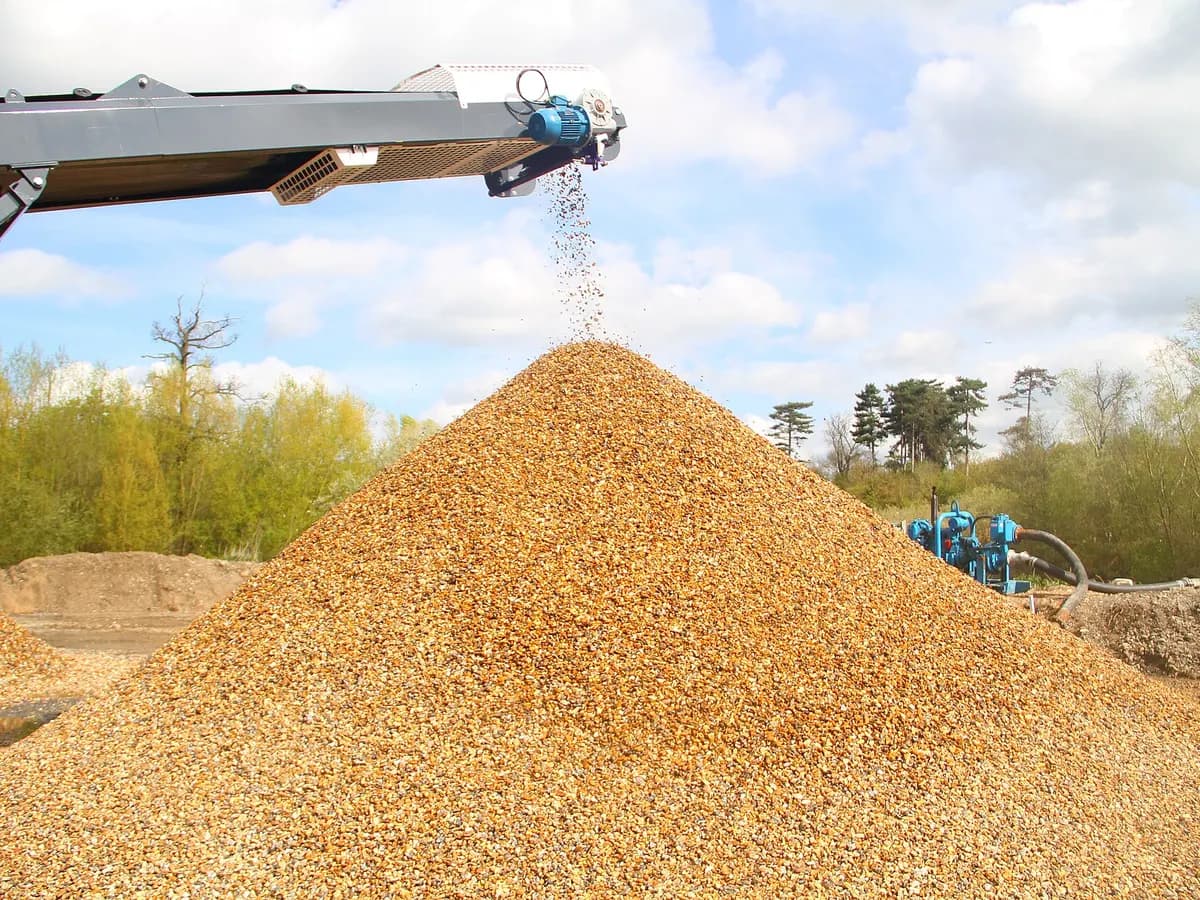 02
02Separating sand and gravel into fractions on the wet screen. The sand fraction passing the deck can be sent to a dewatering screen before stockpiling.
Dewatering Screen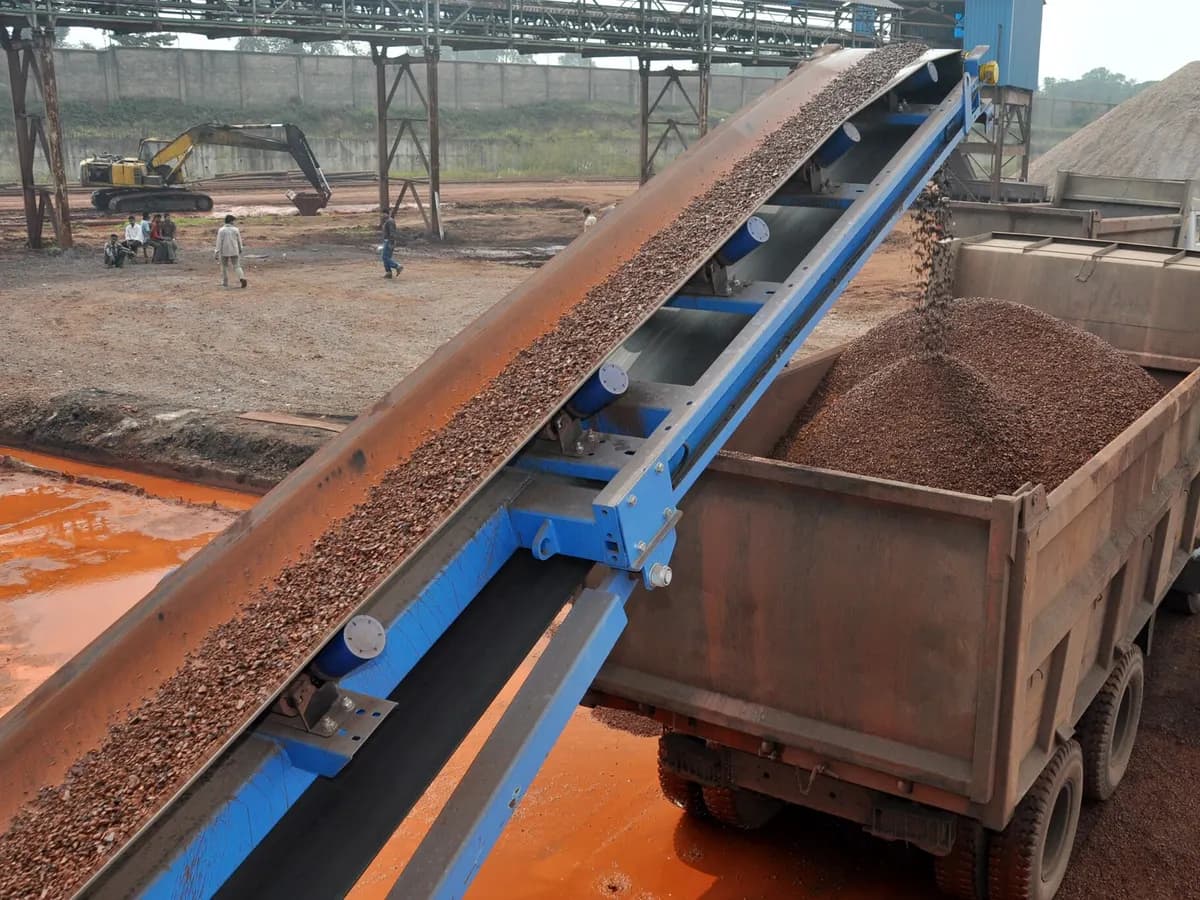 03
03Wet screening crushed ore into size classes before subsequent processing steps. Panel material is selected for the abrasiveness of the ore.
Mining and Mineral Processing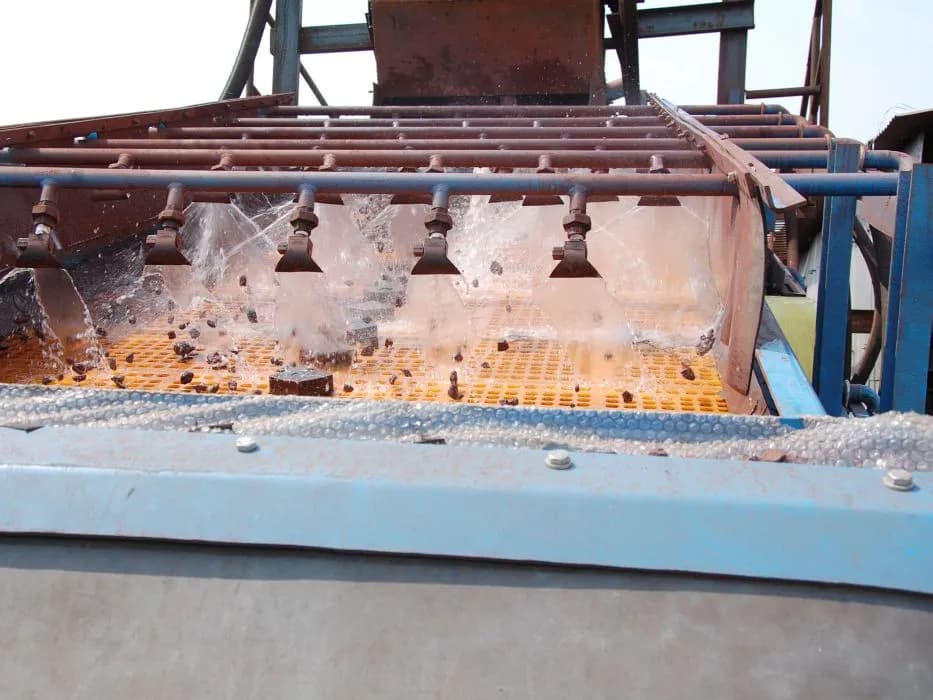
03Design & Manufacturing
PRO MAKINA engineers wet screens around the raw material, feed rate, size distribution and target fractions. Screen body and decks, screen panels, spray pipes and nozzles, vibration system, and oversize and undersize outlets are designed together.
Feed Rate
Raw material type, feed rate and feeding method.
Size Distribution
Feed size distribution, clay and fines content.
Water Flow and Distribution
Required water quantity, spray pipes and nozzles.
Aperture and Panels
Number of decks, apertures and panel material.
Fraction Handling
Oversize outlets, wet undersize stream and plant integration.
Screen area, aperture, number of decks and water demand are defined from material and target product data; no generic values are stated on this page.
04FAQ
Material is screened together with water on a vibrating deck. Water helps fines pass the apertures; oversize leaves over the deck, fines and water leave below it.
A wet screen separates product into fractions by water-assisted screening. A dewatering screen removes free water from wet product to reduce its moisture. The two can be used in sequence in a plant.
No. Water can be supplied as a wet feed or through spray pipes and nozzles. The method and water quantity depend on the material and target fractions.
Fines and water below the screen are collected and sent to the plant's next steps such as dewatering, hydrocyclones or settling; these are done by separate equipment.
Material type, feed rate, size distribution, clay and fines content, target fractions and the water source at the plant.
05Resources
Technical Quotation
Share your material, size distribution and target fractions, and we will define the wet screening system together with you.
This site uses cookies required to run the website securely and correctly. With your consent, additional cookies may be used for performance measurement, user experience and marketing. For details see the Cookie Policy and Privacy Policy pages.