 01
01Granular Fertilizer Classification
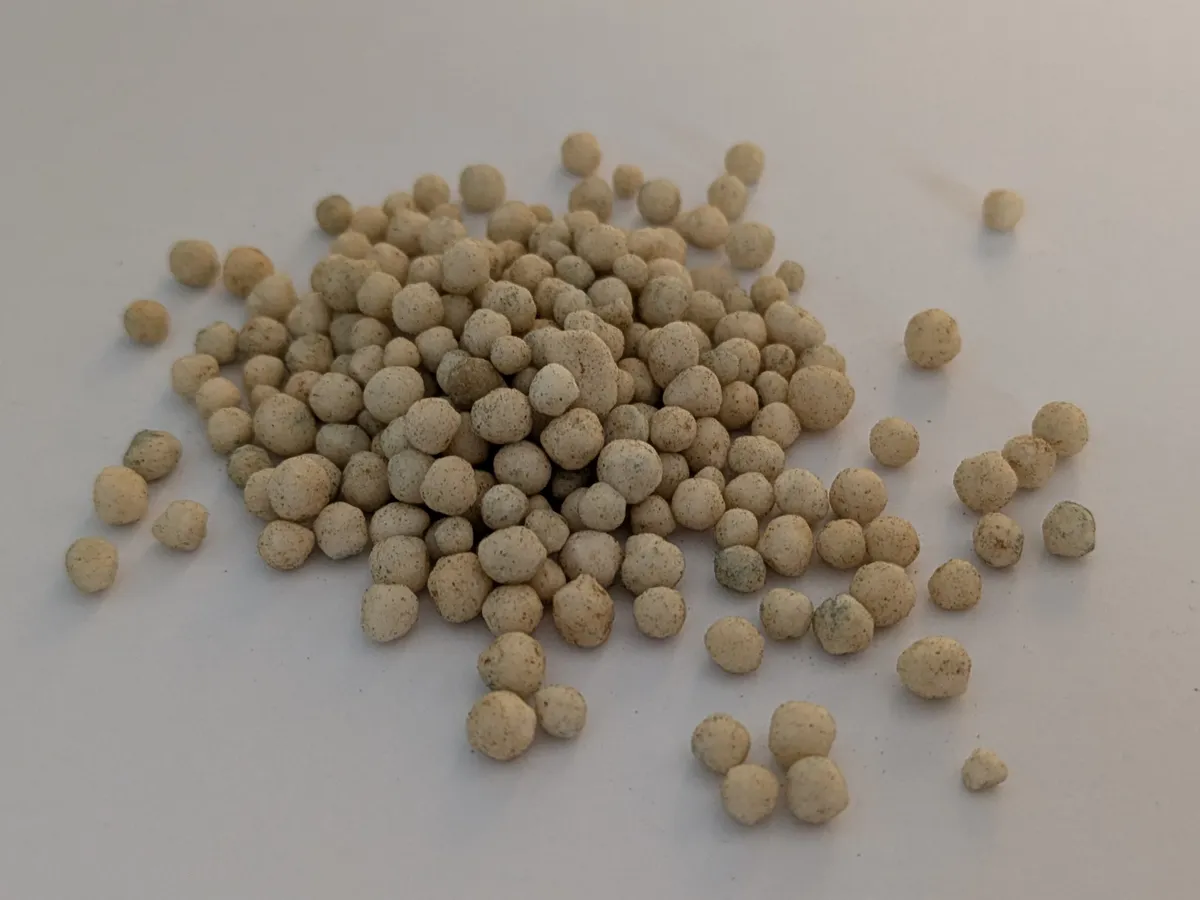
Separating granules after granulation and drying into product size, oversize and fines. Oversize can go to a crusher and fines to recycle.
Fertilizer and Granulation PlantsIndustrial Plant Solutions
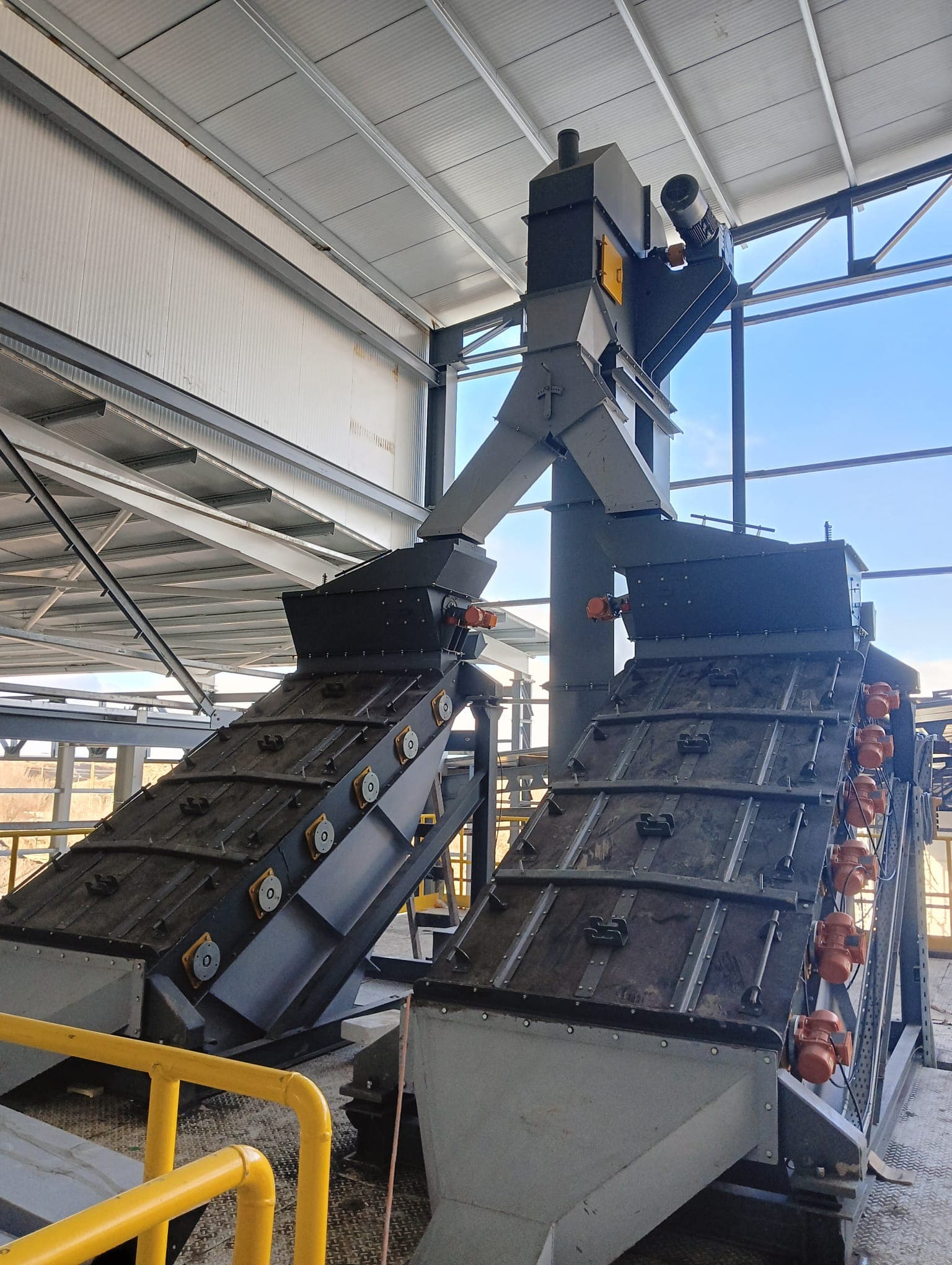
PRO MAKINA · Vibrating Screen
Overview
In a vibrating screen the material stratifies as it travels across the vibrating deck; particles smaller than the aperture pass through as undersize, while larger particles stay on top and leave through a separate outlet. The product is thus split into two or more fractions around the target cut size.
Screening efficiency mainly depends on feed rate and size distribution, aperture and open area, vibration amplitude and frequency, deck inclination and the depth of the material bed on the deck. Where several fractions are required, the screen can be designed with multiple decks.
Screen media can be woven wire, perforated plate or polyurethane/rubber panels, selected according to abrasiveness, moisture and blinding tendency. For moist or sticky products, measures to reduce blinding are assessed separately.
01Process Flow
The diagram shows the flow in which material is fed to the screen, classified on the vibrating deck, and oversize and undersize fractions leave through separate outlets. Feeder, conveyors and stockpiles are separate equipment.
Scroll horizontally to view the full diagram.
Even feeding: Material is spread across the screen width by a feeder, chute or distributor.
Vibrating classification: On the vibrating deck, fines pass the apertures while coarse particles move on.
Oversize discharge: The coarse fraction that does not pass is discharged at the end of the deck.
Undersize collection: The fine fraction passing the deck is collected separately in the lower hopper.
When feed is spread evenly across the screen width, the deck is used more efficiently and wear is more uniform.
02Applications
01Separating granules after granulation and drying into product size, oversize and fines. Oversize can go to a crusher and fines to recycle.
Fertilizer and Granulation Plants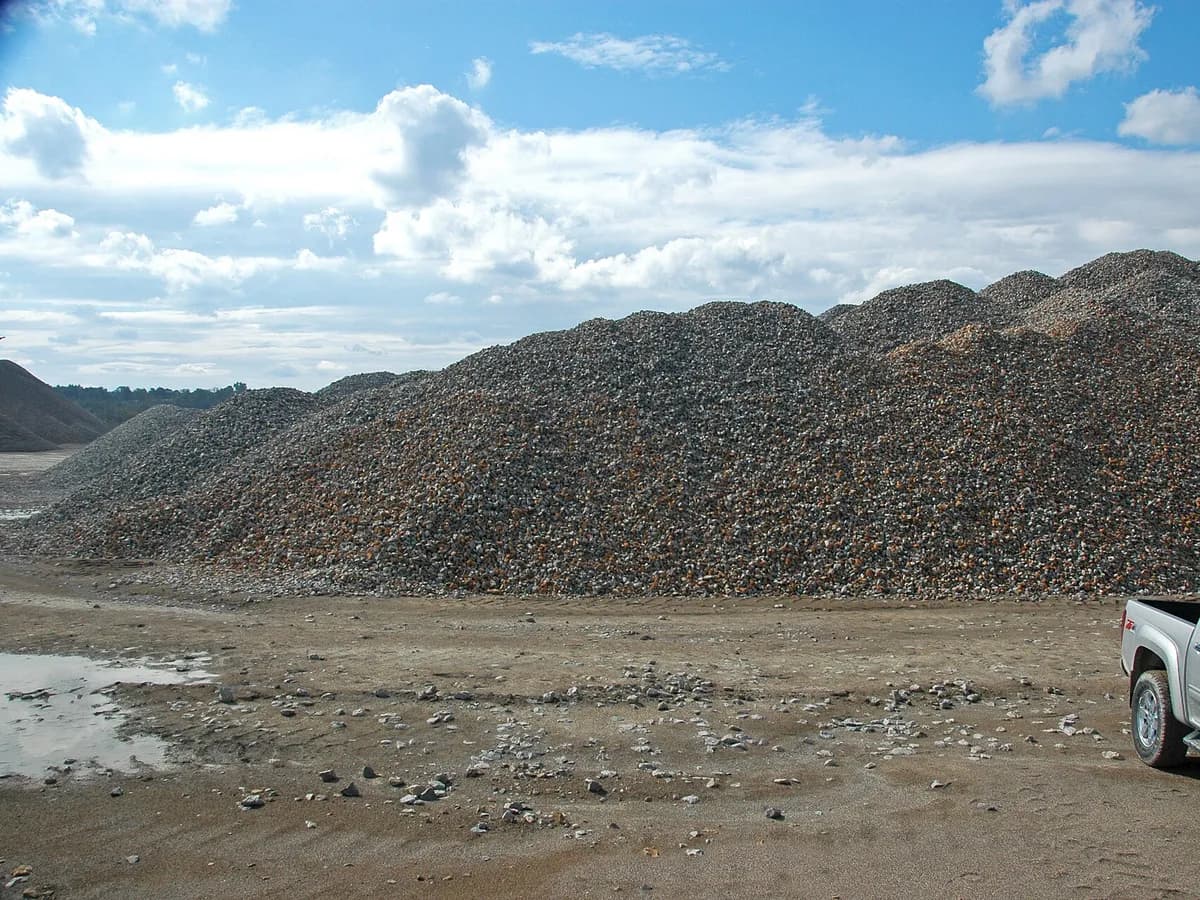 02
02Splitting limestone and similar dry minerals into product fractions after grinding or crushing. Screen media is selected for the abrasiveness of the material.
Mining and Mineral Processing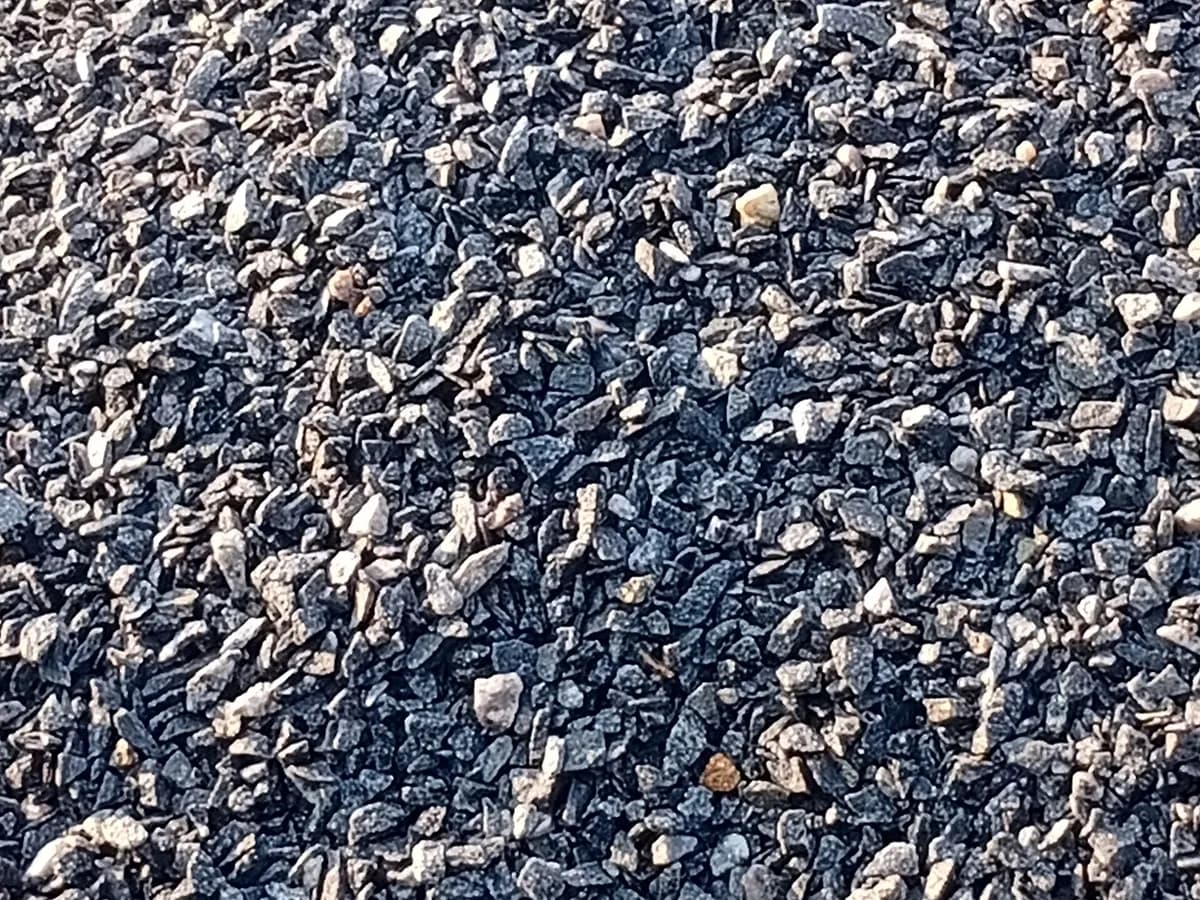 03
03Sizing crushed stone from the crusher discharge and returning oversize to the crusher. The number of decks follows the number of required fractions.
Crushers and Shredders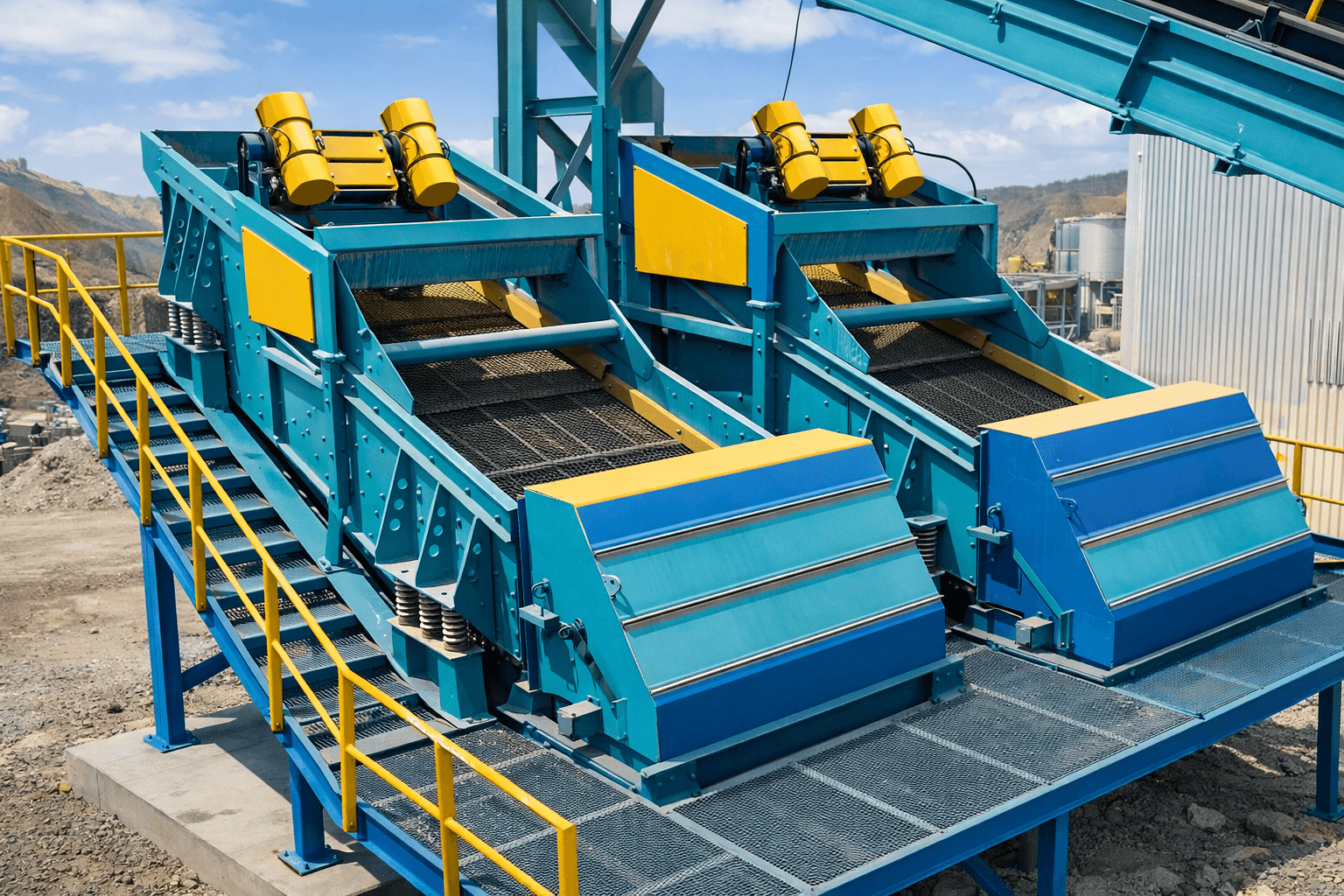
03Design & Manufacturing
PRO MAKINA engineers vibrating screens around the raw material, feed capacity, size distribution and target fractions. Screen body, decks and media, vibration system, springs, support frame and feed and discharge connections are designed together.
Raw Material
Material type, density, moisture and abrasiveness.
Size Distribution and Capacity
Feed rate and particle size distribution.
Fractions
Target cut sizes, number of decks and apertures.
Vibration and Inclination
Drive type, amplitude, frequency and deck angle.
Body and Connections
Springs, frame, dust cover, feed and discharge openings.
Screen area, aperture, number of decks and drive power are defined from material and capacity data; no generic values are stated on this page.
04FAQ
As material moves across the vibrating deck, fines pass through the apertures while coarse particles stay on top. Each fraction leaves through its own outlet.
The number of decks depends on how many fractions are required; each additional deck gives one more product fraction.
Only if water distribution, sealing and drainage are designed for it. For water-assisted screening, see our Wet Screens page.
Suitable aperture and media, correct vibration settings and even feeding reduce blinding. Additional measures are assessed for moist products.
Material type, capacity, feed size distribution, target fractions, moisture content and site layout.
05Resources
Technical Quotation
Share your material, capacity and target fractions, and we will define the vibrating screen together with you.
This site uses cookies required to run the website securely and correctly. With your consent, additional cookies may be used for performance measurement, user experience and marketing. For details see the Cookie Policy and Privacy Policy pages.