 01
01Compost Screening
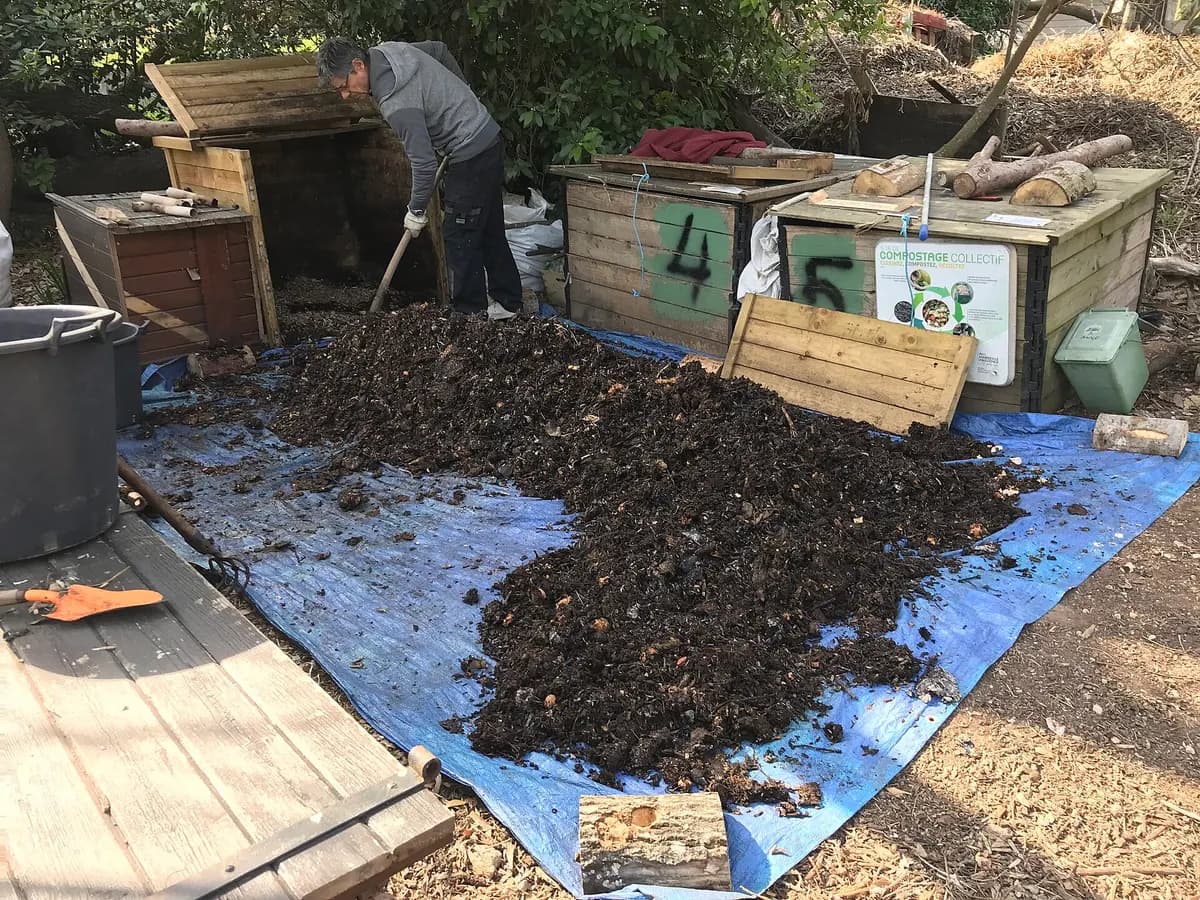
Separating mature compost into final product and coarse overs. Overs can be returned to the process as structure material; the aperture follows the target product quality.
Compost and Organic Waste PlantsIndustrial Plant Solutions
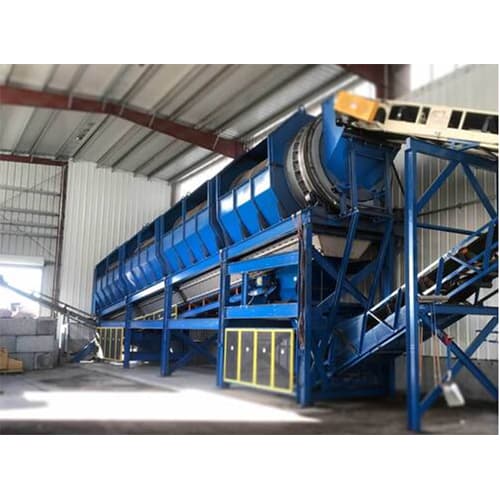
PRO MAKINA · Trommel Screen
Overview
A trommel screen is a slightly inclined, slowly rotating cylindrical drum whose shell is made of perforated plate or screen mesh. Material enters at one end; as the rotation lifts and tumbles it, particles smaller than the aperture fall through the drum surface, while oversize moves along the drum and leaves at the other end.
Separation efficiency mainly depends on drum diameter and length, rotational speed, slope, aperture and the residence time of material in the drum. Different apertures in different zones allow more than one fraction to be produced.
The tumbling action helps the screen surface work with compost and organic materials that tend to agglomerate or stick. For products with a blinding risk, the screen surface can be cleaned from outside by a rotating brush.
01Process Flow
The diagram shows the flow in which material is fed to the drum, separated on the rotating cylindrical screen, and fines and oversize are collected at separate points. Feed hopper and conveyors are separate equipment.
Scroll horizontally to view the full diagram.
Feeding: Material is fed to the drum inlet by a hopper or conveyor.
Separation in the rotating screen: The rotating drum lifts and tumbles the material; fines pass through the screen surface.
Fines collection: Fines passing the screen are collected below the drum on a conveyor or in a hopper.
Oversize discharge: Oversize that does not pass is discharged at the drum outlet end.
Residence time in the drum is adjusted by speed and slope; a longer residence time allows more fines to be separated.
02Applications
01Separating mature compost into final product and coarse overs. Overs can be returned to the process as structure material; the aperture follows the target product quality.
Compost and Organic Waste Plants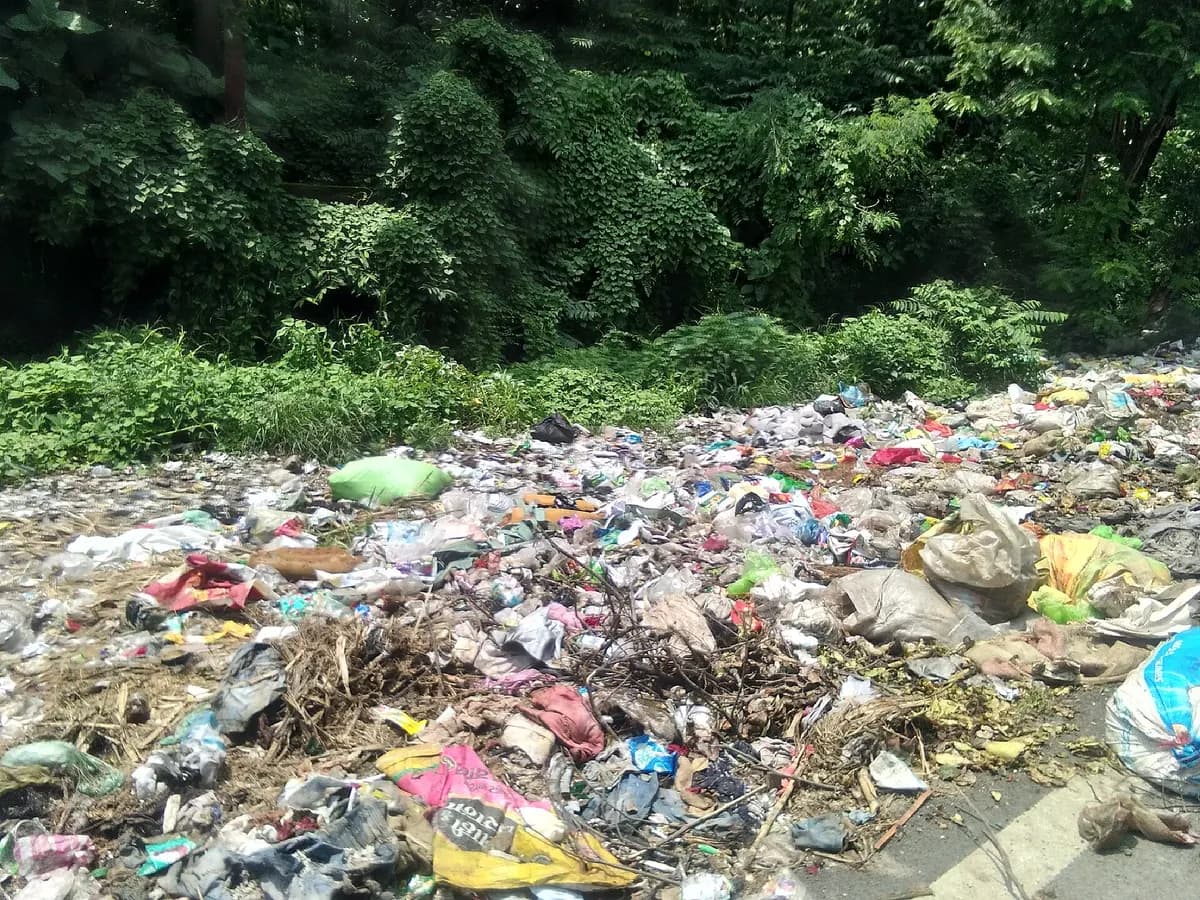 02
02Separating the fine organic fraction from larger items in mixed municipal waste and preparing the stream for subsequent sorting steps.
RDF Preparation Plant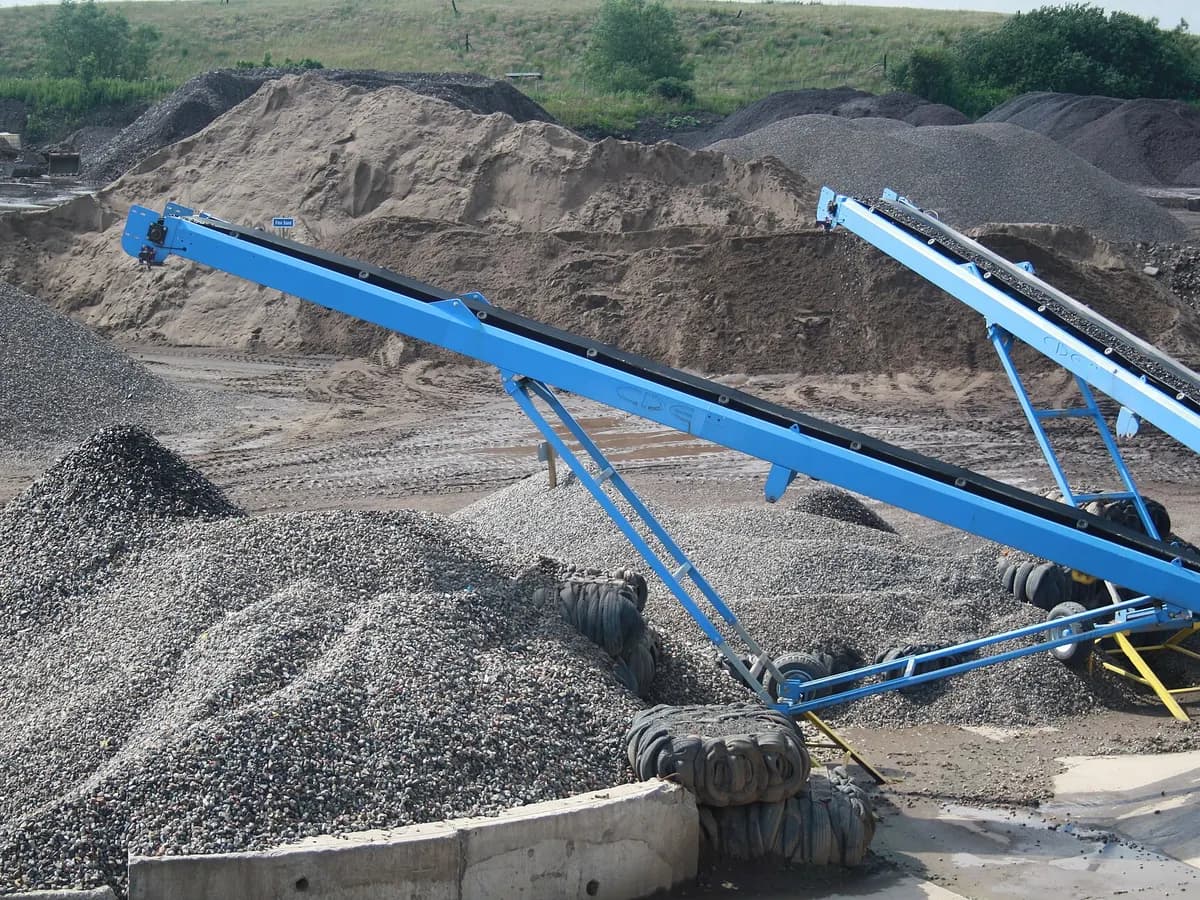 03
03Sizing sand, gravel and crushed mineral products. For abrasive materials, screen plate thickness and material are assessed separately.
Mining and Mineral Processing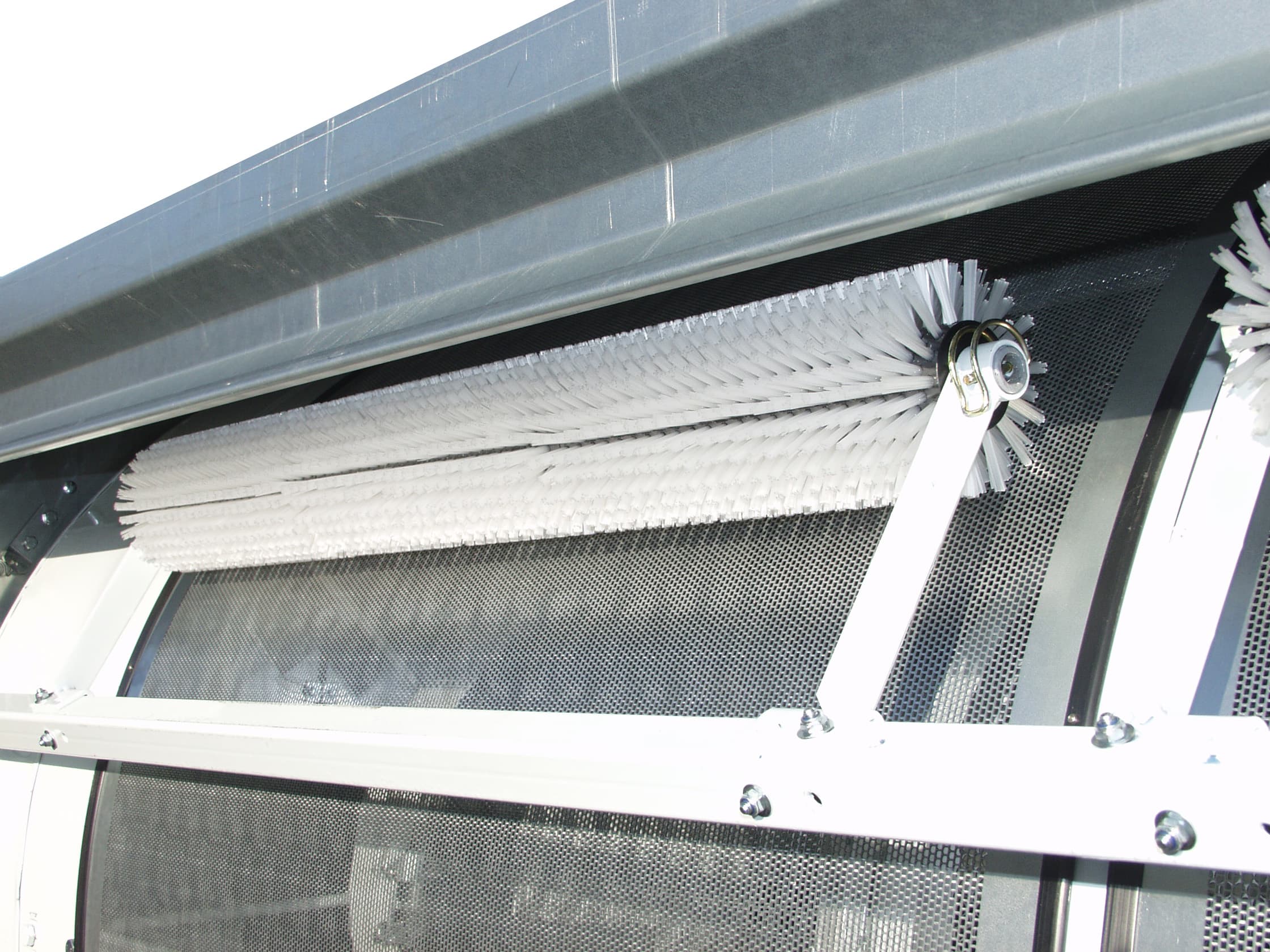
03Design & Manufacturing
PRO MAKINA engineers trommel screens around material type, capacity, moisture and target fractions. Drum geometry, screen plates and apertures, drive and support rollers, body and enclosure, and feed and discharge arrangement are designed together.
Raw Material
Material type, particle size, moisture and stickiness.
Drum Geometry
Drum diameter, length and screen zones.
Aperture
Apertures for the target fine and coarse fractions.
Speed, Slope and Residence Time
Residence time set by rotational speed and slope.
Body and Drive
Drive, support rollers, enclosure and cleaning arrangement.
Drum dimensions, speed, aperture and capacity are defined from material data; no generic values are stated on this page.
04Gallery
05FAQ
The slightly inclined rotating drum lifts and tumbles the material. Particles smaller than the aperture pass the screen surface; oversize travels along the drum and leaves at the outlet end.
Streams that need size separation such as compost, organic and mixed waste, fertilizer, sand and crushed mineral products.
A trommel works with a rotating cylindrical surface and can be advantageous for fibrous, moist or agglomerating products. A vibrating screen gives precise separation of dry, free-flowing products on a flat vibrating deck.
The aperture is selected for the target final product size. Different apertures can be used for different compost quality targets.
Product type, hourly capacity, moisture, feed size, target size range and site constraints.
06Resources
Technical Quotation
Share your material, capacity and target size range, and we will define the trommel screen together with you.
This site uses cookies required to run the website securely and correctly. With your consent, additional cookies may be used for performance measurement, user experience and marketing. For details see the Cookie Policy and Privacy Policy pages.