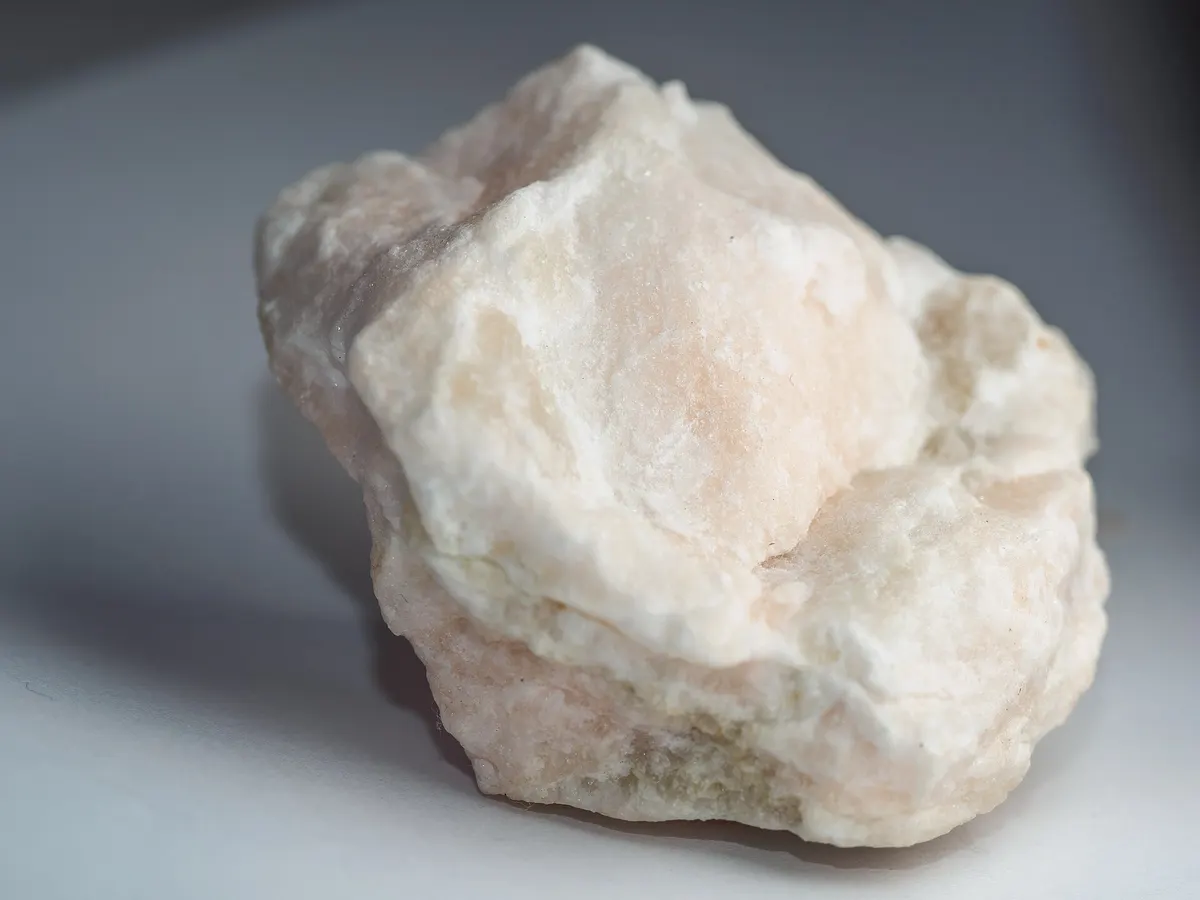
 01
01Gypsum and Friable Minerals
Reducing gypsum and similar friable minerals to a size suitable for grinding, drying or the next process step. Grate opening is selected for the target size.
Mining and Mineral ProcessingIndustrial Plant Solutions
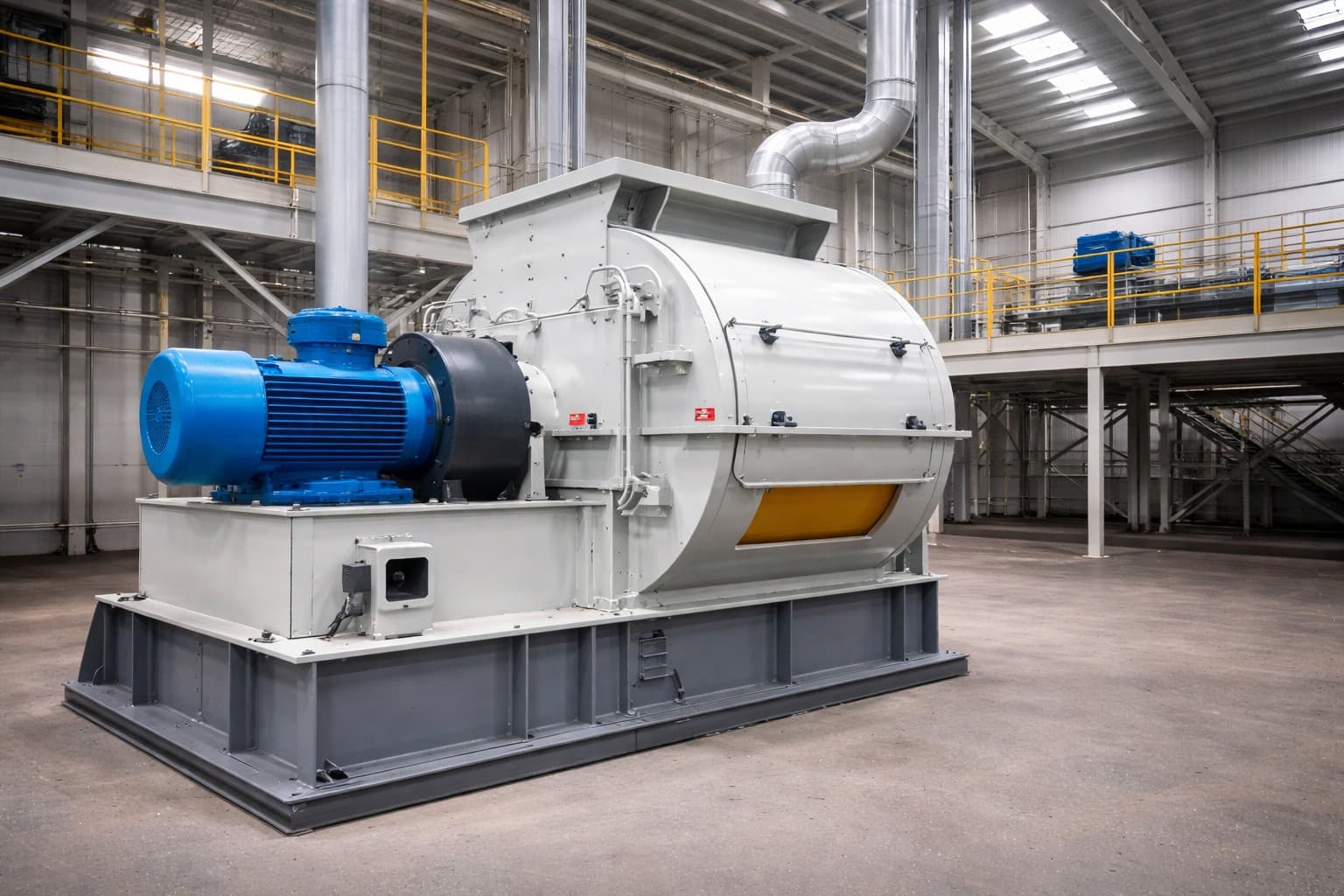
PRO MAKINA · Hammer Crusher
Overview
In a hammer crusher, hammers pivoted on a high-speed rotor strike the material falling into the crushing chamber and break it. Fragments are thrown against breaker plates inside the housing and are impacted repeatedly until they reach the target size.
Crushed material leaves through the openings of the grate or screen below the rotor. Product size is therefore largely determined by grate opening, rotor speed and hammer arrangement.
Hammer crushers are used for gypsum, salt, limestone, coal and similar friable or medium-hard materials. For very hard and highly abrasive materials hammer wear accelerates, so the machine is selected together with material data.
01Process Flow
The diagram shows the typical flow in which the hammer crusher takes material at the inlet and discharges product that has passed through the grate. Screening and conveying are done by separate equipment.
Scroll horizontally to view the full diagram.
Material feeding: Material is fed steadily into the crushing chamber from a hopper or feeder.
Hammer impact: Hammers on the rotating rotor strike and break the material.
Breaking on plates: Thrown fragments hit breaker plates and are reduced further.
Discharge through the grate: Product at target size passes the grate to the outlet.
Material larger than the target size cannot pass the grate and continues to be impacted in the crushing chamber.
02Applications
01Reducing gypsum and similar friable minerals to a size suitable for grinding, drying or the next process step. Grate opening is selected for the target size.
Mining and Mineral Processing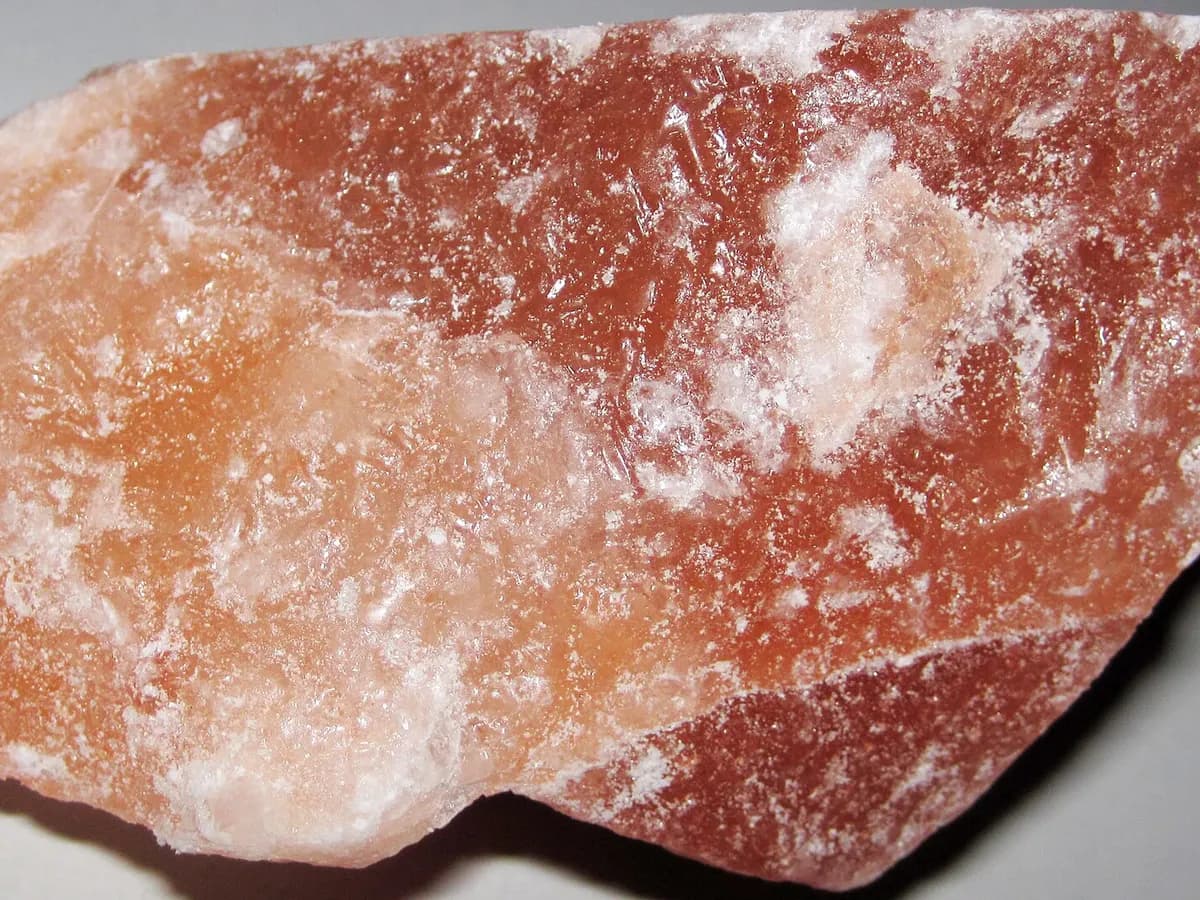 02
02Crushing rock salt and similar crystalline raw materials to suit the process inlet. Corrosion is considered when selecting housing and hammer materials.
Chemical Process Industry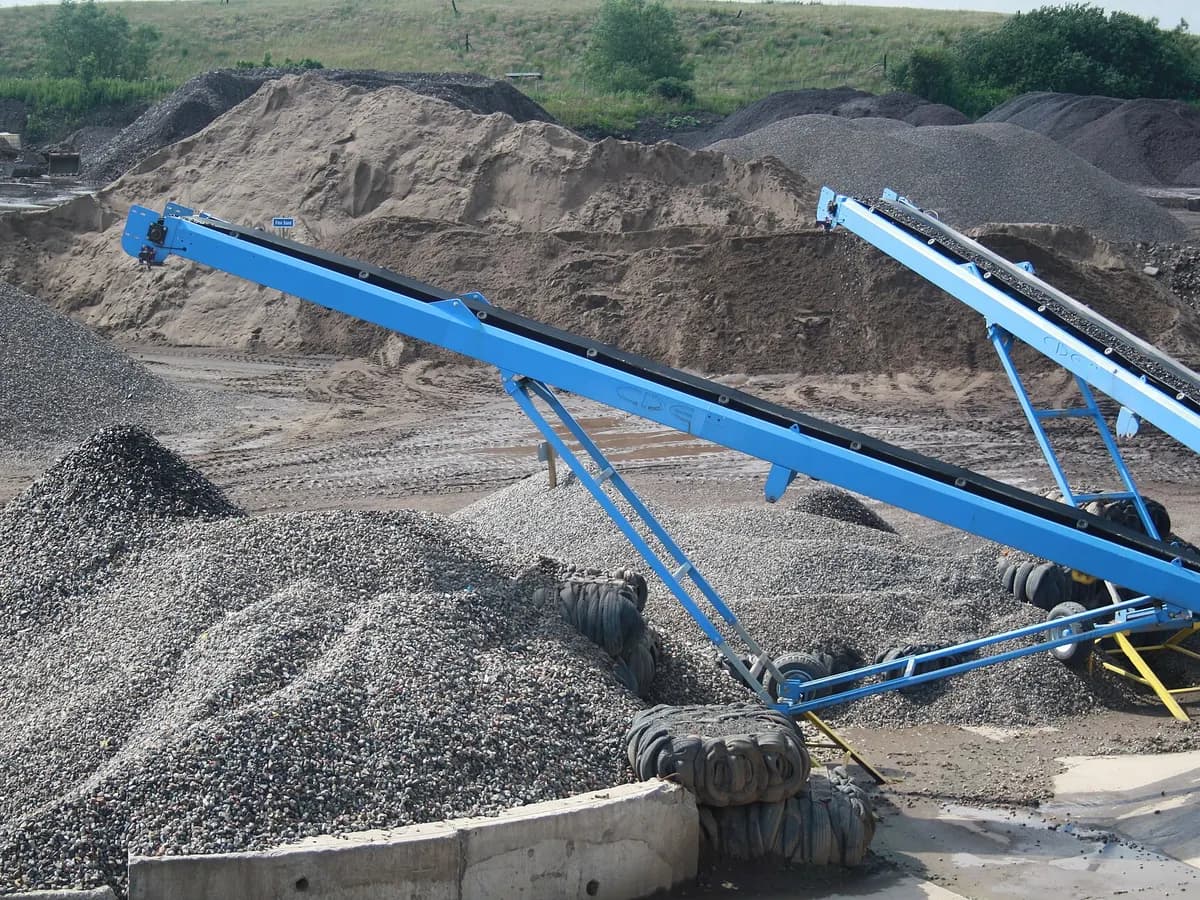 03
03Size reduction of low-abrasive limestone and similar materials in crushing and screening lines. Hammer life is assessed separately for abrasive products.
Screening and Classification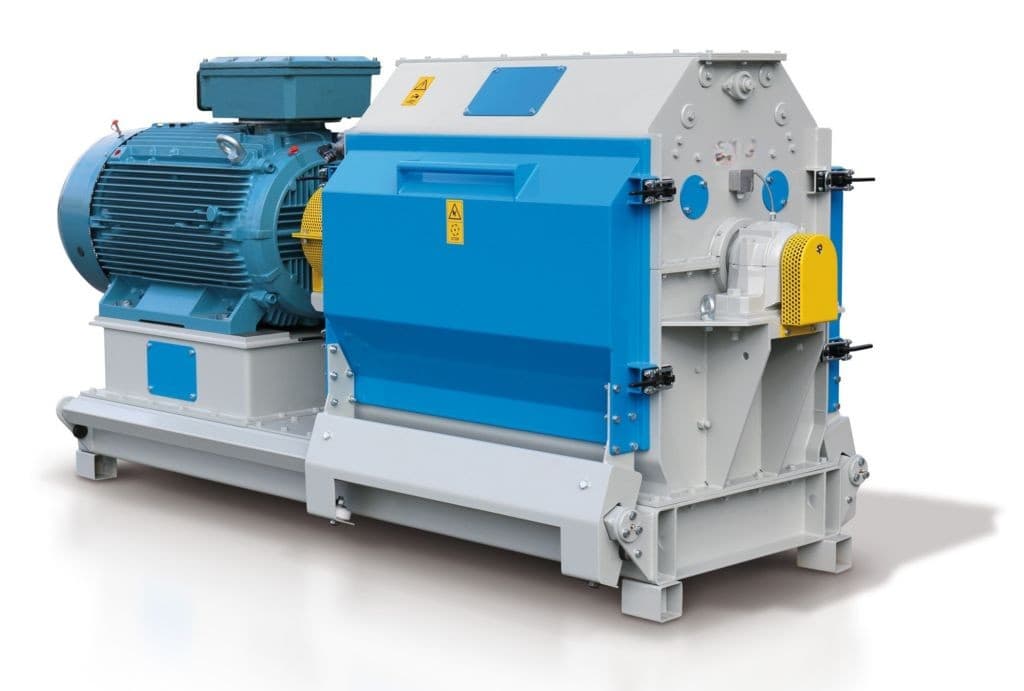
03Design & Manufacturing
PRO MAKINA engineers hammer crushers around raw material type, feed size, target product size and capacity. Rotor, hammer arrangement, breaker plates, grate, housing and drive are designed together; rotor speed and motor power are defined by process calculation.
Raw Material
Material type, hardness, abrasiveness, moisture and clay content.
Feed Size
Maximum lump size and feeding method.
Target Product
Required top size and fines limit.
Rotor and Hammers
Rotor diameter and width, number, type and material of hammers.
Drive and Maintenance
Rotor speed, motor selection, vibration, dust and access.
Rotor speed, motor power and capacity are defined by material tests and process calculation; no generic values are stated on this page.
04FAQ
Hammers on a high-speed rotor strike the material and throw fragments against breaker plates. Product at target size leaves through the grate below the rotor.
Gypsum, salt, limestone, coal and similar friable or medium-hard materials. With very hard, highly abrasive materials hammer wear increases.
Product size is mainly set by grate opening, rotor speed and hammer arrangement. Different grate openings change the target size.
Hammers, grate bars and breaker plates. A replaceable design and inspection doors help shorten maintenance time.
Material type, hardness and abrasiveness, moisture, maximum feed size, target product size and hourly capacity.
05Resources
Technical Quotation
Share your raw material, feed size and target product size, and we will define the hammer crusher together with you.
This site uses cookies required to run the website securely and correctly. With your consent, additional cookies may be used for performance measurement, user experience and marketing. For details see the Cookie Policy and Privacy Policy pages.