 01
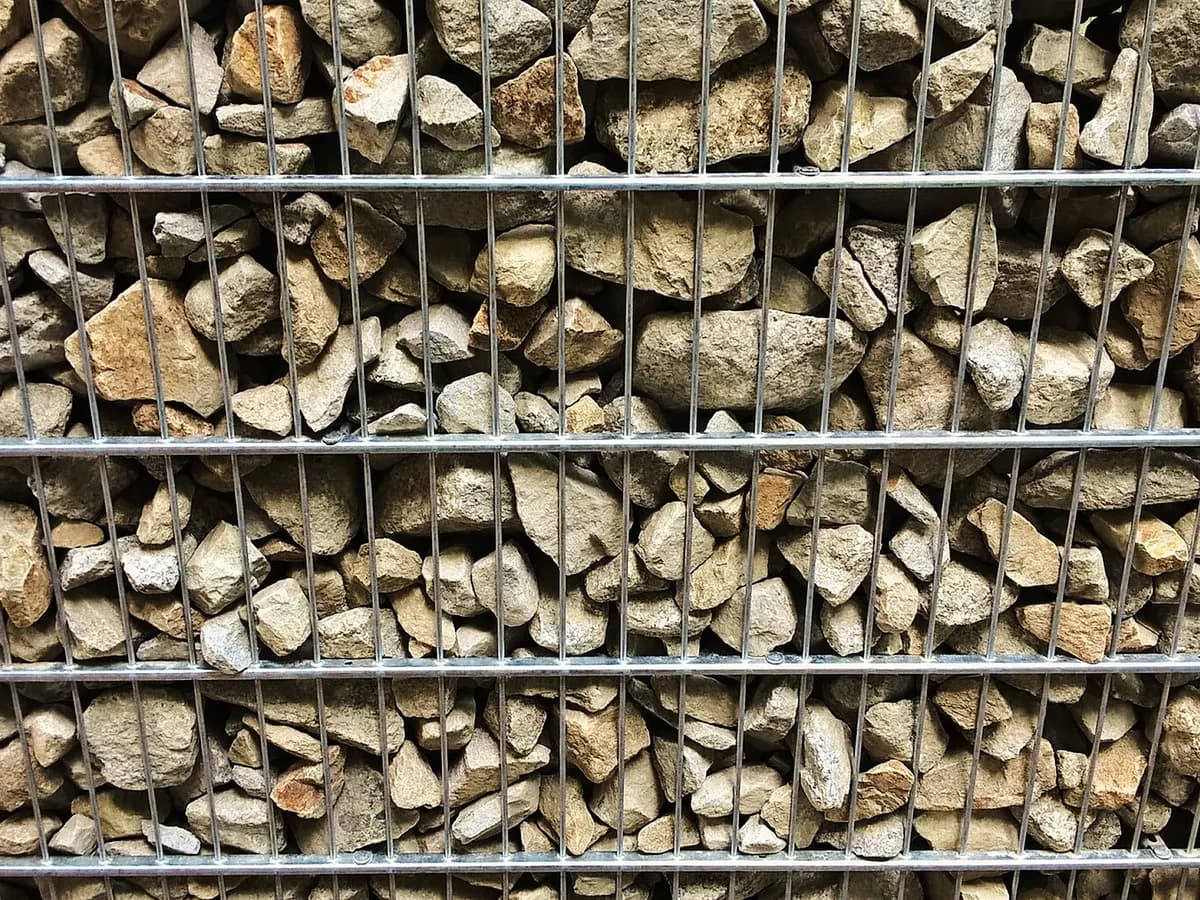
01Crushed Stone and Construction Aggregate
Reducing primary-crushed quarry rock to crushed stone fractions for roads, concrete and construction. Target fractions are separated by the screening circuit.
Mining and Mineral ProcessingIndustrial Plant Solutions
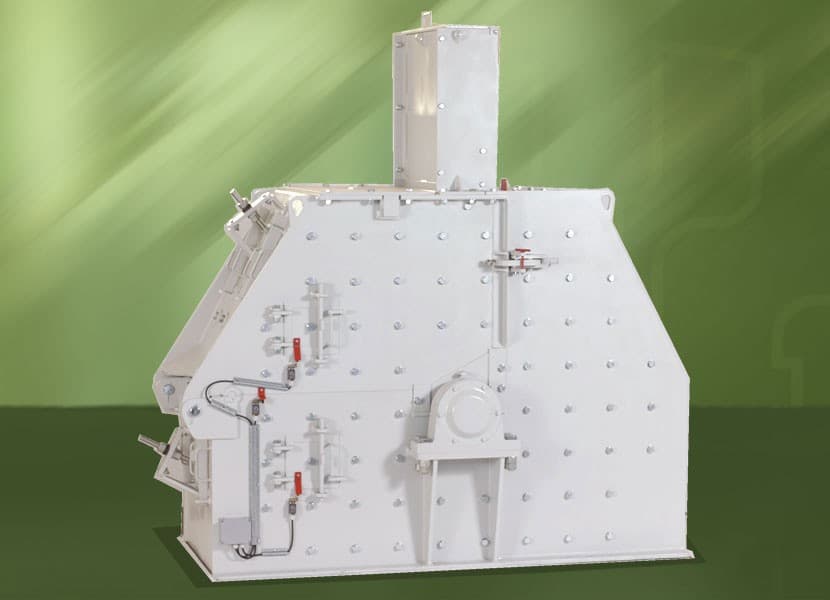
PRO MAKINA · Secondary Impact Crusher
Overview
A secondary impact crusher is a horizontal-shaft impact crusher used to reduce material from a primary crusher or pre-crushing to a smaller size. Blow bars on the rotor strike the material, and pieces are thrown against adjustable impact aprons in the housing.
Because the feed is smaller than for a primary crusher, feed opening and rotor are designed to produce a finer product. Product size is steered by the gap between apron and rotor, rotor speed and the breakage behaviour of the material.
A secondary crusher usually works in closed circuit with a screen: product at target size is separated and oversize returns to the crusher. The achievable grading depends on the material and is defined together with the screening circuit.
01Process Flow
The diagram shows the typical flow in which the secondary crusher takes pre-crushed product, crushes it in the second stage and sends it to the screening circuit. Primary crusher and screen are separate equipment.
Scroll horizontally to view the full diagram.
Pre-crushed feed: Material from the primary crusher is fed by a feeder or conveyor.
Crushing by blow bars: Blow bars on the rotor strike and reduce the material.
Breaking on adjustable aprons: The apron-to-rotor gap steers product size.
Discharge to the next process: Product goes to the screen; oversize may return to the crusher.
Oversize from the screen can be returned to the crusher to form a closed circuit; the circuit layout depends on the plant concept.
02Applications
01Reducing primary-crushed quarry rock to crushed stone fractions for roads, concrete and construction. Target fractions are separated by the screening circuit.
Mining and Mineral Processing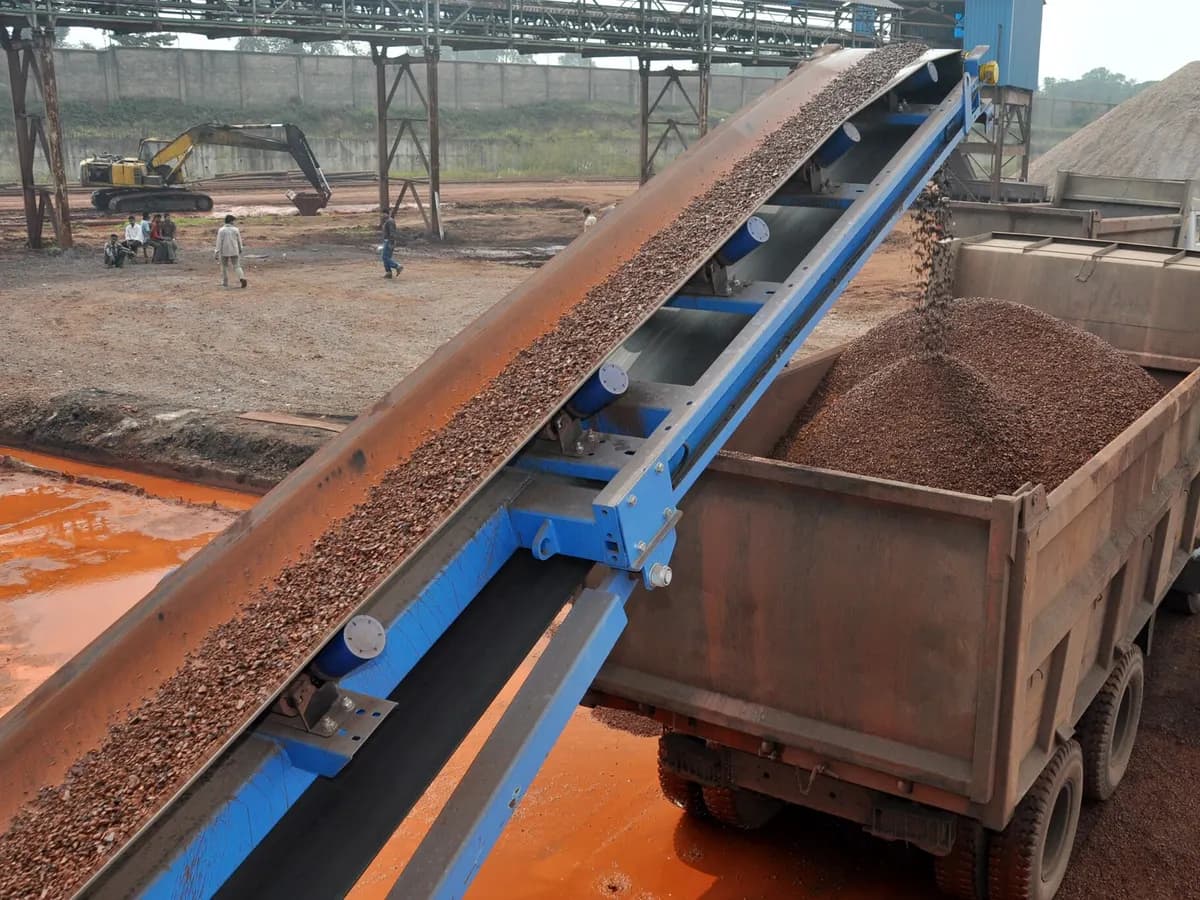 02
02Reducing pre-crushed ore to a size suitable for grinding or beneficiation. Blow bar life is assessed separately for abrasive ores.
Conveying Systems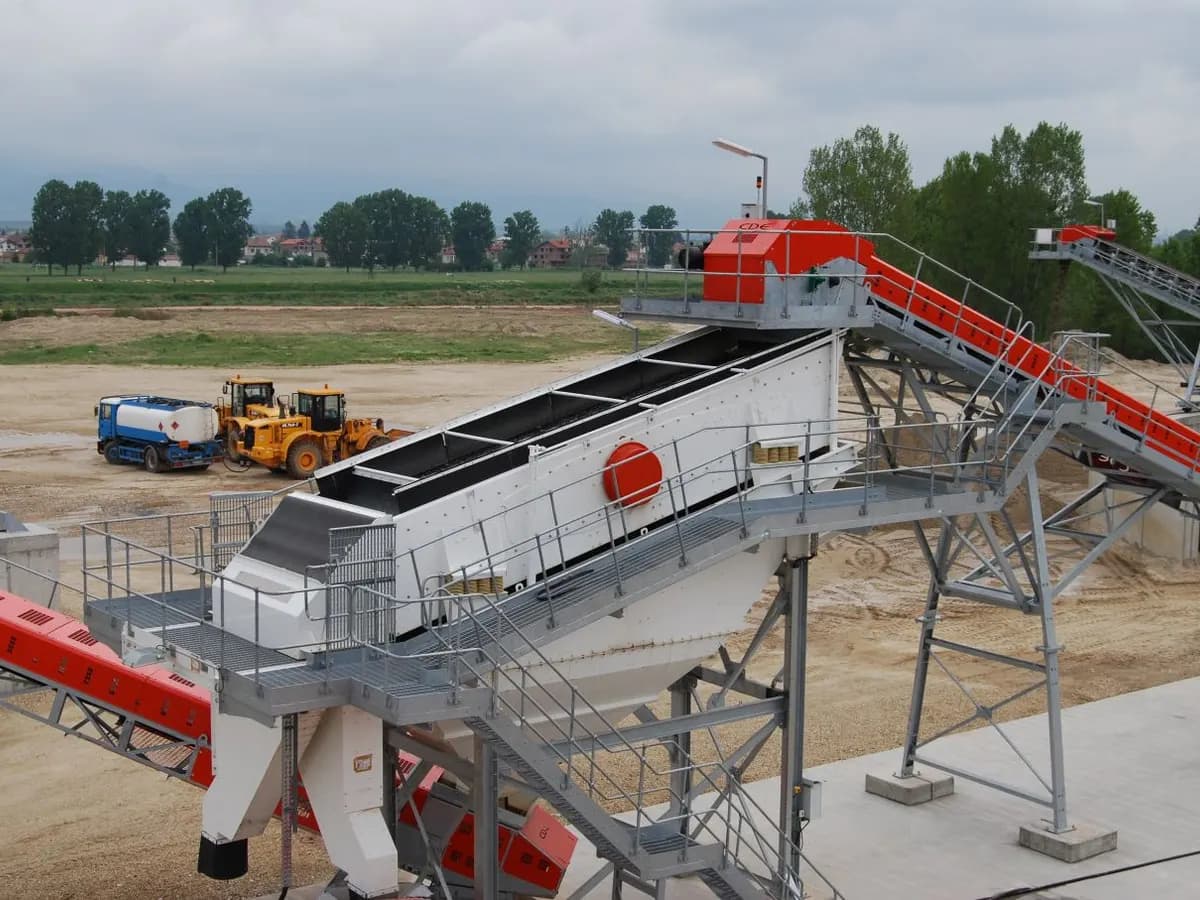 03
03Crushing and screening lines where the secondary crusher works with a screen and oversize is returned. Crusher and screen capacities are sized together.
Screening and Classification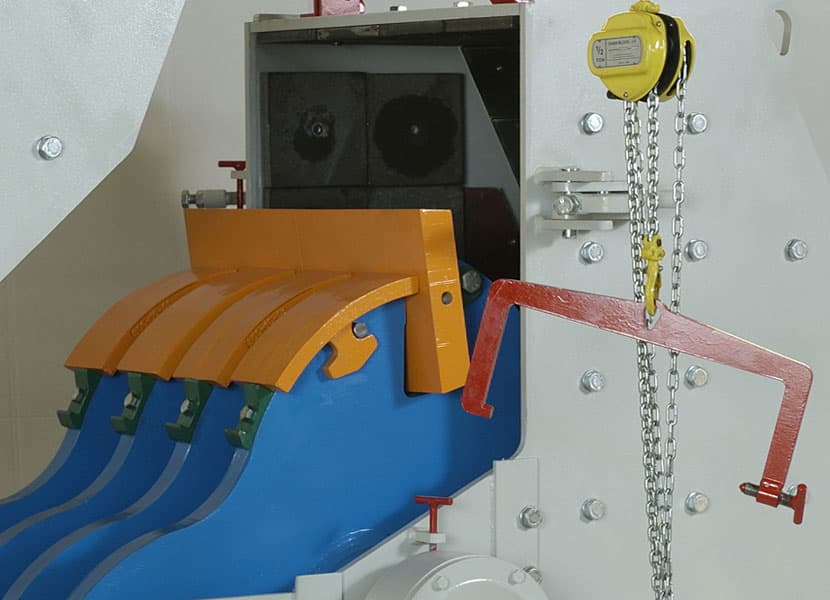
03Design & Manufacturing
PRO MAKINA engineers secondary crushers around pre-crushed feed size, target discharge size, material breakability and capacity. Rotor and blow bar geometry, impact aprons and adjustment, housing, drive and maintenance access are designed together.
Feed
Primary crusher output size and feeding arrangement.
Target Size
Required top size and screening circuit.
Material
Breakability, abrasiveness, moisture and clay content.
Rotor and Blow Bars
Rotor size, blow bar geometry, number and material.
Drive and Maintenance
Drive selection, apron setting, blow bar replacement and hydraulic opening.
Rotor speed, power and capacity are defined from material and line data; no specific millimetre size is guaranteed for every material.
04Gallery
05FAQ
The primary reduces coarse material to a rough size. The secondary brings that pre-crushed product to a smaller, controlled size and usually works with a screen.
The apron-to-rotor gap, rotor speed and screening circuit determine product size. The achievable grading depends on the material.
The crusher itself may not include a screen; size control is usually achieved by a separate screen in closed circuit. The layout is defined per project.
Blow bars, impact aprons and housing liners; a hydraulically opening housing makes replacement easier.
Material type, feed (primary output) size, target product size, abrasiveness and hourly capacity.
06Resources
Technical Quotation
Share your pre-crushed feed size and target discharge size, and we will define the secondary crusher and screening circuit together with you.
This site uses cookies required to run the website securely and correctly. With your consent, additional cookies may be used for performance measurement, user experience and marketing. For details see the Cookie Policy and Privacy Policy pages.