 01
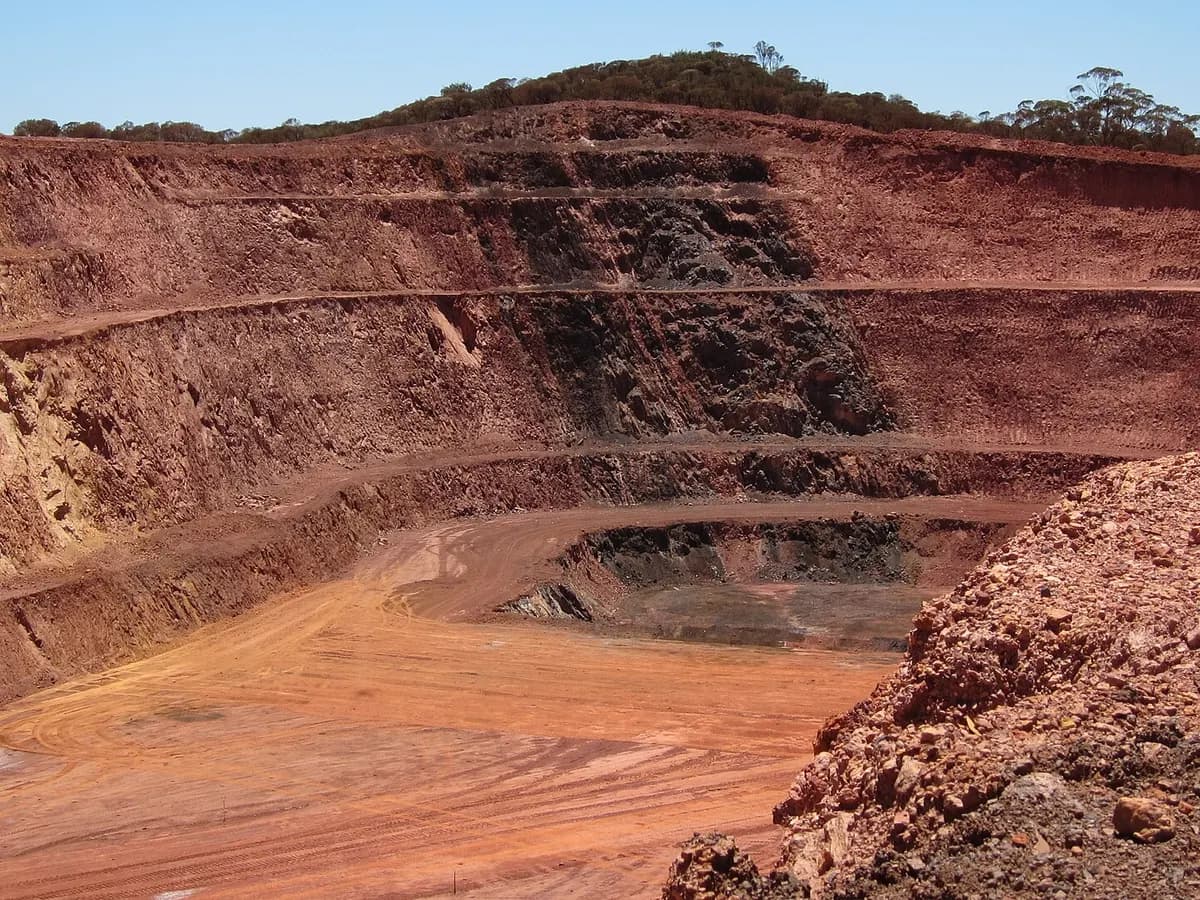
01Mineral Ore
Primary crushing of coarse run-of-mine ore to a size suitable for further crushing and beneficiation. Jaw plate material is selected for the abrasiveness of the ore.
Mining and Mineral ProcessingIndustrial Plant Solutions
PRO MAKINA · Jaw Crusher
Overview
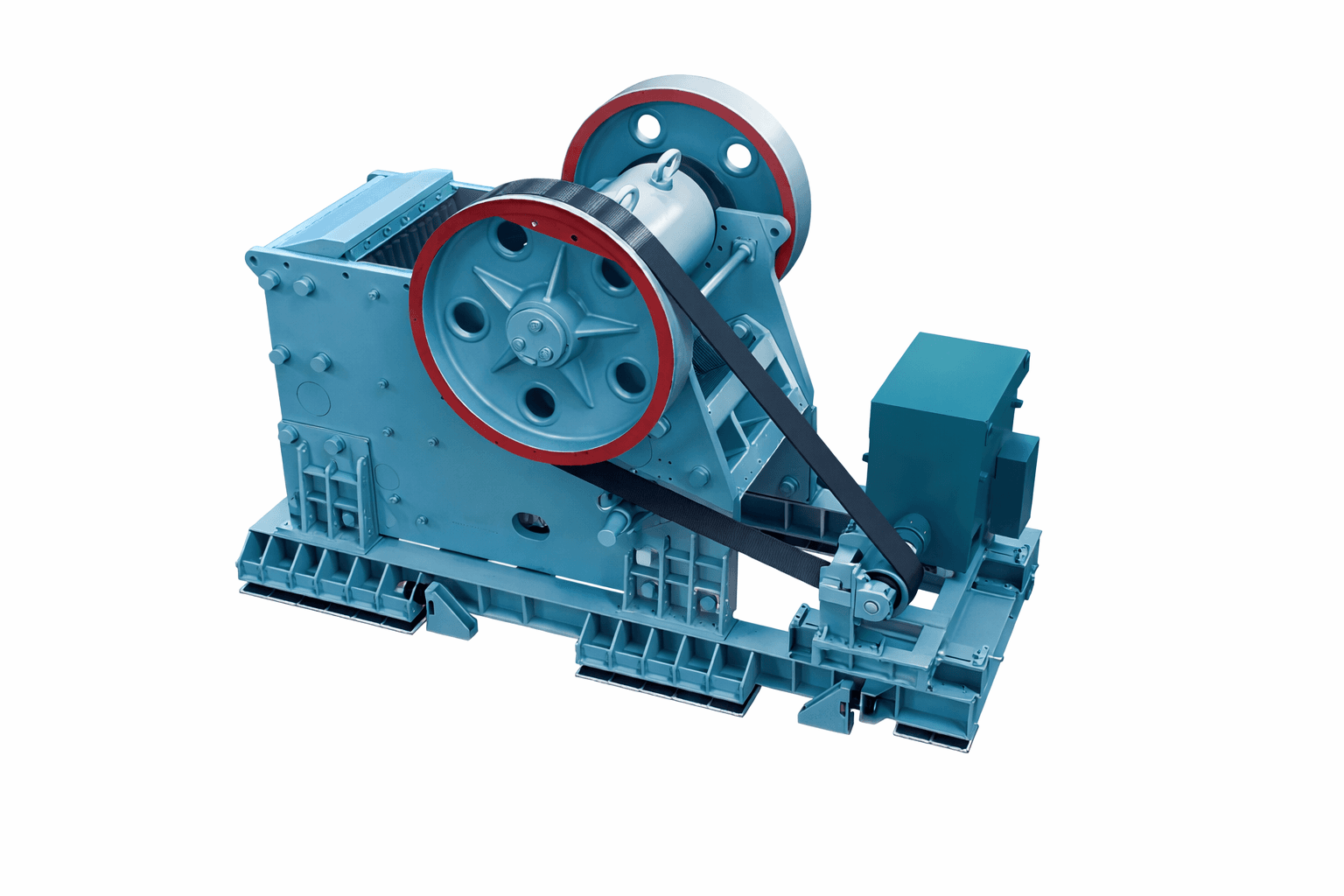
In a jaw crusher, material is crushed by compression between a fixed jaw and a moving jaw driven by an eccentric shaft. As the moving jaw approaches the fixed jaw the material is squeezed; as it moves away the broken pieces descend in the V-shaped crushing chamber.
Pieces leave the crusher once they are small enough to pass the lower gap between the jaws (the discharge setting). Product size is mainly determined by this setting, which can be changed with the adjustment arrangement.
Thanks to a large feed opening, jaw crushers are used for first-stage (primary) crushing of coarse quarry rock, ore and concrete demolition waste. The product is usually processed further by secondary crushing and screening.
01Process Flow
The diagram shows the typical flow in which the jaw crusher takes coarse feed at the opening and discharges it through the discharge setting. Feeder, screening and secondary crushing are separate equipment.
Scroll horizontally to view the full diagram.
Coarse feed: Rock or ore is fed steadily to the crusher opening by a feeder.
Compression between jaws: The moving jaw squeezes the material against the fixed jaw.
Descent in the chamber: Broken pieces move down the V-shaped chamber.
Discharge through the setting: Product passing the setting goes to a conveyor or the next stage.
Removing fines before the crusher (pre-screening) reduces unnecessary load and wear on the jaws.
02Applications
01Primary crushing of coarse run-of-mine ore to a size suitable for further crushing and beneficiation. Jaw plate material is selected for the abrasiveness of the ore.
Mining and Mineral Processing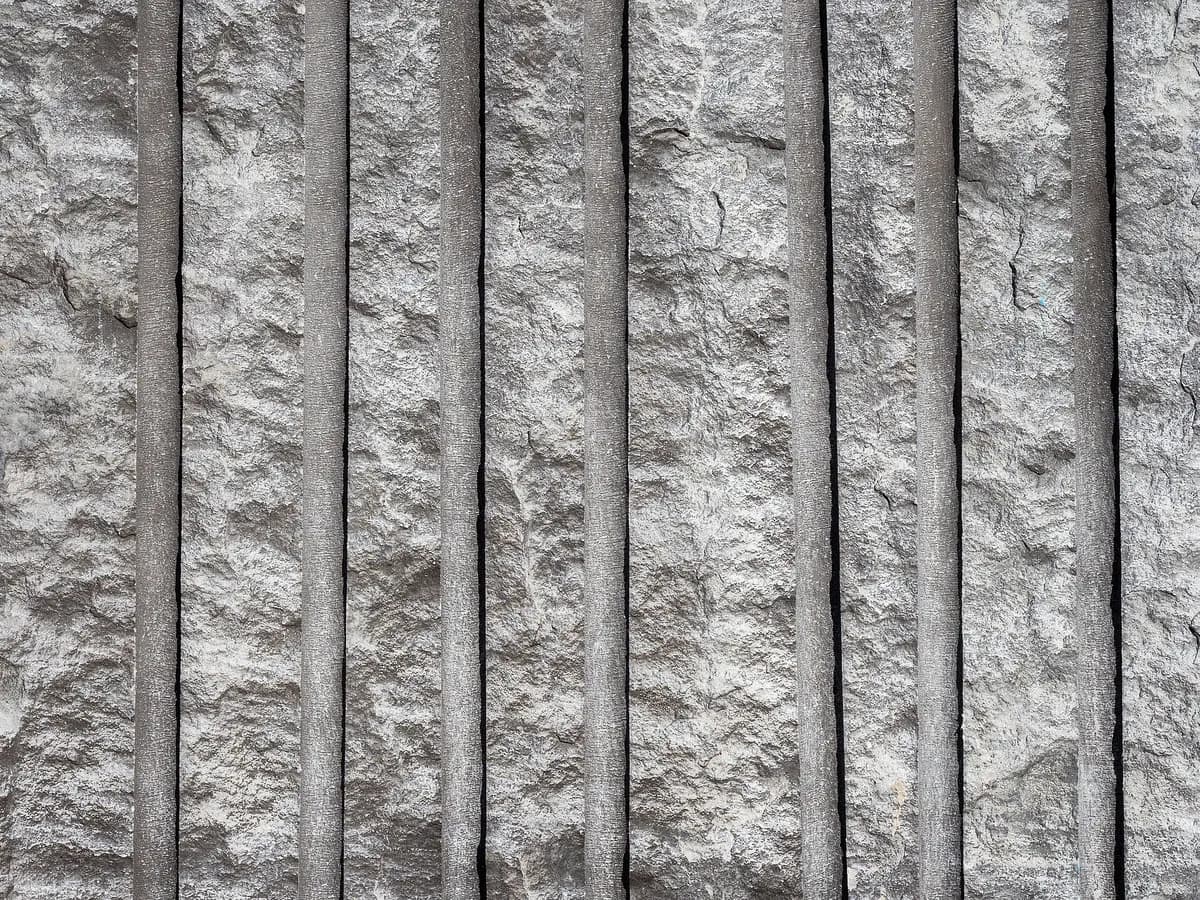 02
02First-stage crushing of coarse blasted quarry rock. The feed opening is sized for the largest feed lump.
Screening and Classification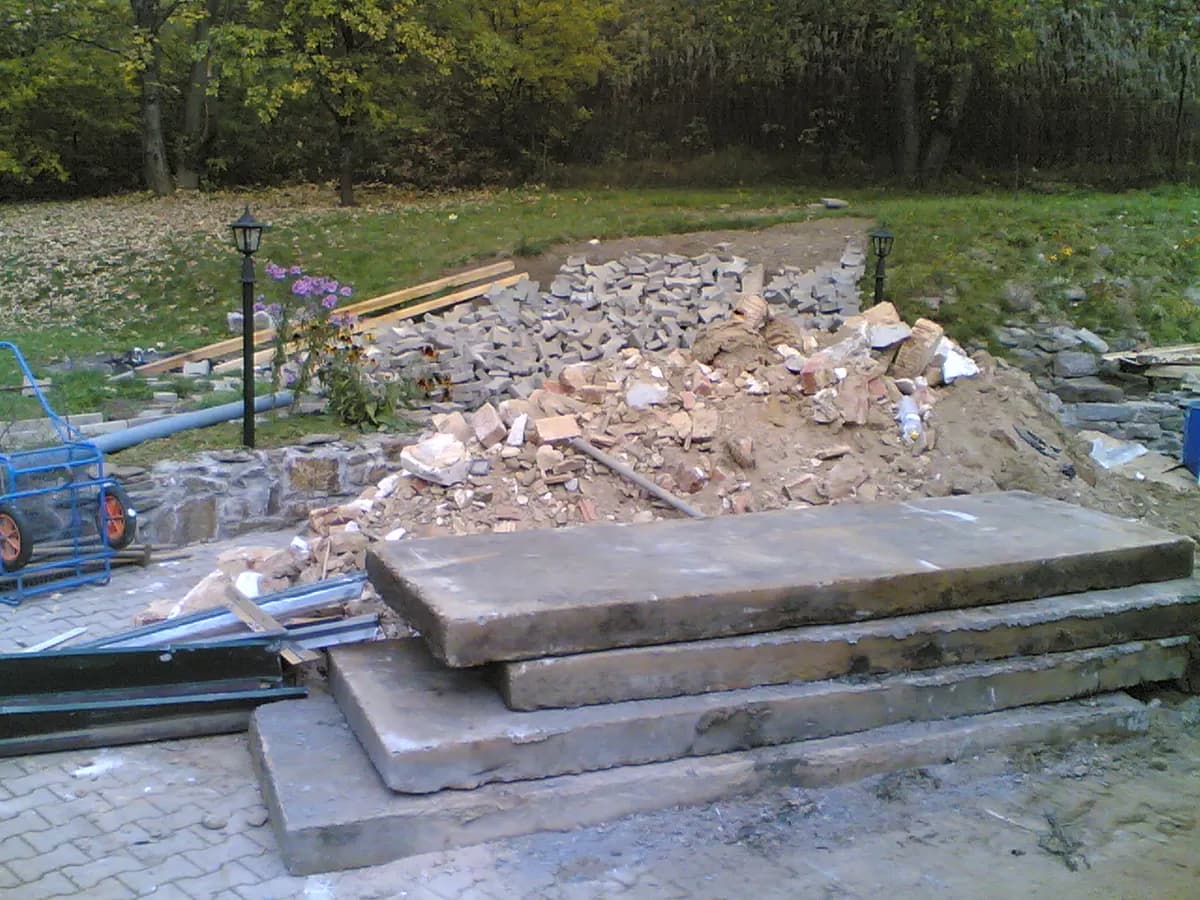 03
03Pre-crushing concrete and construction demolition waste in recycling lines. Removal of rebar and contaminants is done by other equipment in the line.
Recycling and Waste Management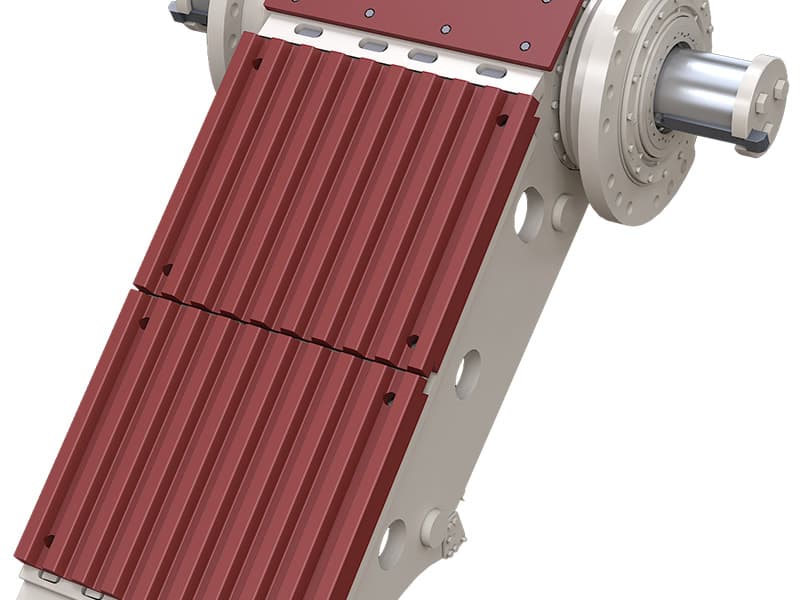
03Design & Manufacturing
PRO MAKINA engineers jaw crushers around the largest feed size, material hardness, target discharge size and capacity. Frame, jaw geometry and plates, eccentric shaft and bearings, flywheel, drive and adjustment are designed together.
Feed
Largest lump size and required feed opening.
Material
Hardness, abrasiveness, moisture and fines content.
Discharge
Target product size and discharge setting range.
Mechanical Design
Jaw geometry, eccentric shaft, bearings and frame.
Drive and Safety
Motor and belt drive, flywheel, guards and maintenance access.
Feed opening, capacity and motor power are calculated from material and line data; no generic values are stated on this page.
04Gallery
05FAQ
The moving jaw, driven by an eccentric shaft, approaches and moves away from the fixed jaw. Material is crushed by compression and leaves once it can pass the discharge setting.
Thanks to its large feed opening it is usually a first-stage (primary) crusher; its product is mostly processed further by secondary crushing and screening.
Product size is set by the lower gap between the jaws and can be changed with the crusher's adjustment arrangement.
Fixed and moving jaw plates and side liners. The plates are replaceable.
Material type, hardness and abrasiveness, largest feed size, target discharge size and hourly capacity.
06Resources
Technical Quotation
Share your material, largest feed size and target discharge size, and we will define the jaw crusher together with you.
This site uses cookies required to run the website securely and correctly. With your consent, additional cookies may be used for performance measurement, user experience and marketing. For details see the Cookie Policy and Privacy Policy pages.