 01
01Compost and Organic Products
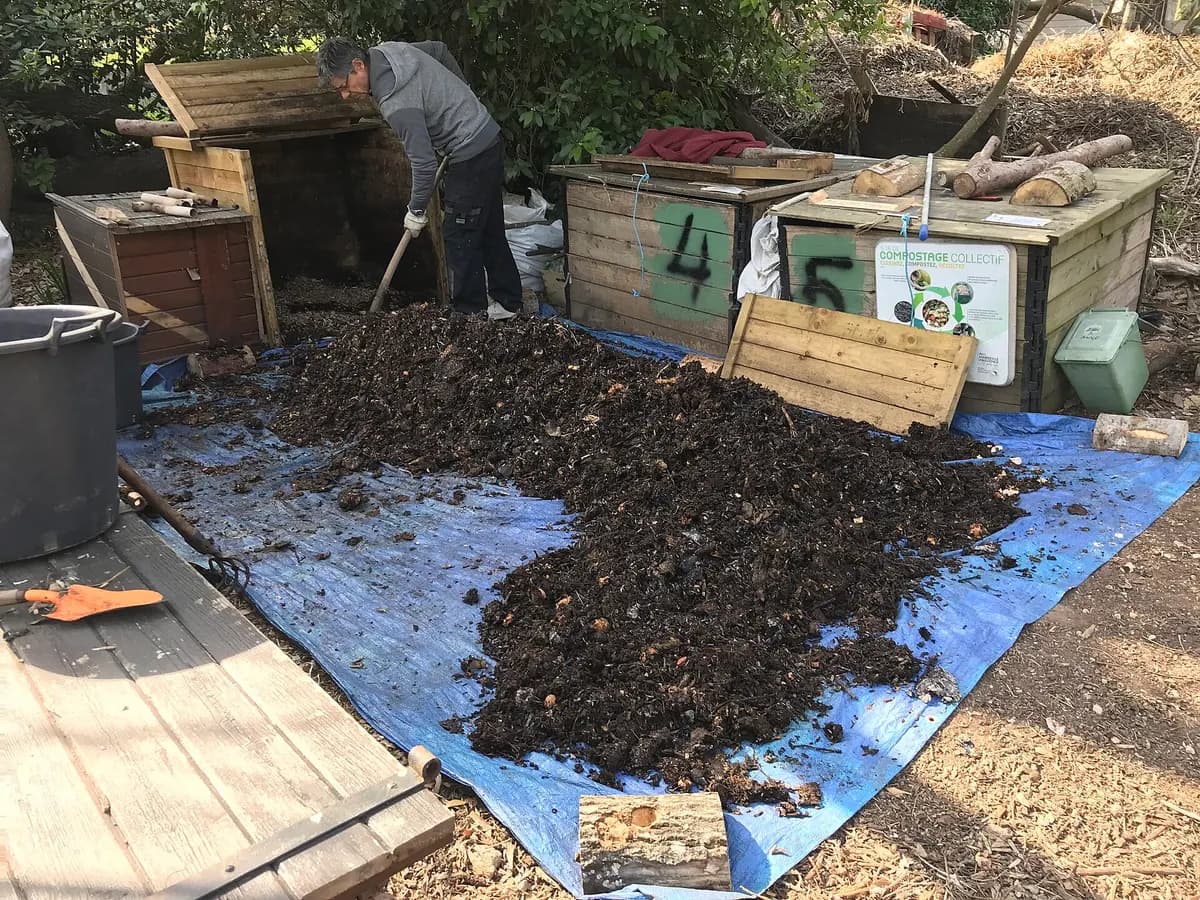
Breaking lumps in matured compost and organic products before screening or packing. Moisture is decisive for housing design and cleaning access.
Composting and Organic Waste PlantsIndustrial Plant Solutions
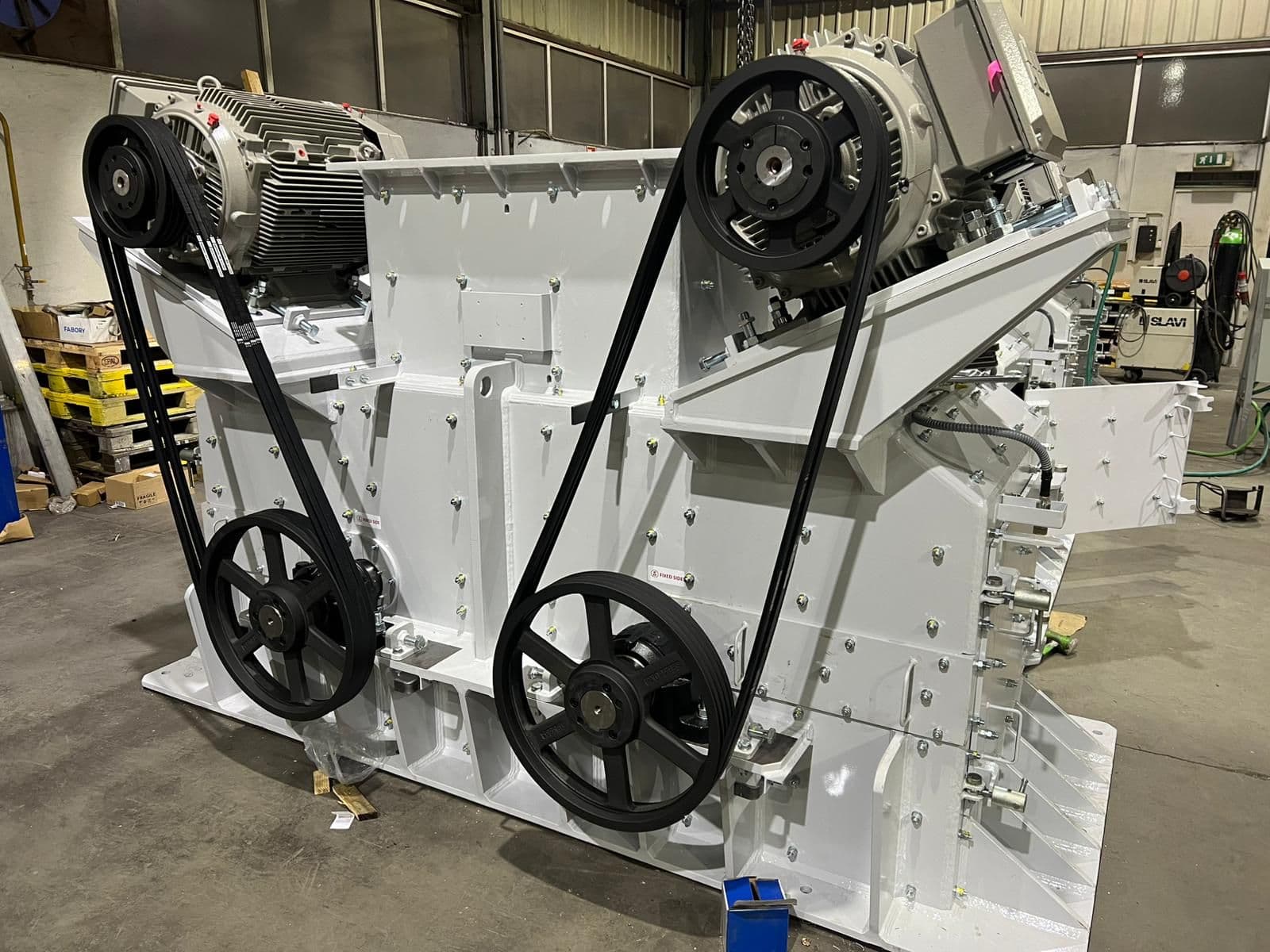
PRO MAKINA · Chain Crusher
Overview
In a chain crusher, chains attached to one or more rotors spinning inside the housing strike the material fed from above and break up lumps and friable pieces. The material is reduced as it passes through the chain zone and leaves at the bottom.
The flexible chains spread the impact, making it possible to crush caked or semi-moist products. Chain crushers are therefore used in fertilizer and compost lines for lump breaking and size reduction of friable products.
Product size depends on rotor speed, number and length of chains, internal clearance and material behaviour. For very hard minerals, jaw or impact crushers may be more suitable.
01Process Flow
The diagram shows the typical flow in which the chain crusher takes lumpy material from above, breaks it by chain impact and discharges it at the bottom.
Scroll horizontally to view the full diagram.
Material feeding: Lumpy or friable material enters through the top inlet.
Chain impact: Rotating chains strike and break the lumps.
Passage through the housing: Material is reduced as it passes the chain zone.
Bottom discharge: Crushed product goes to screening or the next process.
A chain crusher usually works with screening; oversize product can be returned to the crusher after screening.
02Applications
01Breaking lumps in matured compost and organic products before screening or packing. Moisture is decisive for housing design and cleaning access.
Composting and Organic Waste Plants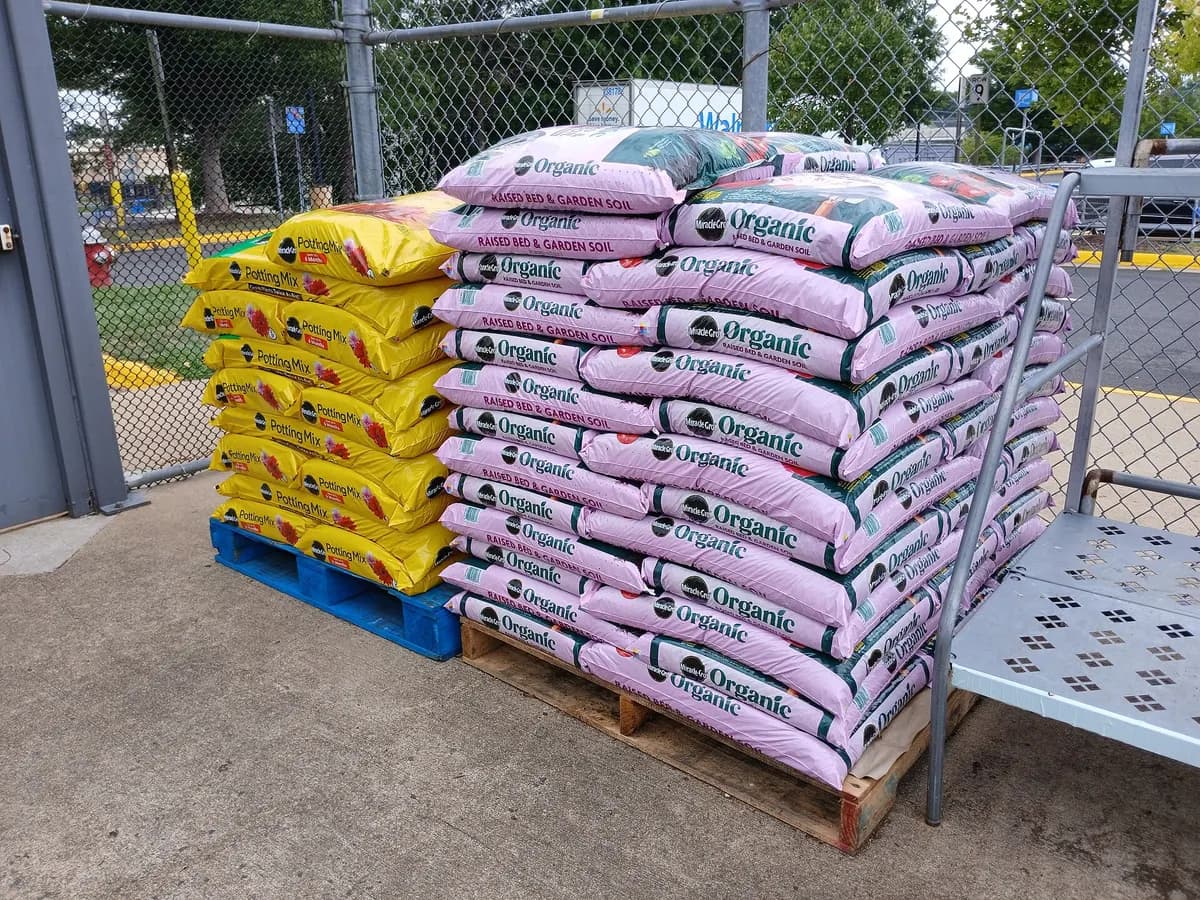 02
02Crushing raw material or product lumps in organic and organomineral fertilizer lines. Crushed product goes on to screening and granulation.
Fertilizer Plants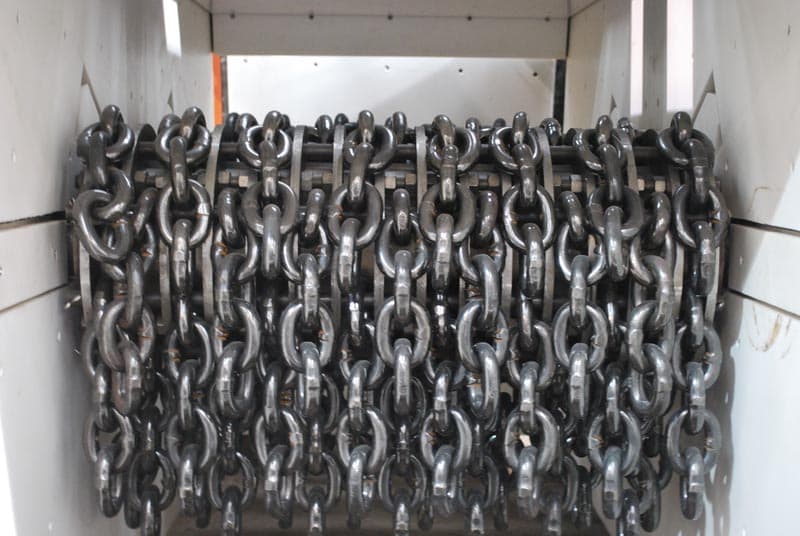
03Design & Manufacturing
PRO MAKINA engineers chain crushers around moisture, lump structure, capacity and target size. Rotor and chain arrangement, housing, inlet and outlet, belt drive and inspection doors are designed together.
Material
Product type, moisture, stickiness and caking behaviour.
Feed
Lump size and feeding arrangement.
Target Size
Required top size and operation with screening.
Rotor and Chains
Rotor speed, chain type, number and length.
Housing and Safety
Housing design, maintenance access, dust and process safety.
Rotor speed, power and capacity are defined from material data; other crusher types are assessed for very hard minerals.
04Gallery
05FAQ
Chains on a rotor spinning inside the housing strike material fed from above and break up lumps and friable pieces; product leaves at the bottom.
Lumpy, friable and semi-moist products such as fertilizer and compost. For very hard minerals, jaw or impact crushers are assessed.
Moist and sticky products can build up in the housing. Housing design and cleaning access are chosen according to moisture behaviour.
Chains and internal housing liners; the chains are replaceable.
Product type, moisture and stickiness, lump size, target size and hourly capacity.
06Resources
Technical Quotation
Share your product, moisture and target size, and we will define the chain crusher together with you.
This site uses cookies required to run the website securely and correctly. With your consent, additional cookies may be used for performance measurement, user experience and marketing. For details see the Cookie Policy and Privacy Policy pages.