 01
01Liquid Fertilizers and Humic Products
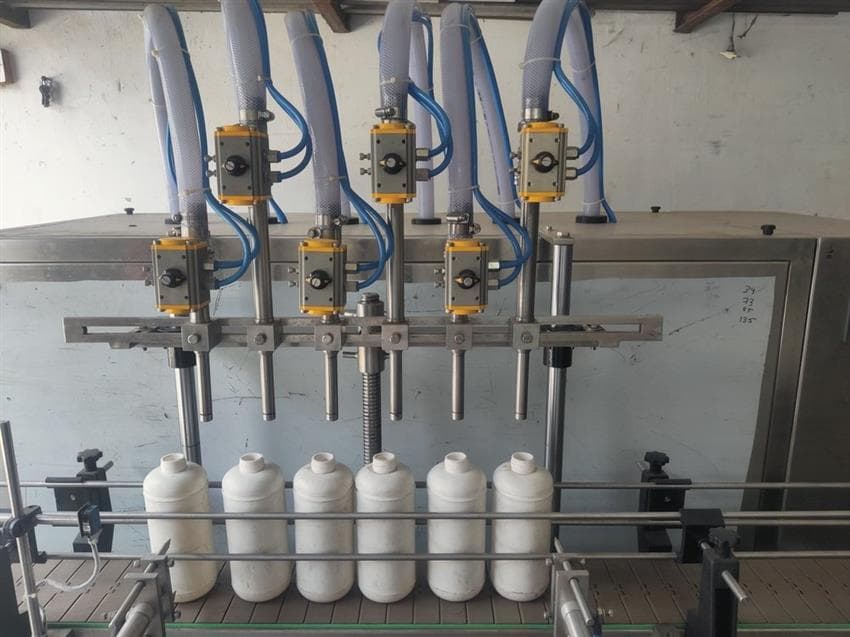
Filling liquid NPK, humic and fulvic products into bottles and cans. Viscosity and foaming determine nozzle type and filling method.
Fertilizer and Granulation PlantsIndustrial Plant Solutions
PRO MAKINA · Liquid Filling & Bottling
Overview
In a liquid filling machine, empty bottles or cans arrive at the filling station on a conveyor, are detected and positioned under the nozzles, and the liquid is filled in a controlled way. Filled containers move on to capping and labeling machines.
The filling method is selected for the liquid's density, viscosity, foaming tendency and required filling accuracy. Methods such as volumetric, flowmeter, weighing or piston filling are assessed from project data. For foaming products, nozzle type and filling speed matter; for dripping products, the nozzle shut-off arrangement.
The material of wetted pumps, valves, hoses and seals is selected for the chemical properties of the liquid. For abrasive or corrosive liquids, this choice directly affects machine life.
01Process Flow
The diagram shows the flow in which empty containers are fed, bottles are positioned, liquid is filled in a controlled way and filled containers are transferred to the capping and labeling line. Capping and labeling are separate machines.
Scroll horizontally to view the full diagram.
Empty container feed: Empty bottles or cans arrive at the filling station on a conveyor.
Positioning: Containers are detected and stopped under the nozzles.
Controlled filling: Liquid is filled to the target quantity with the selected method.
Transfer: Filled containers move on to capping and labeling machines.
Product supply: Liquid is fed from the storage tank to the filling head by pump or gravity.
Filling speed and accuracy depend on liquid properties, container volume, number of nozzles and filling method, and are defined per project.
02Applications
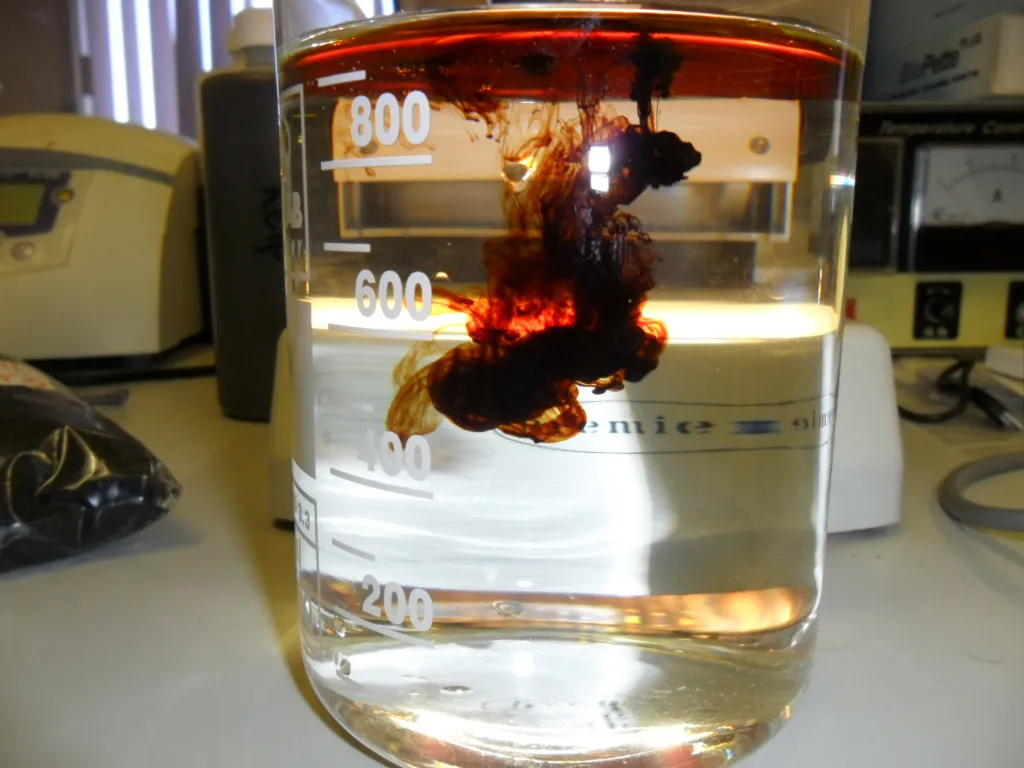
01Filling liquid NPK, humic and fulvic products into bottles and cans. Viscosity and foaming determine nozzle type and filling method.
Fertilizer and Granulation Plants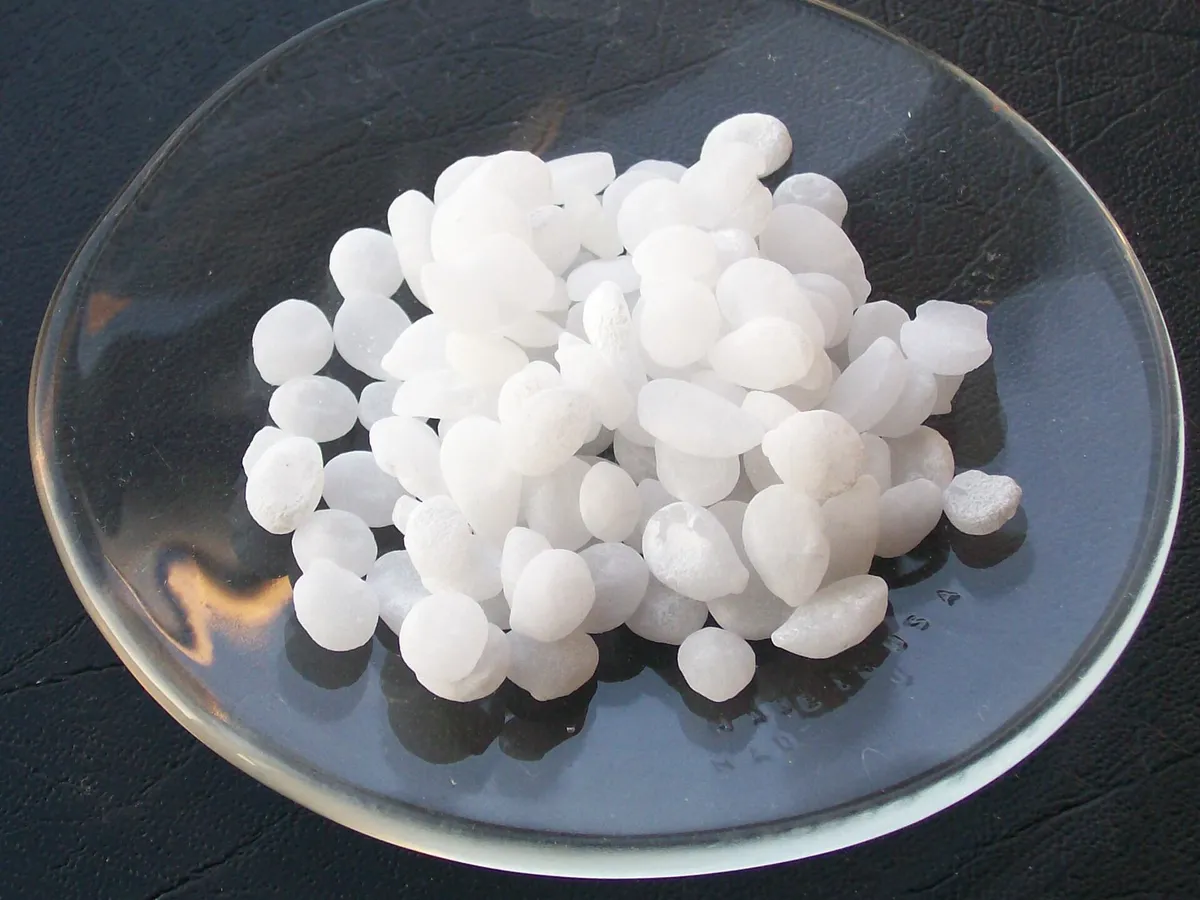 02
02Packaging suitable industrial chemicals. Chemical compatibility of wetted pumps, valves and seals is assessed together with operator safety.
Chemical and Process Industry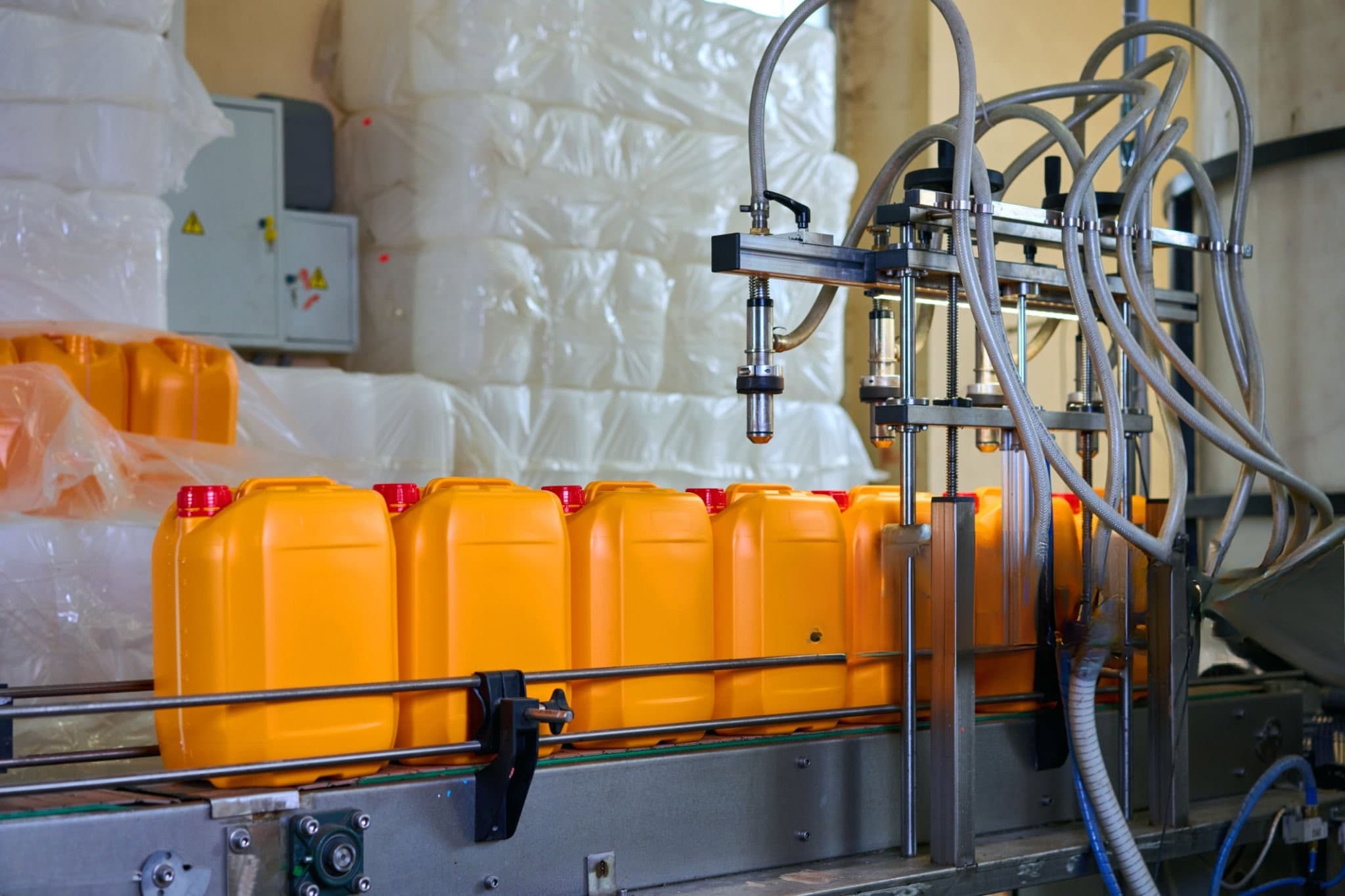 03
03Filling liquids supplied from a storage tank into cans. Can geometry and neck diameter affect nozzle layout and positioning.
Storage Tank03Design & Manufacturing
PRO MAKINA engineers liquid filling systems around the density, viscosity, foaming tendency and chemical properties of the liquid, and the container volume and geometry. Filling method, nozzles, wetted materials, conveyor and detection, and PLC/HMI automation are designed together.
Liquid Properties
Density, foaming tendency and chemical properties.
Viscosity
Flow behaviour and filling temperature.
Container Volume
Bottle or can volume, geometry and neck diameter.
Filling Principle
Volumetric, flowmeter, weighing or piston options.
Material Compatibility and Automation
Wetted materials, detection, PLC/HMI and line integration.
Filling speed, accuracy and number of nozzles are defined from liquid and container data; no generic values are stated on this page.
04FAQ
Empty containers arrive on a conveyor, are positioned under the nozzles and filled with the selected method; filled containers move on to capping and labeling.
Volumetric, flowmeter, weighing or piston methods are assessed by viscosity, foaming tendency and required accuracy.
No. Chemical compatibility and viscosity determine pump, valve and seal selection; materials are selected separately for corrosive products.
A liquid filling machine fills product into containers. A labeling machine applies labels to filled and capped containers; both can run in sequence on the same line.
Liquid type, density, viscosity and chemical properties, container type and volume, and required line capacity.
05Resources
Technical Quotation
Share your liquid, container and line capacity, and we will define the filling system together with you.
This site uses cookies required to run the website securely and correctly. With your consent, additional cookies may be used for performance measurement, user experience and marketing. For details see the Cookie Policy and Privacy Policy pages.