Agitated Reactor – Liquid Processes That Require Controlled Mixing

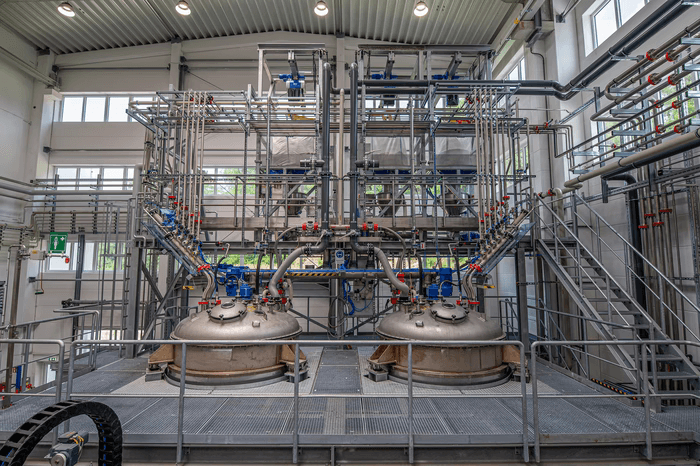
Two top-driven process reactors and piping on a platform

PRO MAKINA

Duty
Physical or chemical processes that require mixing
Agitator
Type, blade geometry and speed per product
Drive
Gear motor, shaft and bearings
Heating / cooling
Jacket or coil if the process requires

Overview

Homogeneous Mixing and Controlled Conditions in Liquid Processes

An agitated reactor is a process vessel in which liquid or liquid-solid components are kept in motion by an agitator to make them homogeneous, while temperature, time and feed sequence are controlled as the process requires. It can be used for blending, dissolution, extraction or chemical reaction steps.

Mixing performance mainly depends on agitator type (propeller, turbine, anchor etc.), impeller diameter and geometry, speed, position in the tank and baffles. These are selected according to product viscosity, density, solids content and the purpose of the process.

If the process requires heating or cooling, a jacket can be added to the shell or a coil inside the tank. Whether the reactor runs under pressure is defined by the process; agitated reactors operating at atmospheric pressure are not pressure reactors.
01Process Flow

Agitated Reactor Process Flow

The diagram shows the general flow in which raw materials are fed to the reactor, processed under controlled agitation and discharged after process control. Feed sequence, time and temperature follow the product recipe.

Agitated reactor process flow diagramProduct line: raw material feed, agitated reactor, process control and product discharge. Heating or cooling medium line if required.PRODUCT LINE1Raw material feedLiquids and solids2AGITATED REACTORcontrolled agitation3Process controlTemperature, level, time4DischargeStorage / fillingHEATING / COOLING (IF REQUIRED)AMedium inletJacket / coilBMedium returnUtility circuit

Scroll horizontally to view the full diagram.

Product line

  1. 1

    Raw material feed: Liquids are pumped in and solids added through the cover inlet in recipe order.

  2. 2

    Controlled agitation: The agitator keeps the mixture homogeneous at a speed suited to product viscosity.

  3. 3

    Process control: Temperature, level and time are monitored; samples are taken if required.

  4. 4

    Product discharge: Finished product leaves through the bottom valve to storage, filtration or filling.

Heating / cooling line (if required)

  1. A

    Heating or cooling: If required, a heating or cooling medium is supplied to the jacket or coil.

  2. B

    Medium return: The medium returns to the plant utility circuit.

A heating or cooling circuit is added only if the process requires it; it is shown as a dashed line in the diagram.

02Applications

Agitated Reactor Applications

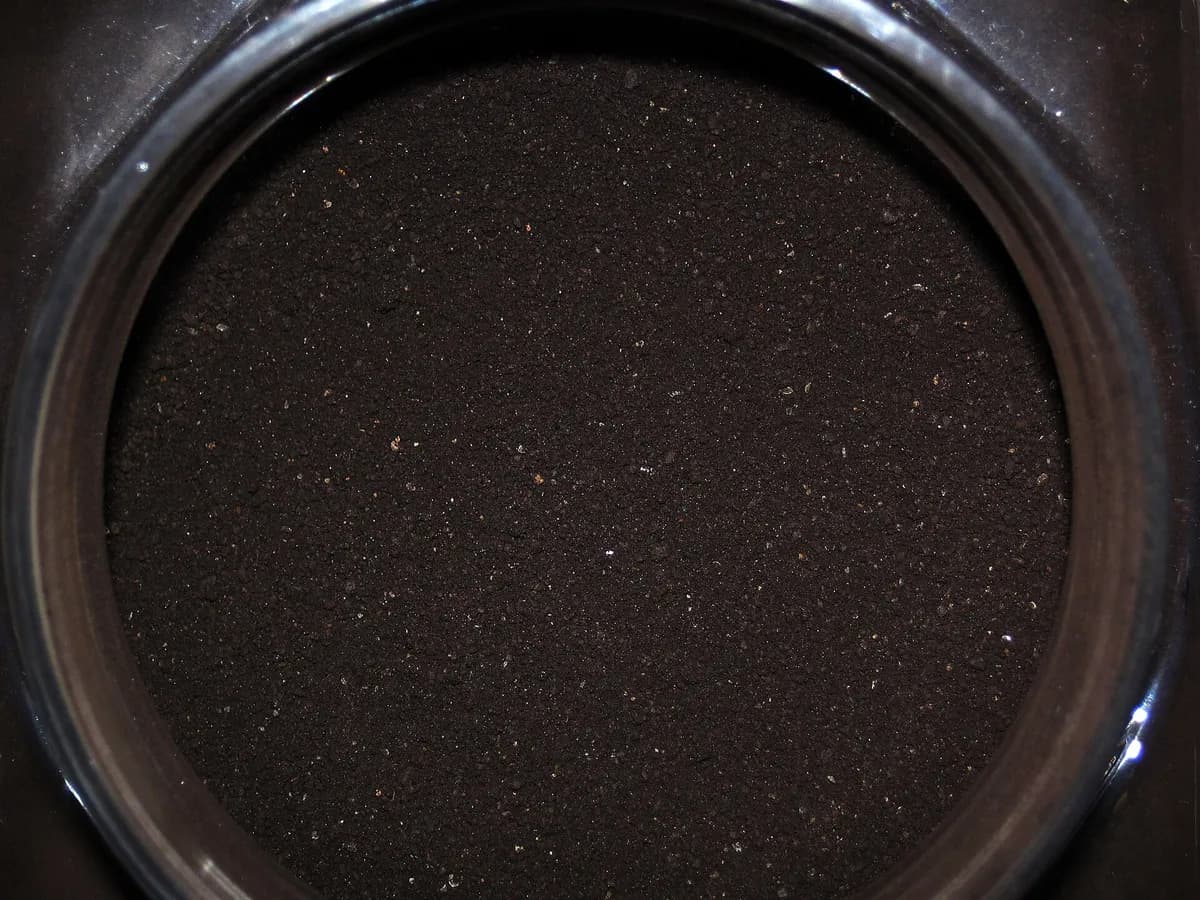
Ground dark leonardite in a glass container01

Humic and Fulvic Liquid Fertilizers

Extracting humic sources such as leonardite by mixing in an alkaline solution. Solids ratio, time and temperature are set from raw material analysis; the insoluble fraction is separated in a later step.

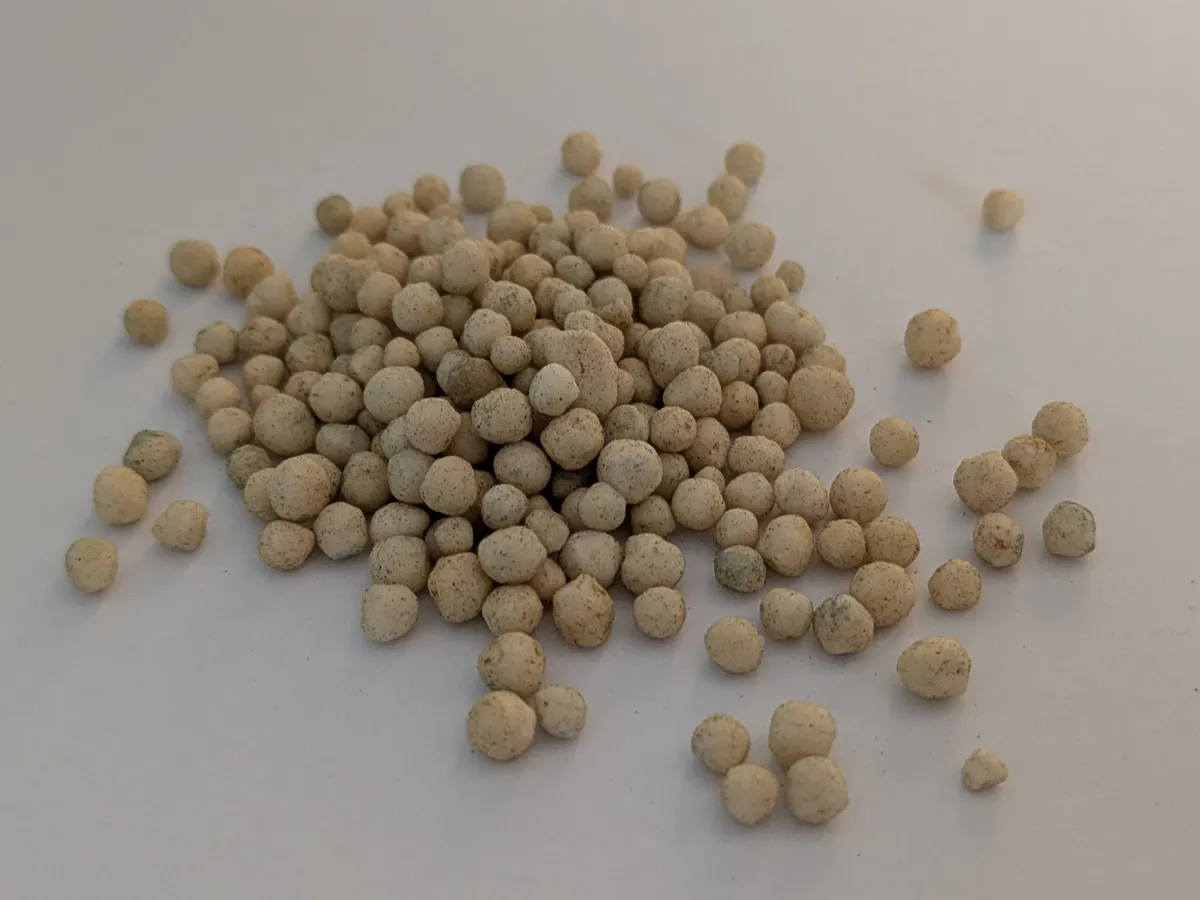
Fertilizer and Granulation Plants
Calcium ammonium nitrate fertilizer pellets on a white surface02

Liquid and Suspension Formulations

Mixing fertilizer raw materials with water and additives into a homogeneous liquid or suspension product. If the only goal is to dissolve a solid, a dissolution tank can be the simpler solution.

Dissolution Tank
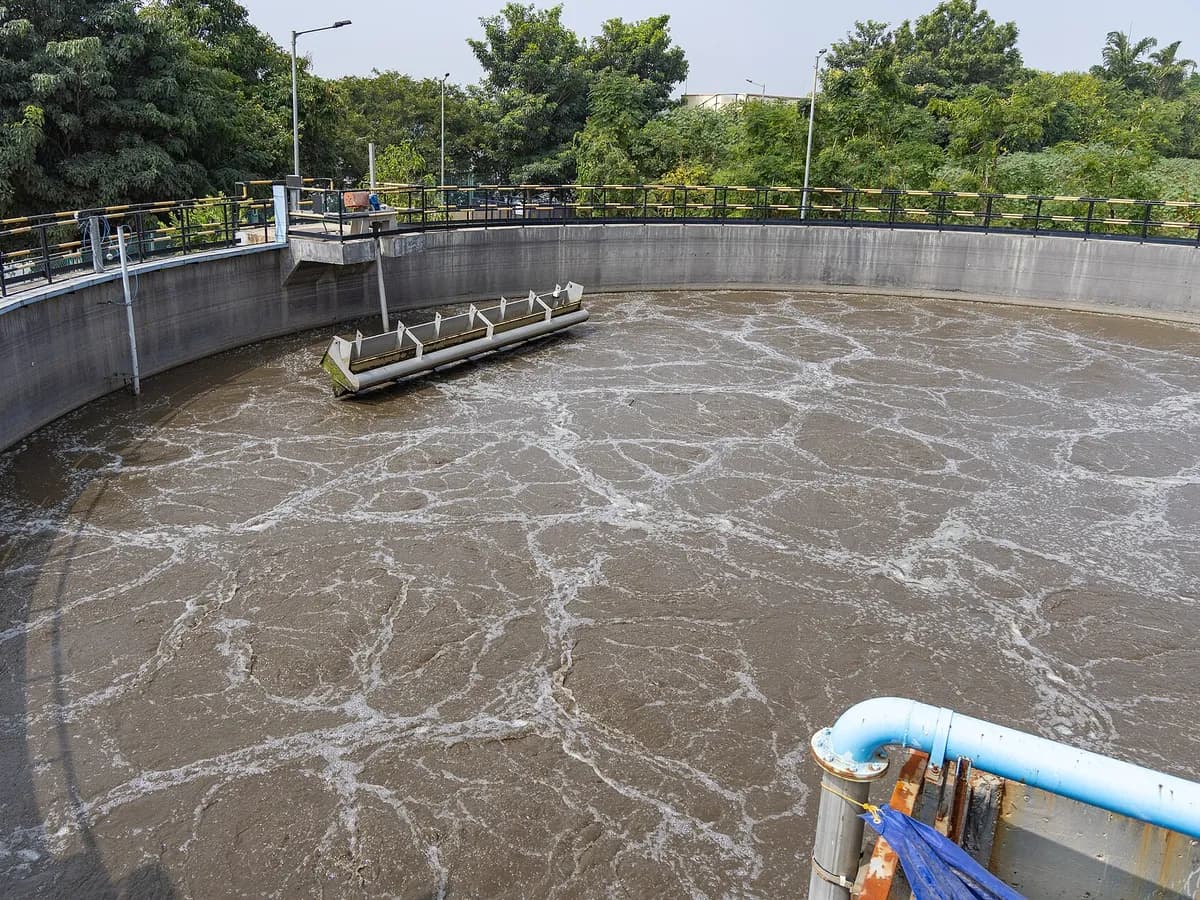
Aeration tank at a wastewater treatment plant03

Treatment and Process Chemicals

Preparing and keeping homogeneous the coagulant, pH correction or polymer solutions used in treatment plants. Low-speed mixing is preferred for polymer solutions to protect their structure.

Sewage Sludge and Treatment Solutions
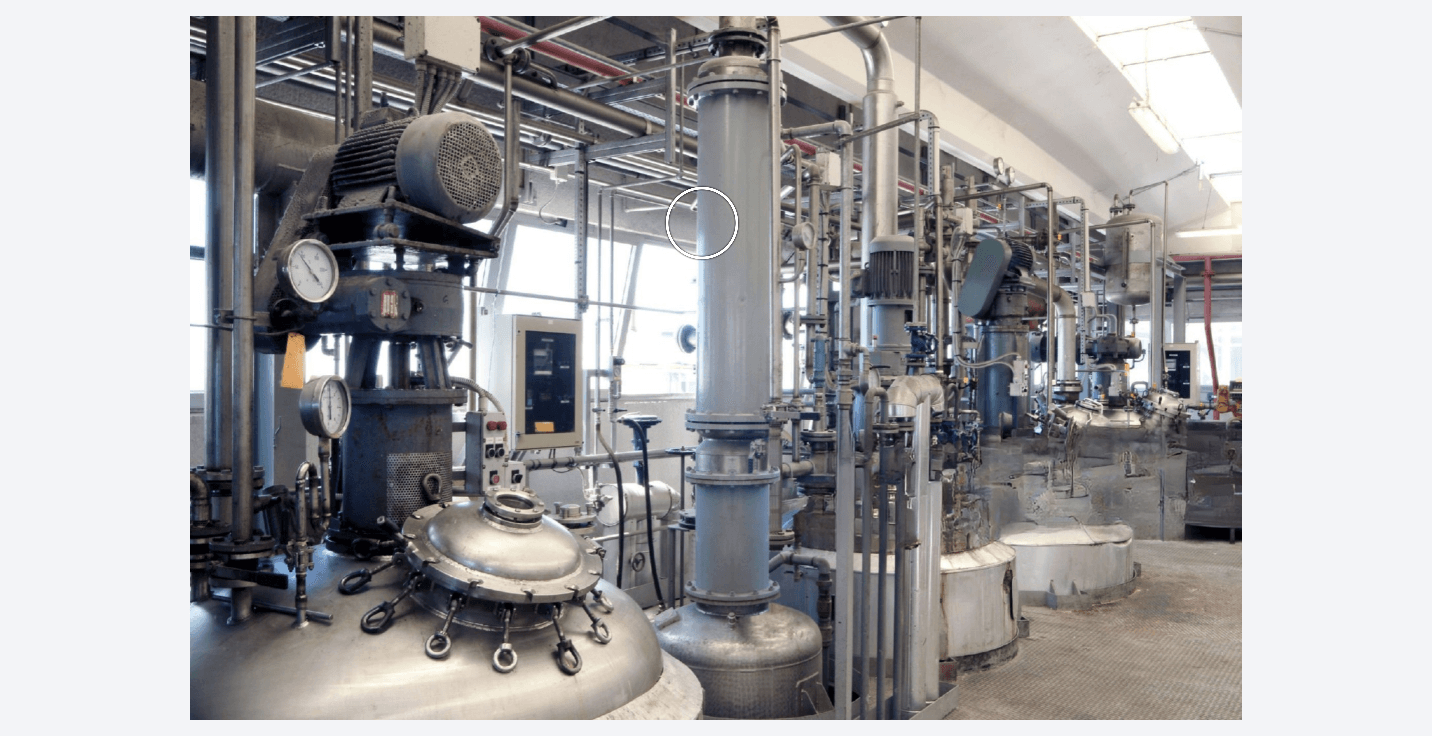
Gear motor drive unit and pressure gauges on a reactor cover

03Design & Manufacturing

Custom Agitated Reactor Design and Manufacturing

PRO MAKINA engineers agitated reactors around the process purpose, working volume, product viscosity and density, solids content and corrosion conditions. Shell, agitator and drive, sealing, connections and measuring points are designed together.

  • Agitator type and speed for the product
  • Gear motor, shaft and bearings
  • Shell material suited to corrosion
  • Maintenance access and sealing

Process Design Data

  1. 01

    Process Purpose

    Blending, dissolution, extraction or reaction; raw materials and recipe.

  2. 02

    Volume and Product

    Working volume, viscosity, density and solids content.

  3. 03

    Agitator and Drive

    Agitator type, blade geometry, speed, gear motor, shaft and bearings.

  4. 04

    Material and Sealing

    Corrosion resistance, shaft sealing and manholes.

  5. 05

    Instruments and Automation

    Temperature and level measurement, feed and discharge connections, plant integration.

Reactor volume, agitator speed and drive power are calculated from product and process data; no generic values are stated on this page.

04FAQ

Agitated Reactor FAQ

What is an agitated reactor used for?

It is process equipment in which liquid or liquid-solid components are made homogeneous by an agitator while temperature, time and feed sequence are controlled as the process requires.

How is the agitator type selected?

Product viscosity, density, solids content and the process purpose are decisive. Propeller or turbine agitators are considered for low viscosity, anchor agitators for high viscosity.

Does an agitated reactor run under pressure?

Not every agitated reactor runs under pressure. If the process does not require pressure, an atmospheric design is sufficient; where pressure is needed, a pressure reactor is assessed separately.

Can heating or cooling be provided?

If the process requires it, a jacket on the shell or a coil inside the tank can provide heating or cooling. Method and surface area are defined from process data.

What information is needed for a quotation?

Process purpose, raw materials and recipe, working volume, product viscosity and density, temperature requirement and chemical properties.

05Resources

Related Machines and Plants

Technical Quotation

Request a technical quotation for an agitated reactor

Share your process, raw materials and working volume, and we will define the agitated reactor together with you.

Information Needed for a Technical Quotation

  • Process purpose and raw materials
  • Working volume or batch size
  • Product viscosity and density
  • Solids content
  • Heating or cooling requirement
  • Chemical properties and corrosion conditions
WWhatsApp

Cookie Preferences

This site uses cookies required to run the website securely and correctly. With your consent, additional cookies may be used for performance measurement, user experience and marketing. For details see the Cookie Policy and Privacy Policy pages.