Cooling Tank – Controlled Cooling of Liquid Process Products

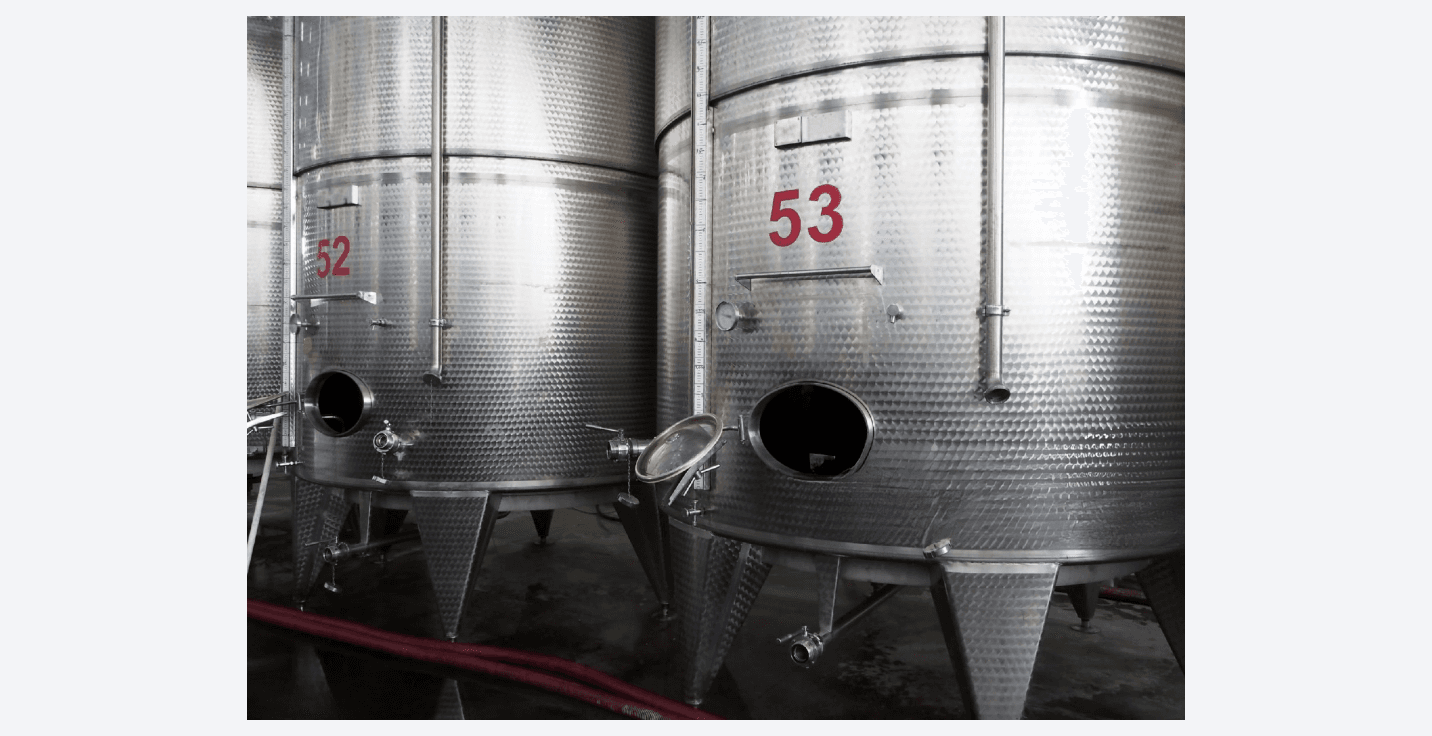
Vertical stainless steel process tanks with jacketed shells

PRO MAKINA

Duty
Controlled cooling of hot liquid product
Cooling method
Jacket, coil or external heat exchanger (per project)
Control
Product temperature measurement and monitoring
Volume and temperatures
Calculated from process data

Overview

Bringing Hot Liquid Product to Its Target Temperature

A cooling tank is a process tank in which a hot liquid or pumpable product leaving a reaction, dissolution or heating step is brought to a suitable temperature for storage, filling or the next process. While the product is held in the tank, its heat is transferred to a cooling medium.

Heat transfer can be provided by a cooling jacket welded to the shell, an internal coil, or an external heat exchanger through which the product is circulated by a pump. The method depends on product viscosity, cleaning requirements, the heat to be removed and the cooling medium available on site.

An agitator can be added if the product must cool uniformly inside the tank. Not every cooling tank has an agitator; it may not be needed for low-viscosity products or products cooled by circulation.
01Process Flow

Cooling Tank Process Flow

The diagram shows the general flow in which hot liquid product is received in the tank, cooled in a controlled way and discharged once it reaches the target temperature. The cooling circuit (cooling tower, chiller etc.) is assessed separately according to the plant's existing utilities.

Cooling tank process flow diagramProduct line: hot product feed, cooling tank, temperature control and discharge of cooled product. Cooling medium line: medium inlet and return.PRODUCT LINE1Hot productReactor / dissolution2COOLING TANKcontrolled cooling3Temperature controlMeasurement4DischargeStorage / fillingCOOLING MEDIUMAMedium inletJacket / coil / exchangerBMedium returnCooling circuit

Scroll horizontally to view the full diagram.

Product line

  1. 1

    Hot product feed: Hot product from the previous step enters the tank by pump or gravity.

  2. 2

    Controlled cooling: Product heat is transferred to the cooling medium through the heat transfer surface.

  3. 3

    Temperature monitoring: Product temperature is measured; cooling medium flow is adjusted if required.

  4. 4

    Discharge of cooled product: Product at target temperature goes to a storage tank, filling line or the next process.

Cooling medium line

  1. A

    Medium inlet: Cooling water or a suitable cooling medium is supplied to the heat transfer surface.

  2. B

    Medium return: The warmed medium returns to the plant cooling circuit.

Cooling time depends on product quantity, inlet and target outlet temperature, heat transfer area and cooling medium temperature. These values are calculated per project.

02Applications

Cooling Tank Applications

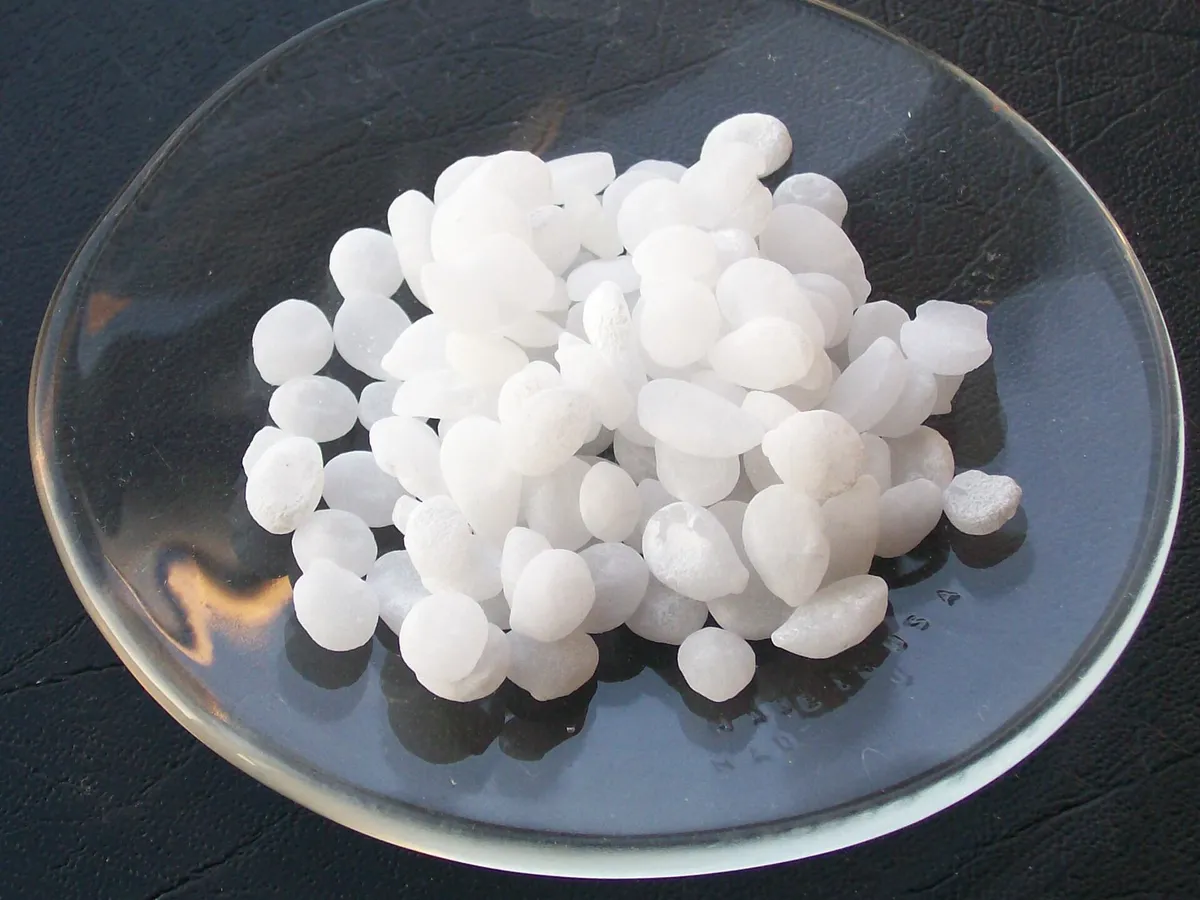
White sodium hydroxide pellets on a watch glass01

Exothermic Chemical Solutions

Bringing solutions made with raw materials that release heat on dissolving, such as sodium hydroxide, to a safe temperature before storage or use. Shell material is selected for the corrosiveness of the solution.

Chemical and Process Industry
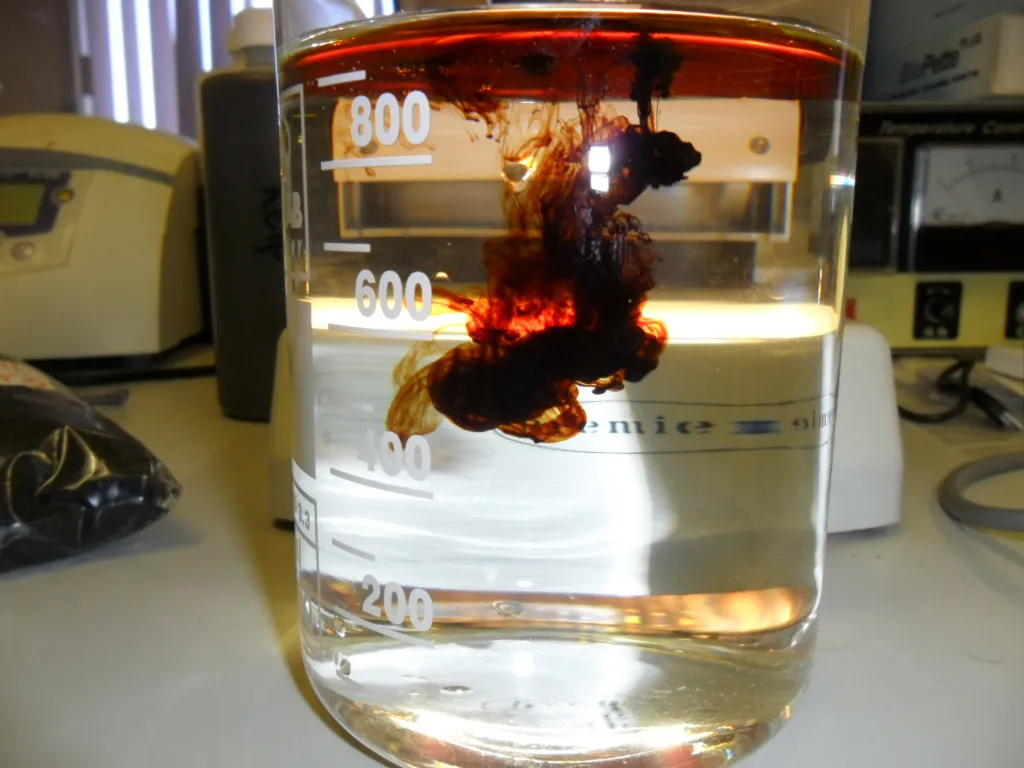
Dark liquid potassium humate dispersing in a beaker of water02

Liquid Fertilizer Processes

Cooling liquid fertilizer products that leave a heated extraction or dissolution step hot, before storage and filling. Product viscosity directly affects the heat transfer method.

Fertilizer and Granulation Plants
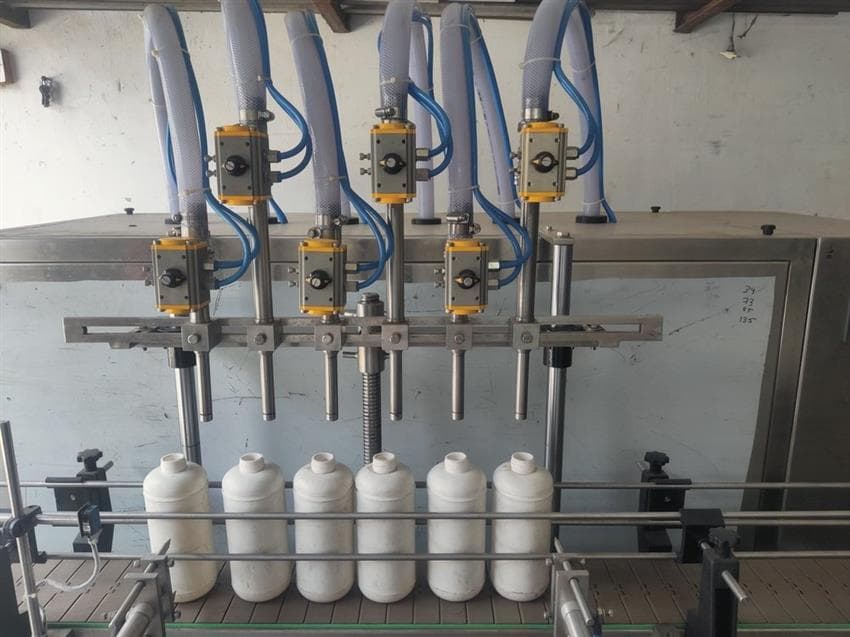
Plastic bottles under the nozzles of a liquid filling machine03

Cooling Before Filling

Bringing hot-prepared liquid products to the target temperature before filling into plastic packaging. Tank volume is set together with the filling line rate and cooling time.

Packaging and Filling Systems

03Design & Manufacturing

Custom Cooling Tank Design and Manufacturing

PRO MAKINA engineers cooling tanks around the product type and physical properties, inlet and target outlet temperature, batch size or flow rate and the cooling medium available on site. Heat transfer method, shell material, insulation and connections are selected together.

  • Heat transfer method chosen for the product
  • Shell material suited to corrosion
  • Temperature measurement and monitoring
  • Agitator if the process requires it

Process Design Data

  1. 01

    Product

    Product type, density, viscosity and corrosive properties.

  2. 02

    Temperatures

    Product inlet temperature and target outlet temperature.

  3. 03

    Volume and Time

    Batch volume or continuous flow and allowable cooling time.

  4. 04

    Cooling Method

    Jacket, coil or external exchanger; cooling medium and its temperature.

  5. 05

    Shell and Connections

    Material, insulation, filling, discharge and instrument connections.

Tank volume, heat transfer area and cooling capacity are calculated from product and site data; no generic values are stated on this page.

04FAQ

Cooling Tank FAQ

How does a cooling tank work?

While hot product is held in the tank, its heat is transferred to a cooling medium through a heat transfer surface such as a jacket, coil or external exchanger. The product is discharged when it reaches the target temperature.

What is the difference between a cooling tank and a cooling drum?

A cooling tank cools liquid and pumpable products. A cooling drum cools granular and bulk solid products with air inside a rotating shell.

Does every cooling tank have an agitator?

No. An agitator is added when the product must cool uniformly in the tank. It may not be needed for low-viscosity products or products cooled by external circulation.

How is the cooling method selected?

Product viscosity, the heat to be removed, cleaning requirements, cooling time and the cooling medium available at the plant are assessed together.

What information is needed for a quotation?

Product type and properties, inlet and target outlet temperature, batch volume or flow rate, allowable cooling time and the available cooling medium.

05Resources

Related Machines and Plants

Technical Quotation

Request a technical quotation for a cooling tank

Share your product, temperatures and batch volume, and we will define the cooling tank together with you.

Information Needed for a Technical Quotation

  • Product type, density and viscosity
  • Product inlet temperature
  • Target outlet temperature
  • Batch volume or flow rate
  • Allowable cooling time
  • Available cooling medium
WWhatsApp

Cookie Preferences

This site uses cookies required to run the website securely and correctly. With your consent, additional cookies may be used for performance measurement, user experience and marketing. For details see the Cookie Policy and Privacy Policy pages.