 01
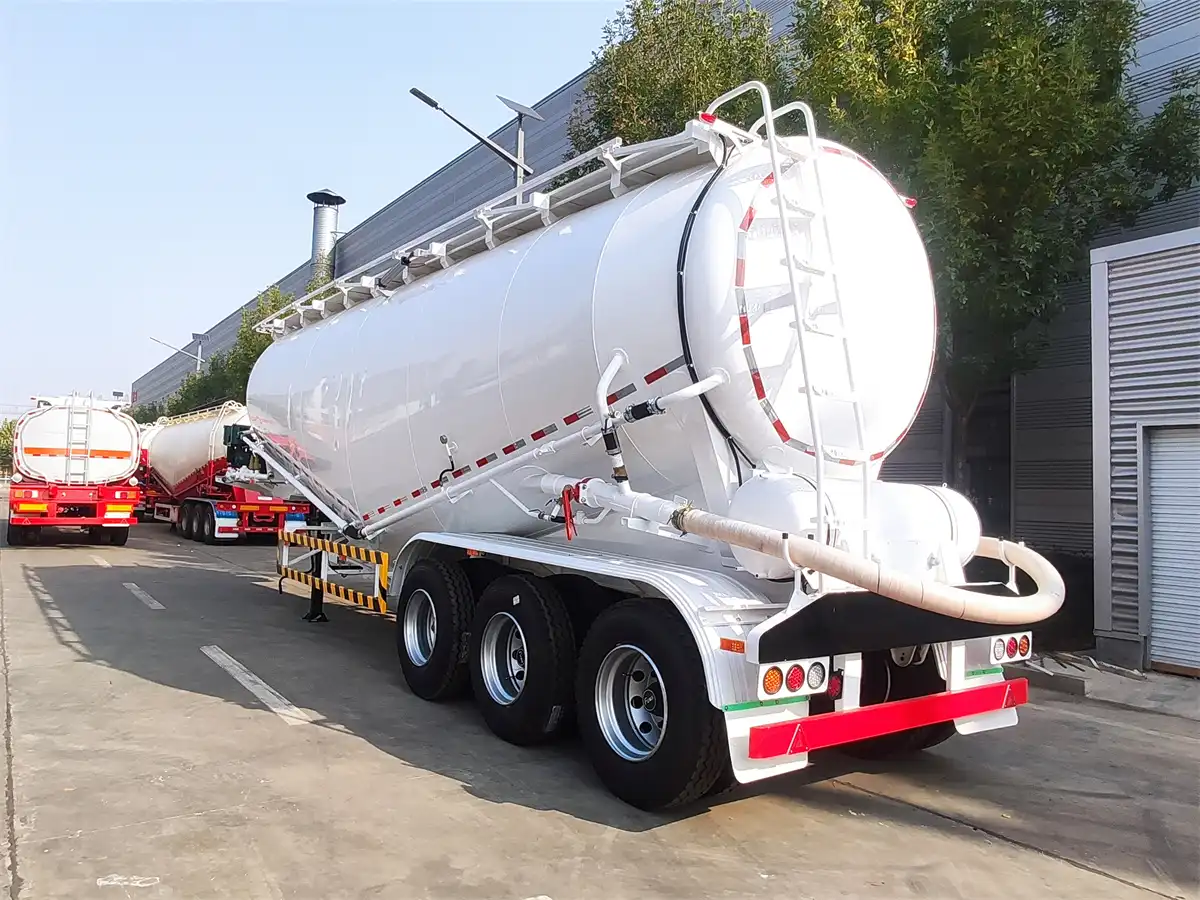
01Bulk Tanker Filling Below Silos
Loading powders from below a silo into closed bulk tankers. The spout seats on the tanker hatch and displaced air is extracted.
Silo SystemsIndustrial Plant Solutions
PRO MAKINA · Loading Bellows
Overview
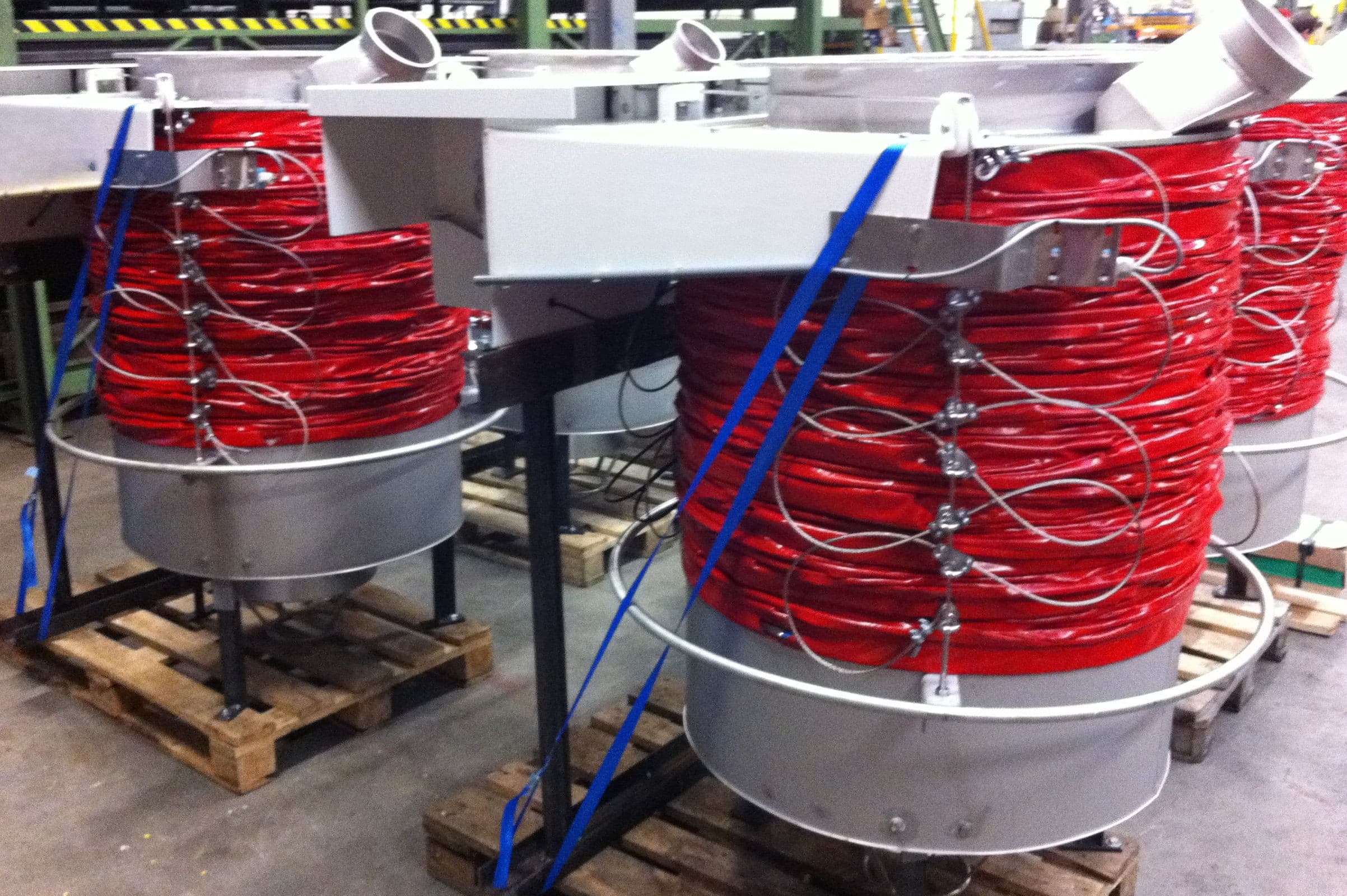
Loading bellows, also called a loading spout, are telescopic loading equipment that lowers bulk product from a silo, bunker or conveyor outlet into a bulk tanker, truck or open trailer. It does not convey horizontally; it carries the flow received from the upstream equipment down to the vehicle opening inside a closed line.
A powered hoist lowers the bellows to the vehicle's filling hatch or to the product surface. The product flows down the inner cone line while the outer bellows separates the flow from its surroundings. Dusty air displaced from the vehicle during filling is drawn to the dust collection system through the extraction connection on the bellows.
A level sensor at the outlet signals that the product has reached the spout; the feed from the upstream equipment is stopped and the bellows is raised. Spillage and dust release are reduced in this way.
01Process Flow
The diagram shows the product arriving from the upstream feed point, the bellows being lowered to the vehicle opening, controlled loading and the bellows being raised at the end of filling. Silo, bunker and dust filter are separate equipment.
Scroll horizontally to view the full diagram.
Upstream feed: Product arrives at the bellows inlet flange from a silo, bunker or conveyor outlet.
Lowering: The hoist lowers the bellows to the vehicle filling hatch or product surface.
Controlled loading: Product flows down the inner cone line; the outer bellows encloses the flow.
End of filling: The level sensor signals a full spout; the feed stops and the bellows is raised.
Displaced air: Dusty air leaving the vehicle is drawn through the bellows connection to the dust collection system.
The bellows stroke is determined by the height difference between the upstream connection and the vehicle filling opening.
02Applications
01Loading powders from below a silo into closed bulk tankers. The spout seats on the tanker hatch and displaced air is extracted.
Silo Systems 02
02Loading granular fertilizer from storage or product bunkers into trucks. Dust and particle breakage are reduced by shortening the free-fall height.
Fertilizer and Granulation Plants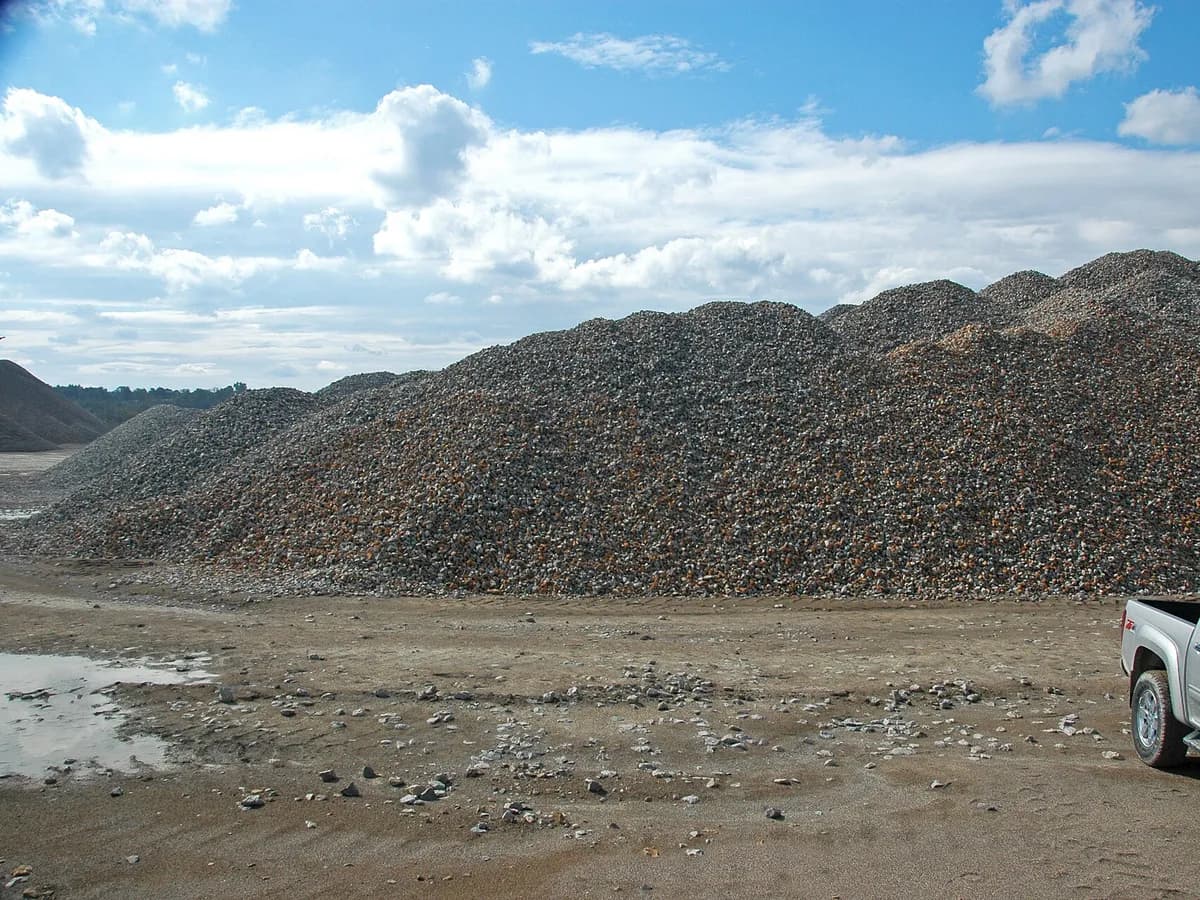 03
03Loading lime, sand, cement-like powders and minerals into vehicles. For products with a high dusting tendency the extraction connection is part of the design.
Mining and Mineral Processing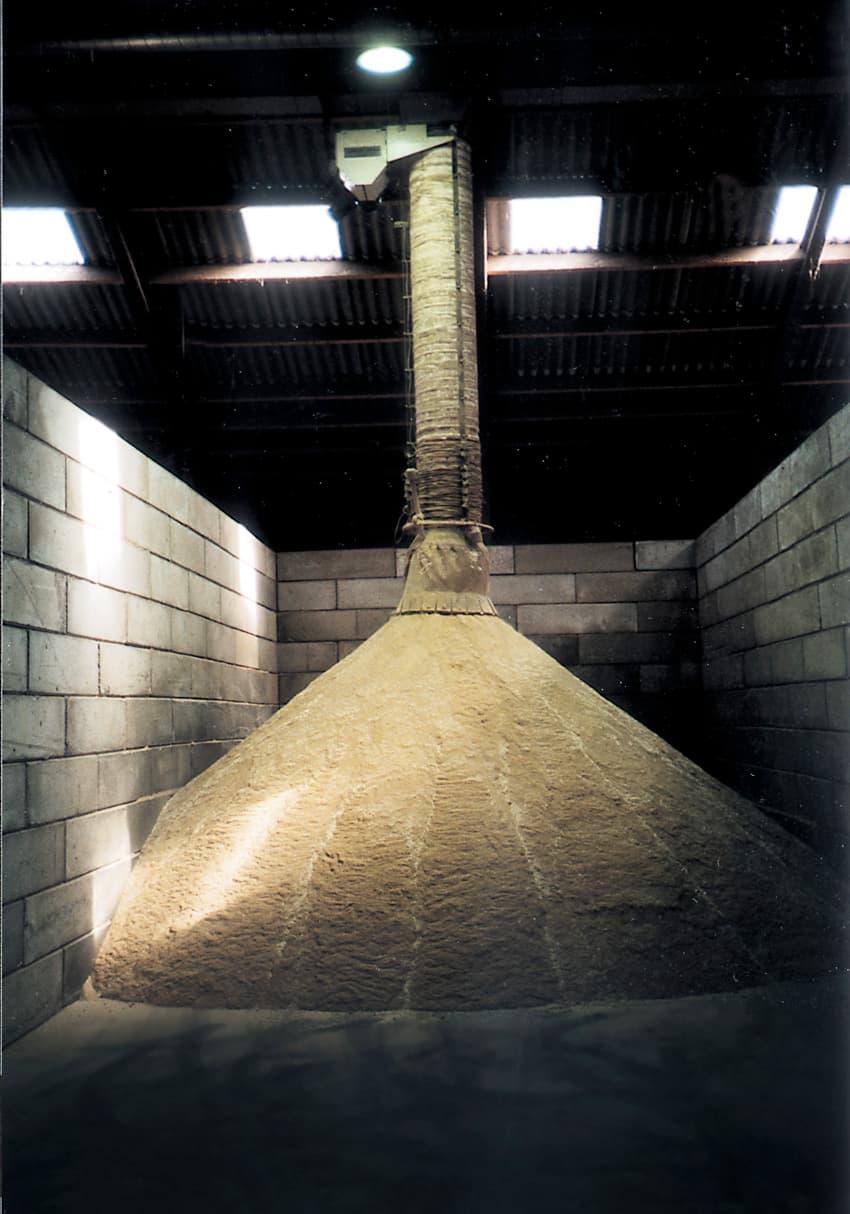 04
04Controlled discharge into open trailers without a closed hatch or onto a stockpile. Keeping the spout close to the product surface limits dust release.
Dust Collection Systems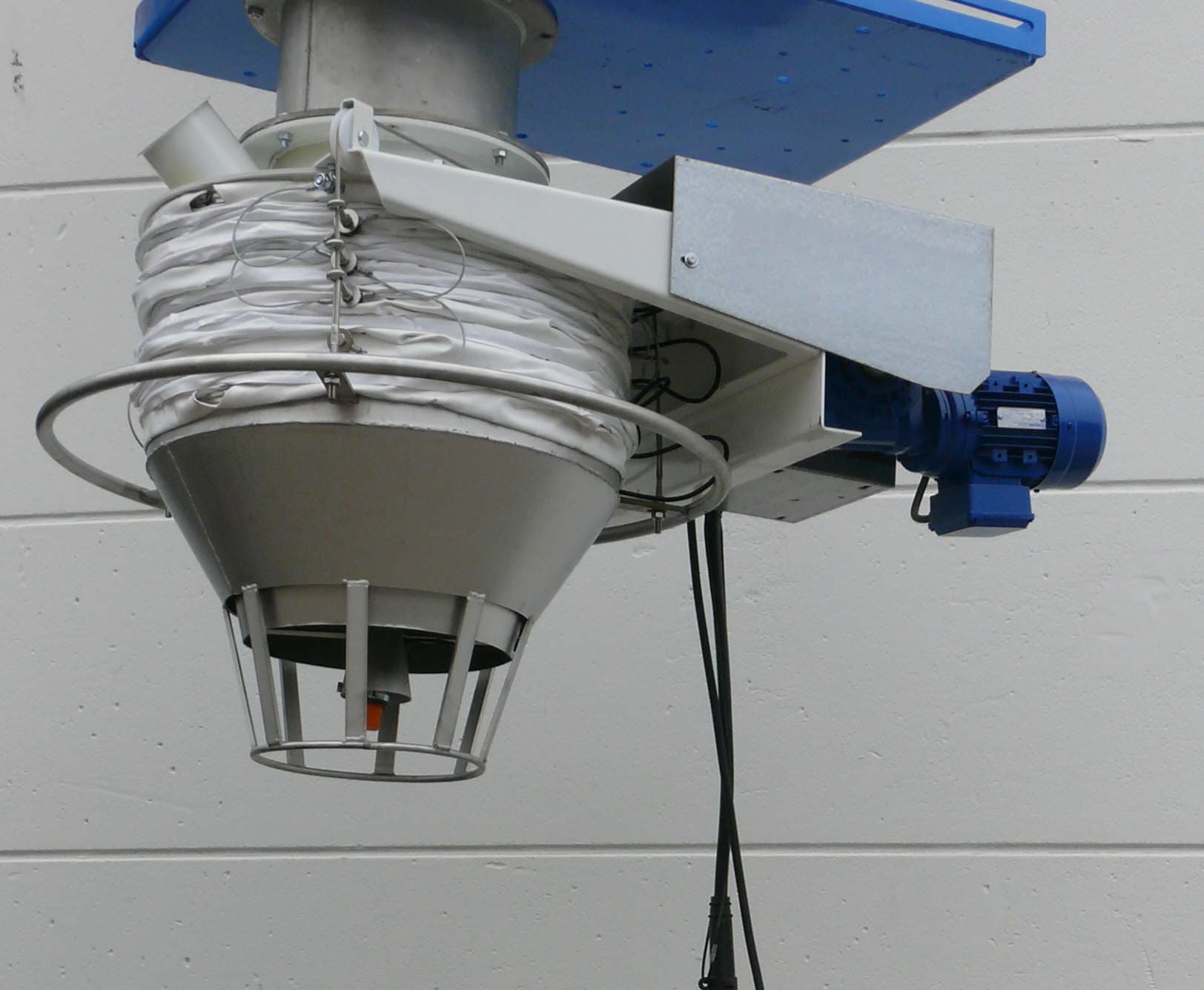
03Design & Manufacturing
PRO MAKINA engineers loading bellows around the product to be loaded, the vehicle type, the height difference between the upstream connection and the vehicle opening, and the dust control requirement. Bellows construction, inner flow line, hoist unit, outlet and sensors are selected together.
Product
Product type, particle size, bulk density and dusting tendency.
Vehicle and Opening
Bulk tanker, truck or open trailer; size and position of the filling opening.
Height and Stroke
Upstream connection height, vehicle opening height and required bellows travel.
Loading Rate
Product rate delivered by the upstream equipment and a matching flow section.
Dust and Control
Extraction connection, existing filter, local pendant and automation signals.
Bellows stroke, diameter and loading rate are defined from product and site data; no generic values are stated on this page.
04Gallery
05FAQ
They lower bulk product from a silo, bunker or conveyor outlet into a bulk tanker, truck or open trailer inside a closed line, reducing spillage and dust release.
A powered hoist lowers the bellows to the vehicle opening or product surface and raises it when filling is complete. It can be operated from a local pendant or from the automation system.
Dusty air displaced from the vehicle during filling is drawn through the extraction connection on the bellows to the dust collection system, either an existing filter or one added in the project.
No. The bellows lowers the product into the vehicle; the flow is started and stopped by the upstream equipment. The loaded quantity is determined by a weighbridge or a separate weighing system where required.
Product type and bulk density, particle size, vehicle type, upstream connection and vehicle opening heights, loading rate and dust extraction requirement.
06Resources
Technical Quotation
Share your product, vehicle type and the height difference at the loading point, and we will define the loading bellows together with you.
This site uses cookies required to run the website securely and correctly. With your consent, additional cookies may be used for performance measurement, user experience and marketing. For details see the Cookie Policy and Privacy Policy pages.