 01
01Fertilizer Storage
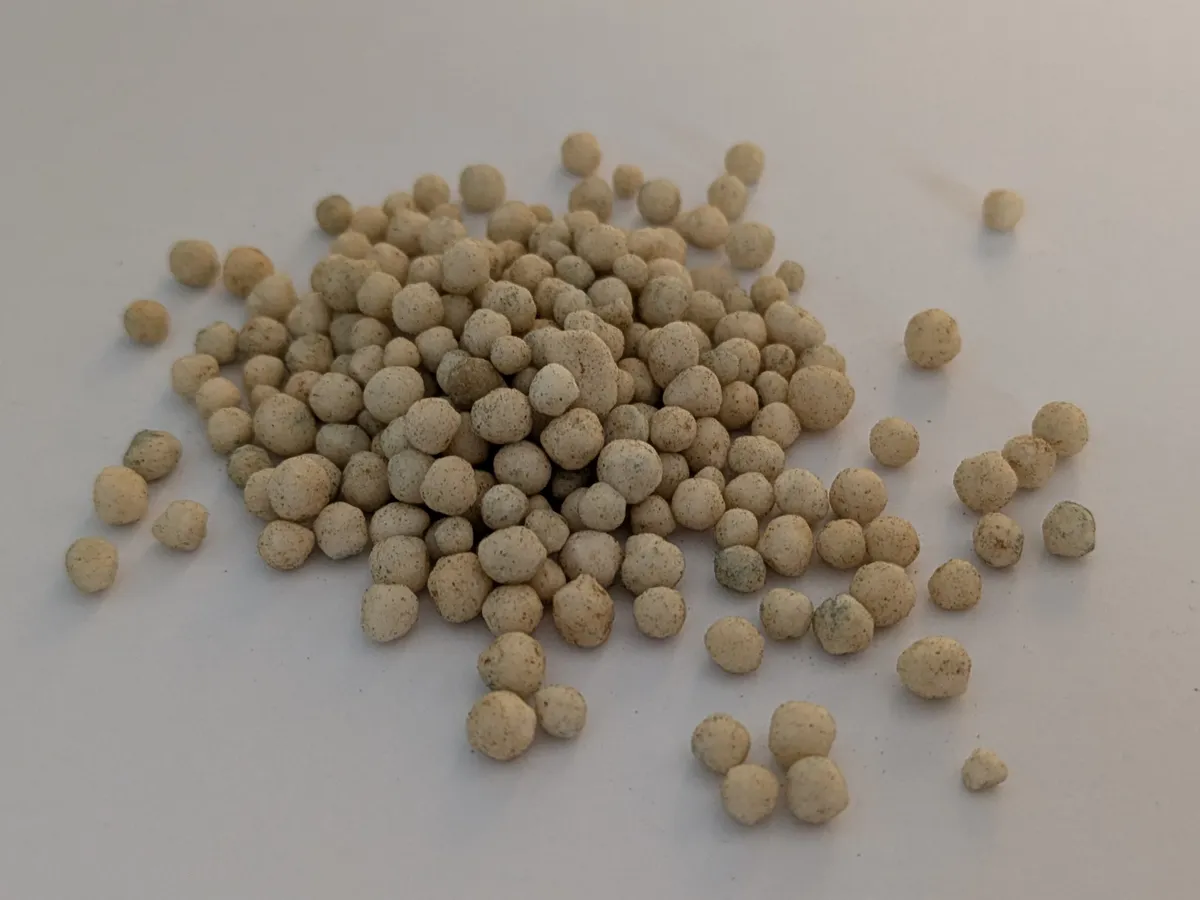
Storing granular fertilizer and fertilizer raw materials before production and shipment. Moisture control and caking risk are considered for hygroscopic products.
Fertilizer and Granulation PlantsIndustrial Plant Solutions
PRO MAKINA · Silo Systems
Overview
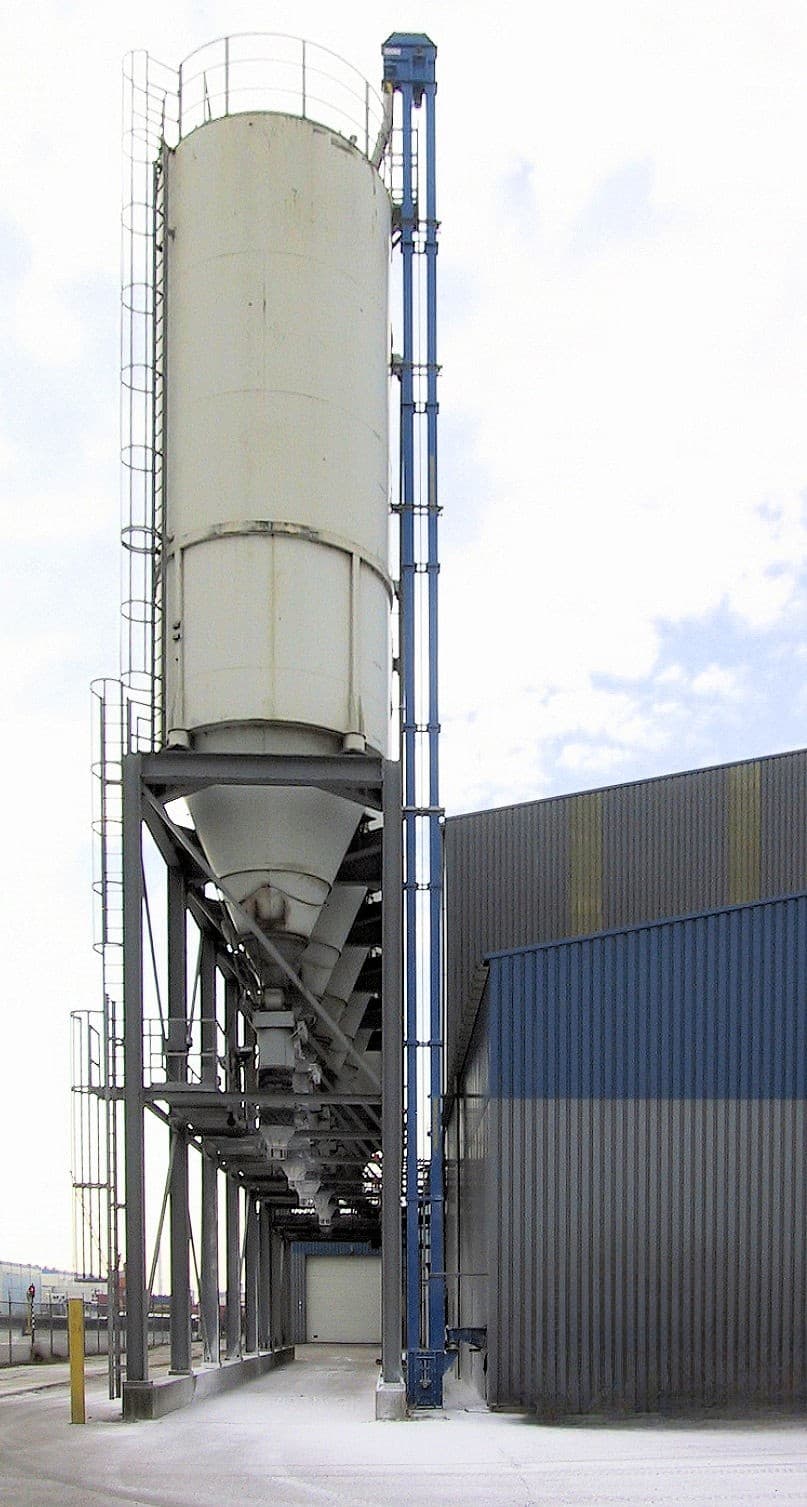
Silo systems store powder or granular bulk products as raw material stock before production, intermediate process stock or finished product stock before shipment. Product is fed from the top by elevator, conveyor or pneumatic line and discharged from the conical bottom when needed.
Safe operation depends largely on the product's flow behaviour. Bulk density, particle size, moisture, flowability and abrasiveness determine the cone angle, outlet size and discharge equipment. With the wrong geometry, bridging, arching or funnel flow through the centre only can occur.
Level measurement, venting and dust control are the basic auxiliary equipment of a silo. Load cells, flow aids or vibration are assessed according to product and process needs.
01Process Flow
The diagram shows the flow in which product is received and fed to the silo, stored in a controlled way, its level monitored, and discharged below the cone to the next equipment on demand. Elevators, conveyors and dosing equipment are separate machines.
Scroll horizontally to view the full diagram.
Receipt and filling: Product is fed into the top of the silo by elevator, conveyor or pneumatic line.
Controlled storage: Product is stored in a body designed for its flow behaviour.
Level monitoring: Level measurement allows filling and discharge to be managed.
Controlled discharge: Product leaves through the outlet below the cone to a screw, conveyor or dosing equipment.
Venting: Air displaced during filling is released to atmosphere, through a filter if required.
Cone angle and outlet are selected from a flow test or known flow properties of the product; this choice determines discharge stability.
02Applications
01Storing granular fertilizer and fertilizer raw materials before production and shipment. Moisture control and caking risk are considered for hygroscopic products.
Fertilizer and Granulation Plants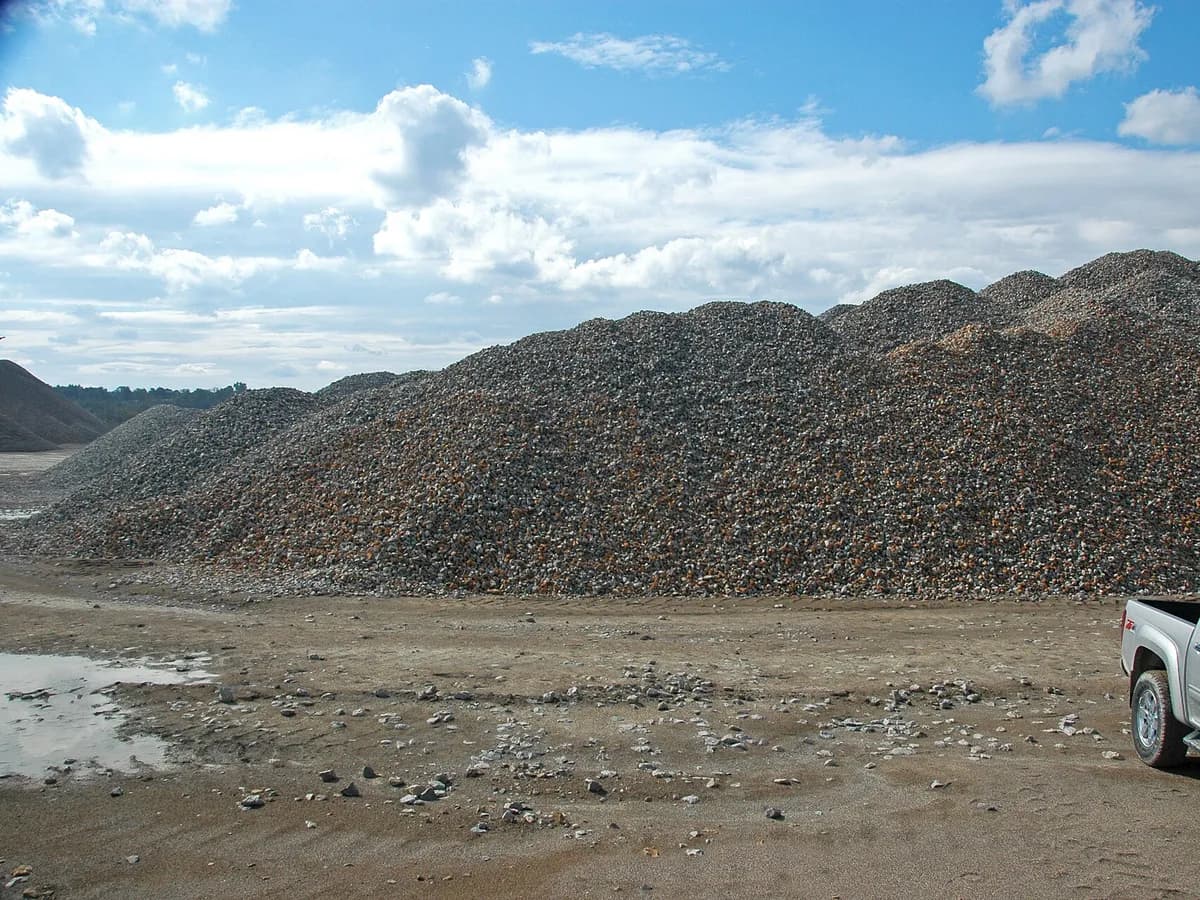 02
02Stocking limestone and similar minerals and powder raw materials before processing. For powders prone to bridging, cone angle and outlet size are especially important.
Mining and Mineral Processing 03
03Intermediate stock of free-flowing granular products such as dried sand. For abrasive products, the outlet area and discharge equipment are assessed for wear.
Rotary Dryer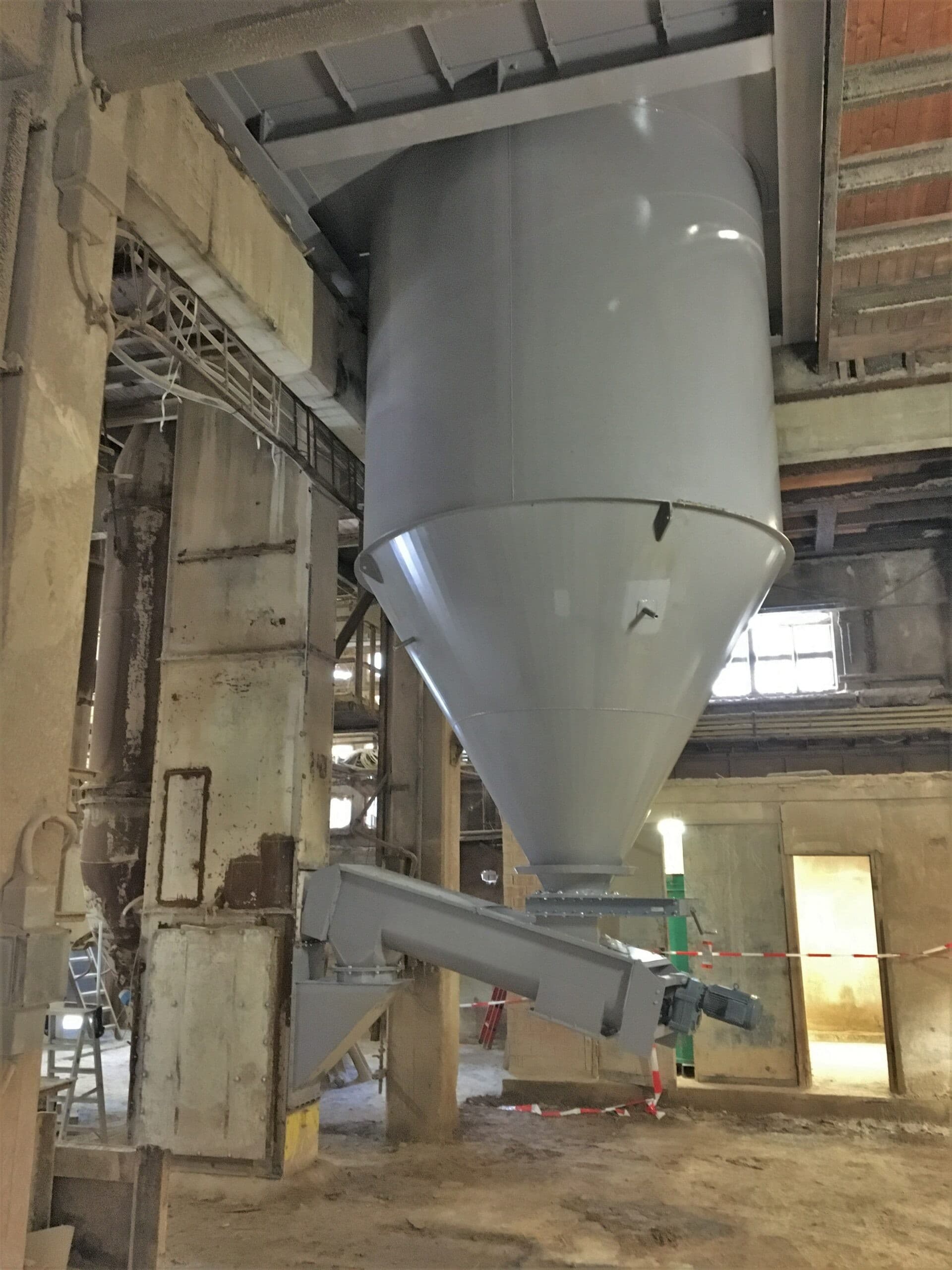
03Design & Manufacturing
PRO MAKINA engineers silo systems around the properties of the stored product, storage quantity, flow behaviour and site conditions. Body and cone geometry, filling and discharge connections, level measurement, venting and support structure are designed together.
Product
Product type, particle size, moisture and abrasiveness.
Storage Quantity
Required storage capacity and bulk density.
Geometry
Body diameter and height, cone angle and outlet.
Flow Behaviour
Flowability, bridging risk and flow aids if needed.
Discharge and Site
Discharge equipment, structure, site loads and installation.
Silo volume, dimensions and plate thicknesses are calculated from product and site data; no generic values are stated on this page.
04Gallery
05FAQ
A silo is for long-term, high-volume storage. Bunkers and hoppers are used for short-term buffering and feeding the next equipment.
Cone angle and outlet size determine whether the product flows steadily. The wrong choice can cause bridging, arching or irregular discharge.
No. Load cells, vibration or flow aids are assessed according to product and process needs; they are not standard equipment.
Air displaced during filling is released in a controlled way through the vent connection on top of the silo and a filter if required.
Product to be stored, bulk density, particle size, moisture, storage quantity, filling and discharge method, and site conditions.
06Resources
Technical Quotation
Share your product, storage quantity and site conditions, and we will define the silo system together with you.
This site uses cookies required to run the website securely and correctly. With your consent, additional cookies may be used for performance measurement, user experience and marketing. For details see the Cookie Policy and Privacy Policy pages.