Animal Waste Compost Plant: Process by Manure Type
We turn manure from cattle, poultry and small ruminant farms into a valuable product with mixing and composting adjusted to the manure type.
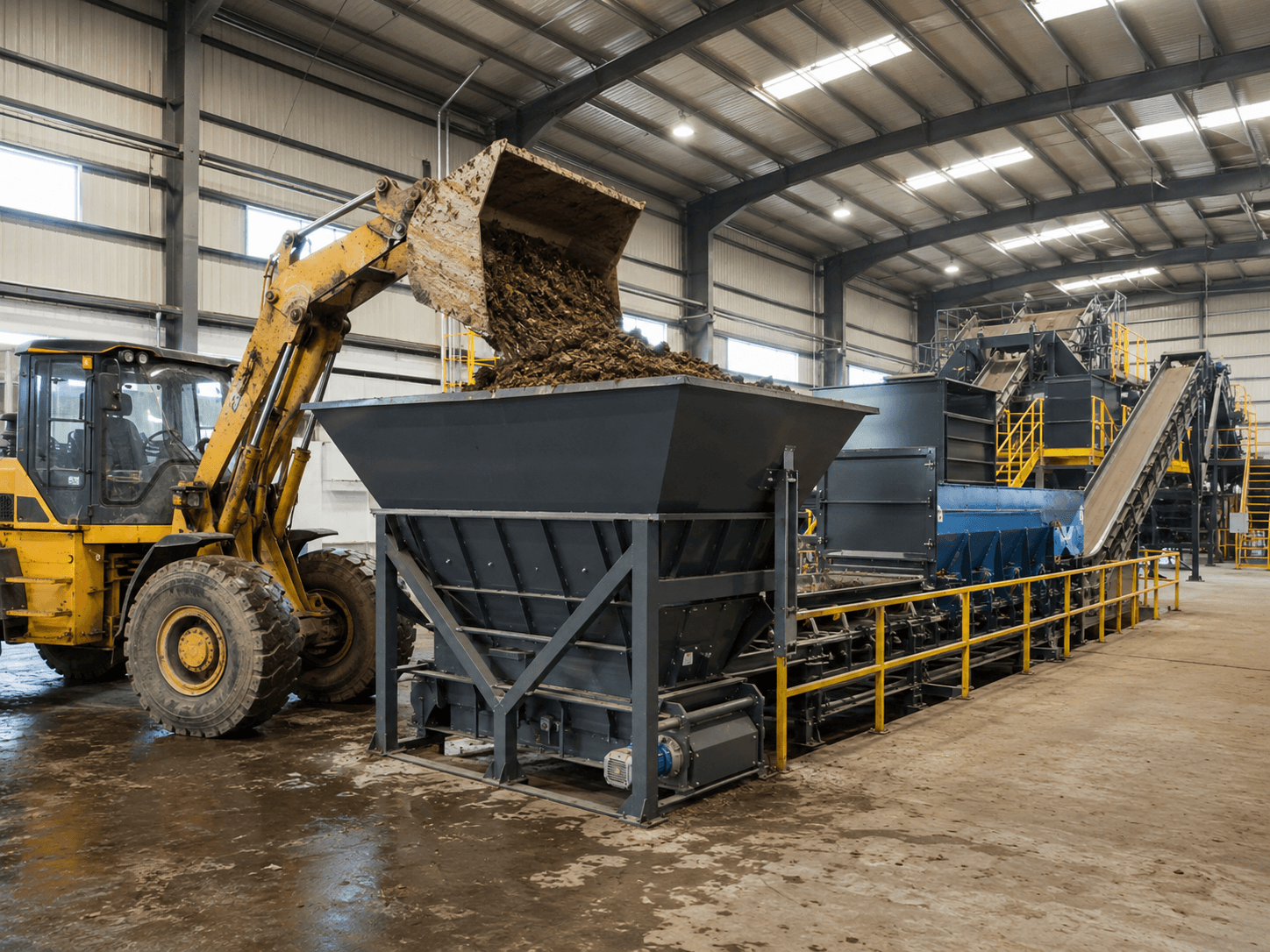
Why Does the Process Change With the Manure Type?
The first question in composting animal waste is which farm the manure comes from. Cattle manure is usually wet and needs structure material. Poultry manure is rich in nitrogen and has a strong ammonia odor. Sheep and goat manure arrives mixed with bedding and can be drier and more fibrous.
These differences define the mixing recipe: excess moisture is balanced with structure material such as straw, sawdust or compost oversize, and the carbon-nitrogen ratio is brought into a range suitable for composting. Mix homogeneity is decisive for a proper start of composting and a lower odor load.
The temperature rise during composting helps reduce pathogens and weed seeds. After maturation, screened compost can be sold in bulk, bagged or as granular product. For the turnkey plant scope, you can also review our animal waste compost plant page.
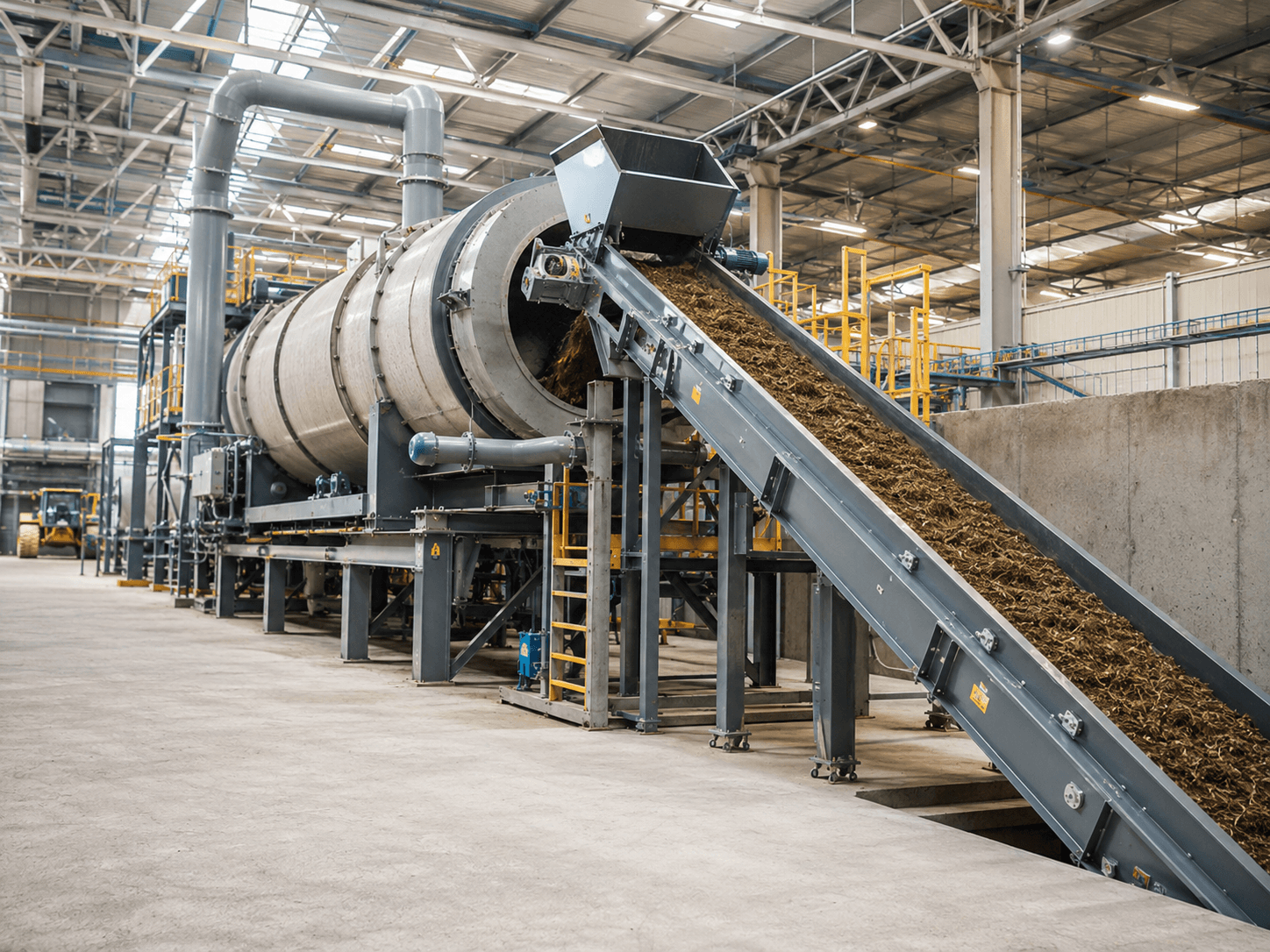
Animal Waste Composting Flow
The first steps of the flow are adjusted to the manure type; composting and screening are common.
Step 1
Manure intake
Manure type, moisture and bedding content are determined; manure is received into the bunker.
Step 2
Mixing recipe
Structure material and compost oversize ratios are defined for moisture and carbon-nitrogen balance.
Step 3
Mixing
Manure and structure material are blended into a homogeneous mix.
Step 4
Intensive composting
The mix is aerated to raise the temperature, which is monitored.
Step 5
Maturation
Compost is matured until it becomes stable.
Step 6
Screening and end product
Compost is screened; if needed it is dried and packed or sent to a granulation line.
Equipment Used in an Animal Waste Compost Plant
Bunkers and Hoppers
Bunkers for receiving and controlled feeding of manure and structure material.
View MachineScrew Conveyor
Steady conveying of wet and sticky manure from under the bunker.
View MachineMixing Drum
Homogeneous mixing of manure and structure material.
View MachineCompost Drum
Intensive composting of the mix in an enclosed environment.
View MachineTrommel Screen
Screening mature compost and recycling the oversize.
View MachineRotary Dryer
Reducing compost moisture when bagged or granular product is the target.
View MachineFrequently Asked Questions About Animal Waste Compost Plants
Can cattle and poultry manure be processed in the same plant?
Yes. However, because their moisture and nitrogen contents differ, the mixing recipe and structure material ratio are adjusted separately for each manure type.
How is ammonia odor reduced in poultry manure?
The carbon-nitrogen balance is improved by adding a carbon source, air extracted from enclosed areas is treated and the mix is kept homogeneous.
What is used as structure material?
Straw, sawdust, pruning waste or compost oversize can be used. The choice depends on local availability and manure moisture.
Does composting eliminate pathogens?
The temperature rise in controlled composting significantly reduces pathogens and weed seeds. The required conditions are monitored according to applicable regulations.
Can animal manure compost be turned into granular fertilizer?
Yes. Mature and screened compost can be turned into granular organic fertilizer with a granulation and drying line.
Quotation & Technical Consultation
Request a quote for your animal waste compost plant
Share your farm type, daily manure quantity and target product, and we will define mixing and composting capacity together.