Slaughterhouse Waste Compost Plant
We turn organic waste from slaughterhouses and meat processing plants into compost with enclosed processes that follow animal by-product rules.
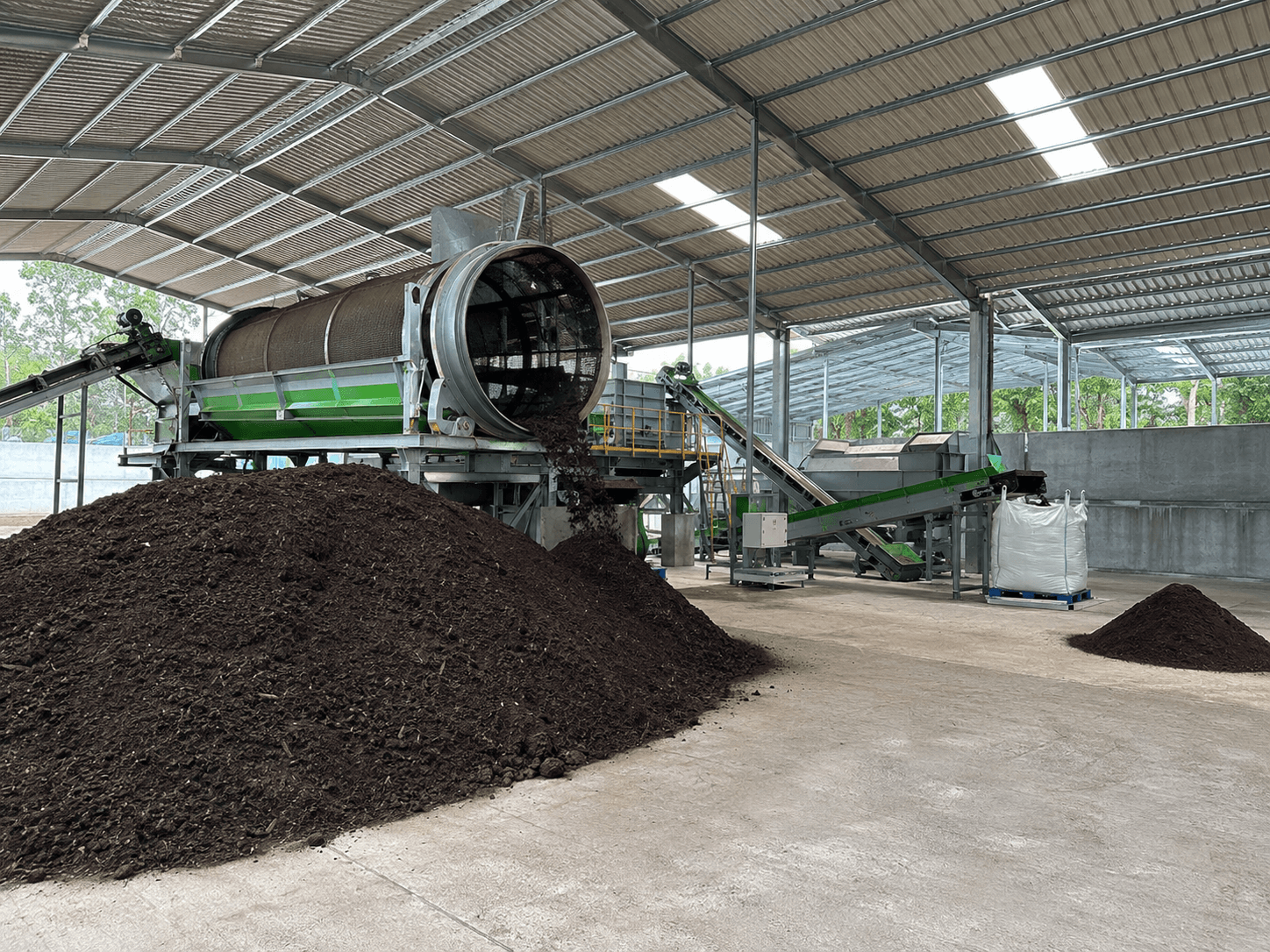
Regulation, Hygiene and Odor as Priorities in Slaughterhouse Waste
Slaughterhouse waste can consist of rumen content, manure from lairage areas, grease trap sludge and animal by-products. Part of this waste falls under animal by-product regulations, and the permitted processing method and the required heat treatment or hygienization conditions depend on rules set by the competent authority. Plant design therefore starts by clarifying the regulatory classification.
Slaughterhouse waste is wet, rich in protein and quickly becomes putrid. An enclosed reception area, leachate collection and exhaust air treatment should be considered mandatory in these plants. The waste is mixed with structure material to reach moisture and porosity suitable for composting.
Where required by regulation, shredding and controlled heat treatment are applied as pre-treatment, followed by intensive composting in an enclosed environment. After maturation and screening, the use of the product is determined by analysis results.
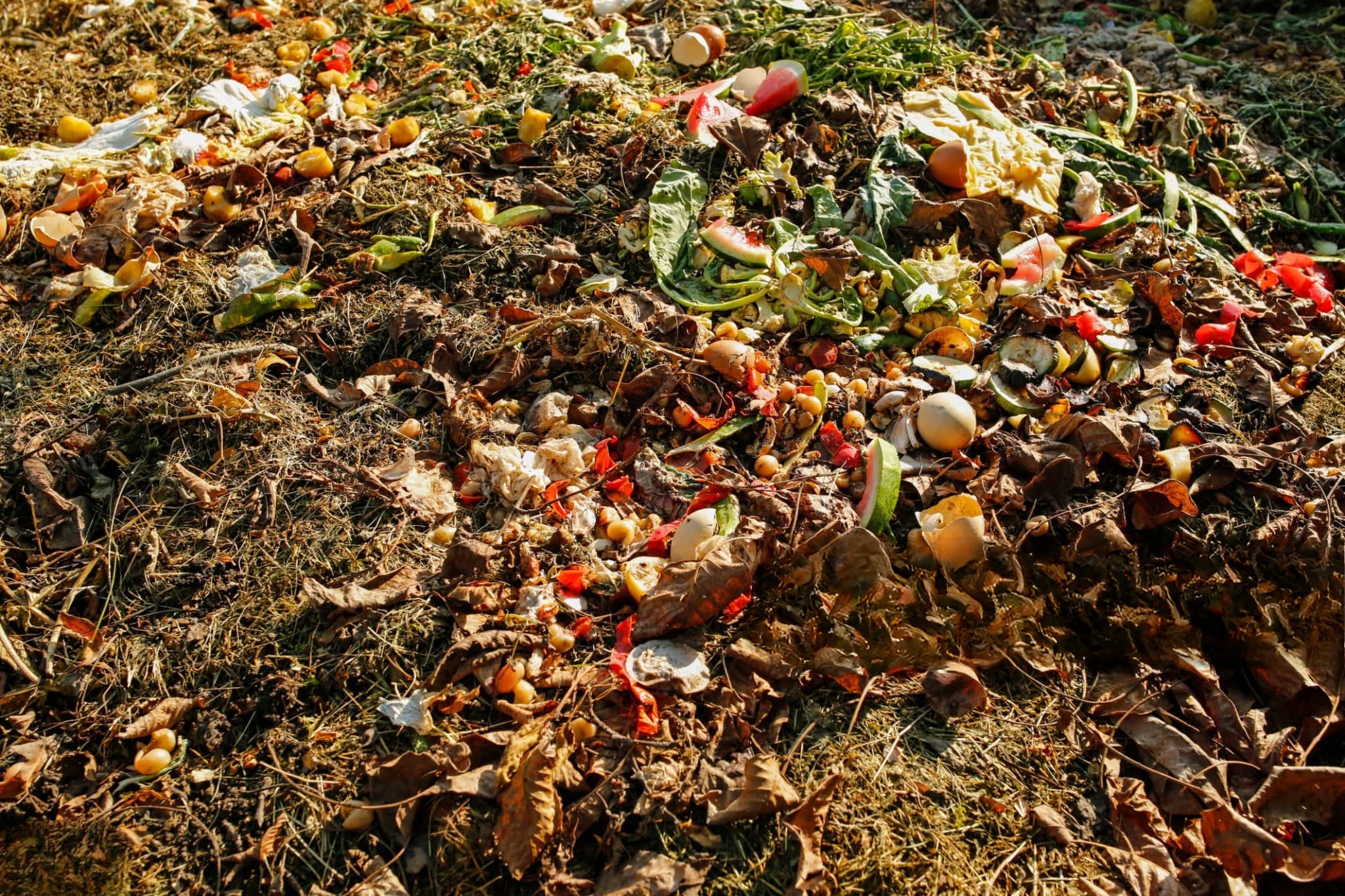
Slaughterhouse Waste Composting Flow
The conditions of the heat treatment and hygienization steps are defined by the waste's regulatory category.
Step 1
Waste classification
Waste streams are separated by regulatory category and the acceptable ones are defined.
Step 2
Enclosed reception
Waste is received in an enclosed area; leachate and odorous air are collected.
Step 3
Shredding
Large pieces are reduced to a size suitable for heat treatment and composting.
Step 4
Hygienization (if required)
Where required by regulation, the waste undergoes controlled heat treatment.
Step 5
Mixing and composting
Waste is mixed with structure material and composted in an enclosed environment.
Step 6
Maturation and screening
Stabilized compost is screened and its use is determined by analysis.
Equipment Used in a Slaughterhouse Waste Compost Plant
Shredder Systems
Shredding large slaughterhouse waste before heat treatment and composting.
View MachineScrew Conveyor
Enclosed conveying of wet and sticky waste.
View MachineSterilization and Stabilization Drum
Drum for controlled heat treatment where required by regulation.
View MachineCompost Drum
Composting the waste and structure material mix in an enclosed environment.
View MachineWet Scrubber Systems
Scrubbing odorous air extracted from reception and process areas.
View MachineTrommel Screen
Screening mature compost and separating the oversize.
View MachineFrequently Asked Questions About Slaughterhouse Waste Compost Plants
Can all slaughterhouse waste be turned into compost?
No. The processing method of some animal by-products is restricted by regulation. Which waste can be composted is defined according to the competent authority's requirements.
Is hygienization always required?
The requirement and conditions vary by waste category. A regulatory assessment at the start of the project clarifies the scope of the heat treatment step.
How is odor controlled with slaughterhouse waste?
Reception and processing take place in enclosed areas, indoor air is extracted and treated with a scrubber or biofilter, and waste is processed without delay.
Can rumen content be composted on its own?
Because it is wet, it is usually mixed with structure material. The mixing ratio is defined by moisture and porosity.
Where can the compost product be used?
Its use is determined by product analysis and the applications permitted by the relevant regulations.
Quotation & Technical Consultation
Request a quote for your slaughterhouse waste compost plant
Share your waste types, daily quantity and current permit status, and we will define the pre-treatment and enclosed composting concept together.