Granular Organomineral Fertilizer Production Plant
We build drum granulation lines with controlled moisture and granule size that combine organic matter and mineral nutrients in the same granule.
Combining an Organic Base and Mineral Nutrients in One Granule
Granular organomineral fertilizer is produced by granulating an organic base such as compost, leonardite or processed animal manure together with nitrogen, phosphorus and potassium sources. Since the moisture and fiber structure of organic raw materials are more variable than mineral fertilizers, the preparation and dosing steps at the start of the line determine granule quality.
The organic raw material is first crushed and screened, then weighed with the mineral components and fed to the granulator drum. The moisture and binder needed for granulation are adjusted to the recipe. During drying, product temperature is kept under control because organic matter is heat-sensitive.
Dried granules are cooled and screened. Oversize is crushed and undersize is returned directly to the granulator. Since the recycle ratio directly affects dryer and screen capacity, it is calculated together in the line design.
Granular Organomineral Fertilizer Production Flow
The line runs as a continuous flow from organic raw material preparation to packaging.
Step 1
Organic raw material preparation
The organic base such as compost or leonardite is crushed, screened and its moisture adjusted if needed.
Step 2
Weighing and dosing
The organic base and mineral components are weighed continuously at the recipe ratio.
Step 3
Granulation
The mixture is granulated in the granulator drum with water, steam or a binder.
Step 4
Drying
Granules are dried to target moisture in a rotary dryer at a temperature that does not damage organic matter.
Step 5
Cooling and screening
The cooled product is screened; oversize is crushed and recycled with the undersize.
Step 6
Packaging
On-size granules are sent to the product bunker and packaging line.
Equipment Used in a Granular Organomineral Fertilizer Line
Hammer Crusher
Hammer crusher that breaks lumps in the organic base and crushes oversize granules.
View MachineMacro Dosing
Weighing and feeding organic and mineral components at the recipe ratio.
View MachineRotary Drum Granulator
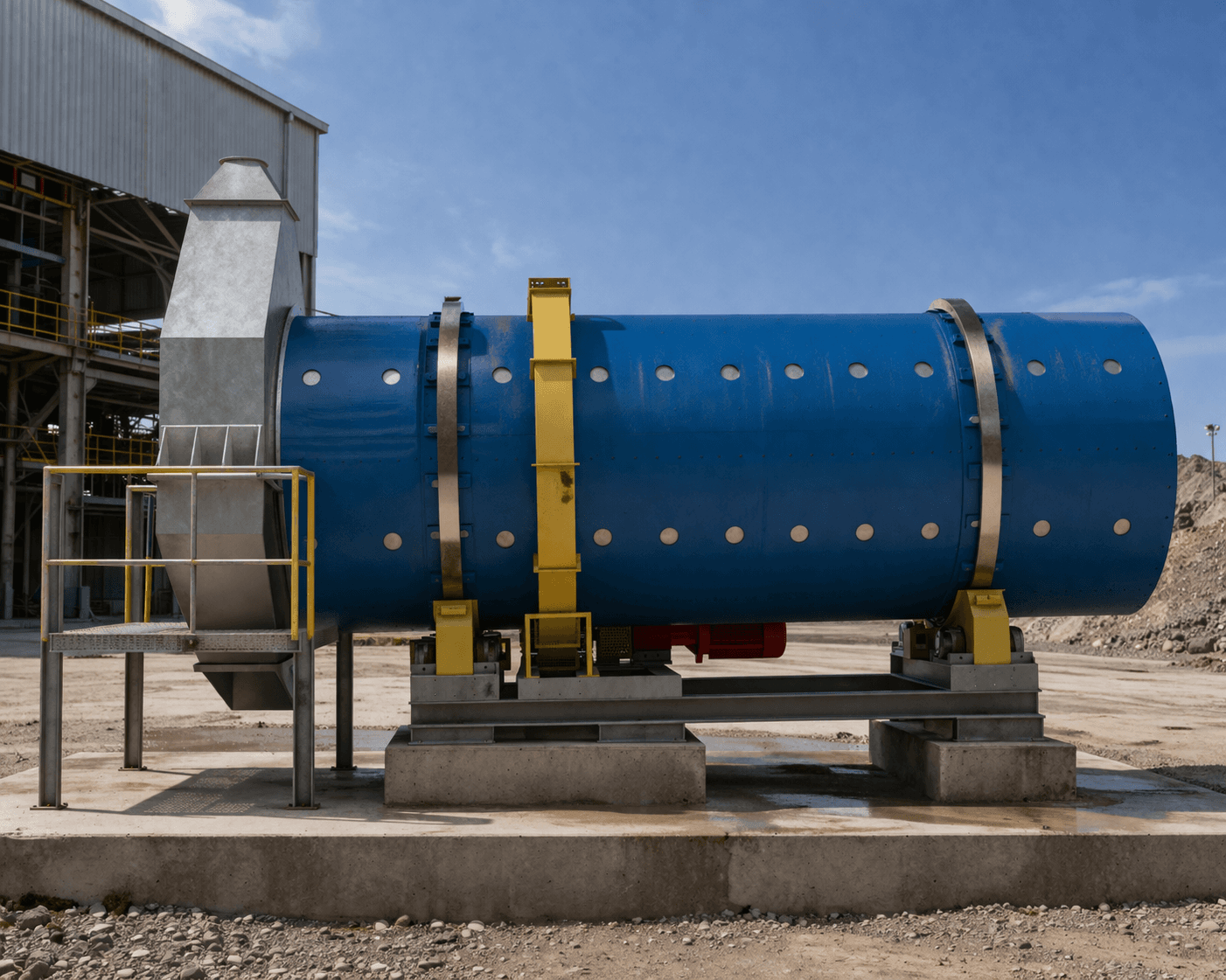
Drum where the mixture is formed into granules with moisture or binder.
View MachineRotary Dryer
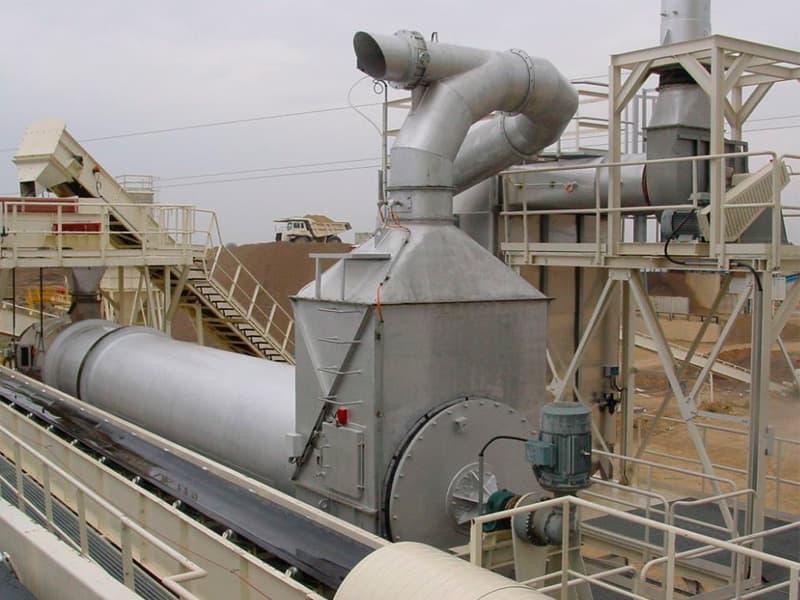
Drum where granules are dried to target moisture at a temperature that protects organic matter.
View MachineRotary Cooler
Cooling hot granules from the dryer before screening and storage.
View MachineVibrating Screen
Screen that separates product, oversize and undersize fractions.
View MachineFrequently Asked Questions About Granular Organomineral Fertilizer Plants
Which organic bases are used in granular organomineral fertilizer?
Mature compost, leonardite, processed animal manure and similar organic sources can be used. The choice depends on registration requirements and raw material continuity.
Is organic matter damaged during drying?
High product temperature can affect organic matter. Drying gas and product outlet temperatures are therefore limited according to the recipe.
Why is the recycle ratio important?
Undersize and crushed oversize return to the granulator; this load is added to dryer, elevator and screen capacity and changes the line sizing.
How can granule hardness be increased?
Granule strength is improved by adjusting binder selection, granulation moisture, drying profile and the organic-mineral ratio together.
Can a powder organomineral line later be converted to granular?
Granulator, dryer, cooler and screening equipment can be added while keeping existing weighing, mixing and packaging equipment; the layout is defined by a site survey.
Quotation & Technical Consultation
Request a quote for your granular organomineral fertilizer plant
Share your organic base, mineral raw materials and hourly capacity target, and we will size the granulation and drying line together.