Organic Liquid Fertilizer Production Plant
We build lines that turn plant and animal-based organic raw materials into liquid fertilizer without particle or sediment problems.
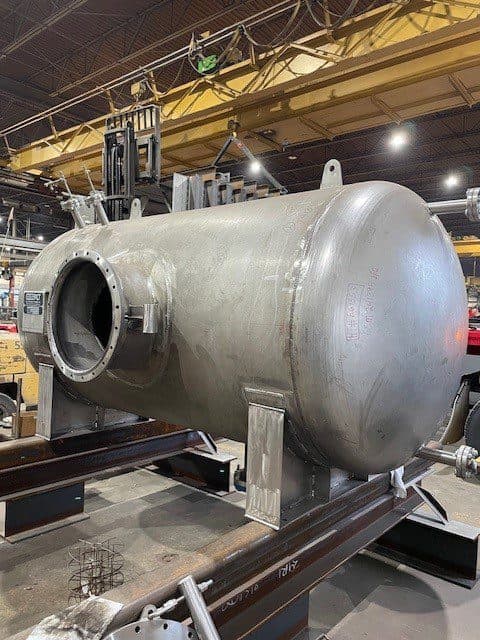
From Organic Raw Material to a Fillable Liquid Product
Raw materials for organic liquid fertilizers can be leonardite-based humic extracts, vinasse, plant extracts or hydrolyzed organic sources. Because these materials can contain a lot of fiber, sand and insoluble particles, pre-separation and screening are more decisive than in mineral fertilizer lines.
Particle size is kept under control so that the product does not clog drip irrigation and spraying equipment in the field. Due to the organic content, foaming, viscosity changes and microbial spoilage in storage are also considered in the process and storage design.
For products intended for organic farming, input eligibility and certification requirements are the producer's responsibility; on the plant side, raw material segregation, cleanable surfaces and batch traceability are planned to make compliance easier.
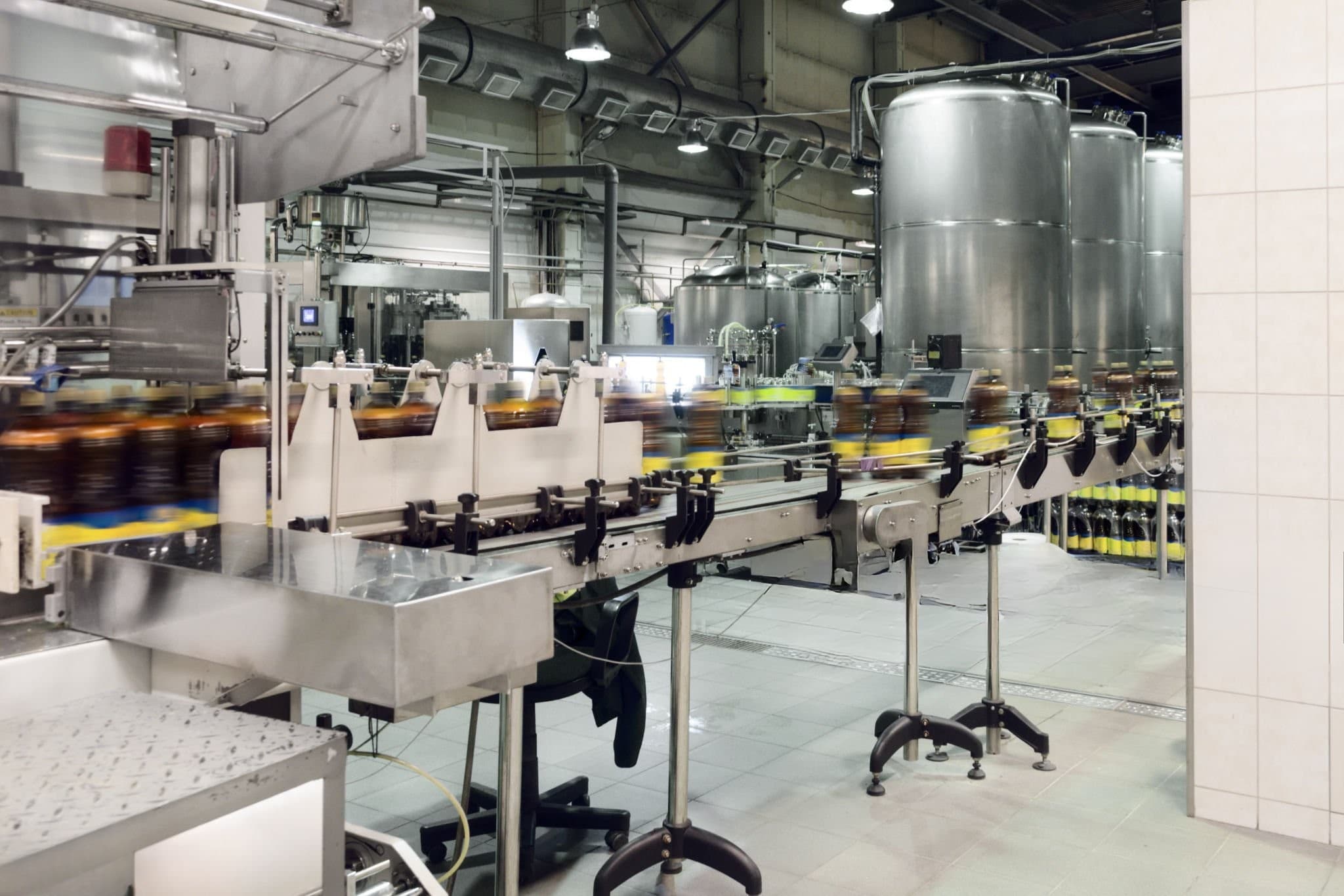
Organic Liquid Fertilizer Production Flow
The focus of the flow is the reliable removal of particles and sediment from the organic raw material before filling.
Step 1
Raw material intake
The source, solids content and foreign matter of the organic raw material are checked.
Step 2
Pre-screening
Fibers, sand and coarse particles are removed by a screen before entering the process tank.
Step 3
Extraction and dissolving
The organic component is dissolved or extracted in water or a suitable medium.
Step 4
Mixing and standardization
The product is homogenized in the reactor; organic matter and pH are adjusted to target.
Step 5
Final screening and settling
Remaining fine particles are removed and the product is left to settle for sediment control.
Step 6
Storage and filling
The approved product is transferred from the storage tank to the jerrycan and bottle filling line.
Equipment Used in an Organic Liquid Fertilizer Line
Wet Screen
Screen that separates fibers and coarse particles from the organic raw material liquid.
View MachineDissolution Tank
Tank where the organic component is dissolved or extracted in water.
View MachineAgitated Reactor
Agitated reactor where the product is homogenized and pH is adjusted.
View MachineStorage Tank
Tank where the settled and approved product is stored before filling.
View MachineLiquid Filling & Bottling
Filling organic liquid fertilizer into bottles and jerrycans.
View MachineBottle Labeling Machine
Labeling packages with content and batch information.
View MachineFrequently Asked Questions About Organic Liquid Fertilizer Plants
Which raw materials are organic liquid fertilizers made from?
Humic-fulvic extracts, vinasse, plant extracts and hydrolyzed organic sources are commonly used. The choice depends on product registration and target content.
How is sediment prevented in organic liquid fertilizer?
Insoluble particles are removed through pre-screening, final screening and settling. Recipe stability is verified by storage trials.
Can the product spoil in storage?
Microbial activity can occur in products with organic content. Storage time, tank hygiene and recipe preservation should be evaluated together.
Is the plant built differently for certified organic products?
Certification concerns the inputs; on the plant side, raw material segregation, cleanable equipment and batch traceability make compliance easier.
Can organic products be made on an existing mineral liquid fertilizer line?
Yes, if screening capacity, agitator type and cleanability are sufficient; the risk of cross-contamination during changeovers is evaluated separately.
Quotation & Technical Consultation
Request a quote for your organic liquid fertilizer plant
Share your organic raw material, target product content and packaging type, and we will define screening, mixing and filling capacity together.